

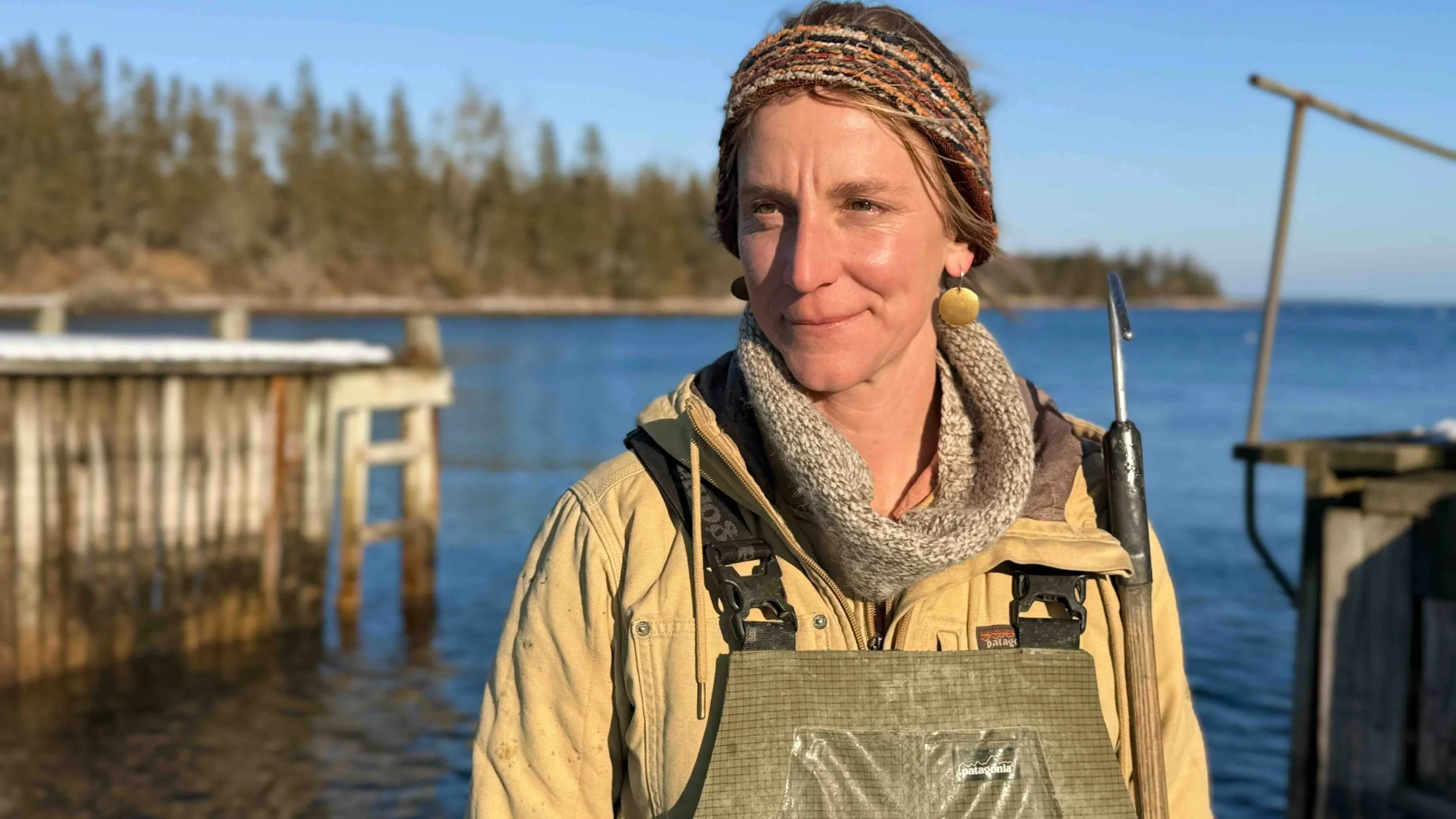
Abby Barrows
Marine Scientist | Microplastics Researcher
Owner/Operator, Deer Isle Oyster Company
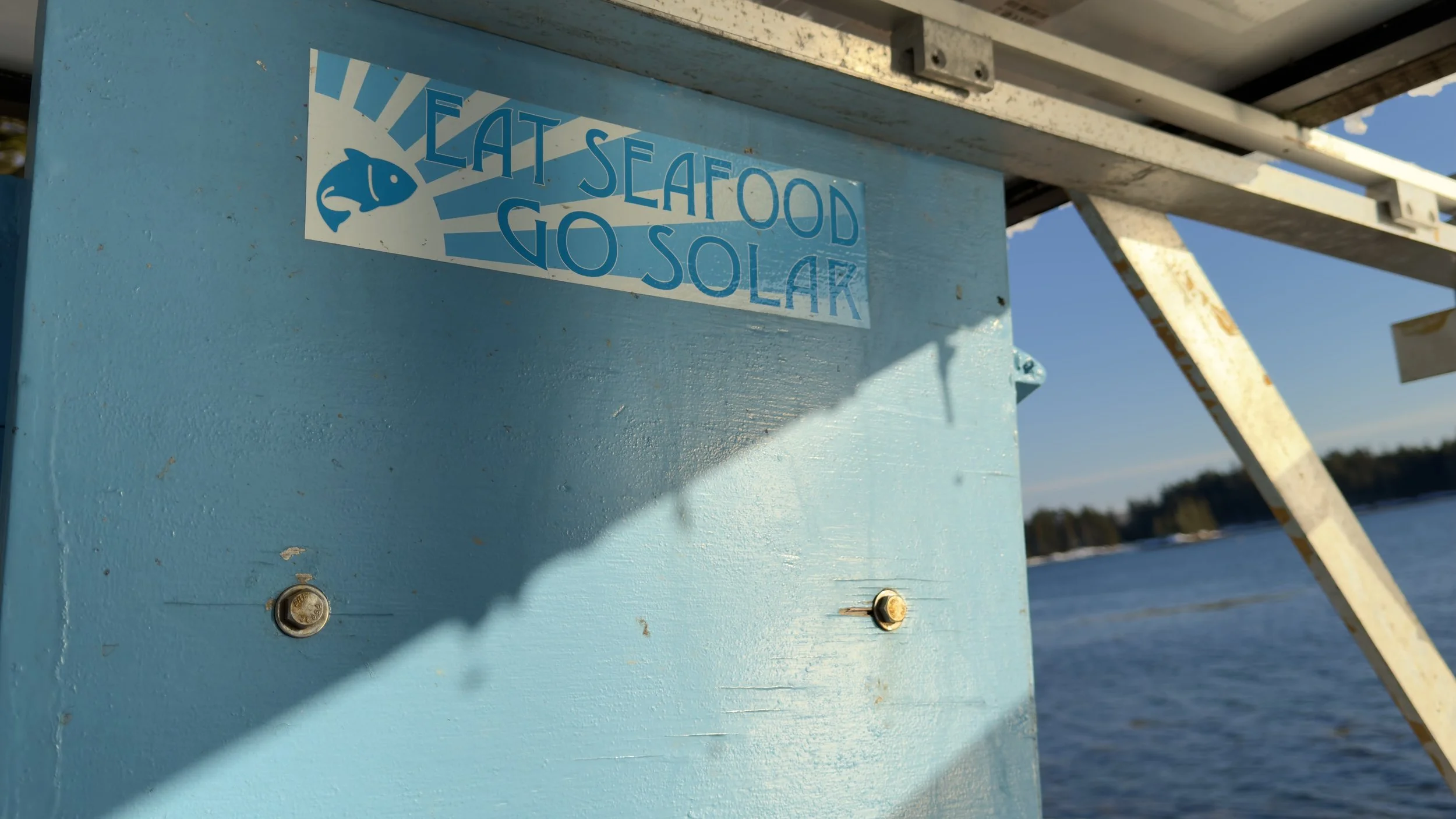
“I hope to build, from the moorings up, the first fully plastic-free commercial oyster and seaweed farm. And we aren’t stopping there, we are also redesigning how we power and move both on and off the water. Solar, electric, natural materials and metal-based systems, so that every aspect of our operation lends itself to stewardship.”
Focus Areas:
Collective action as a component of change; women in traditionally male-dominated fields; women-led solutions to shared global problems; networks; policy impact
Fieldwork Approach:
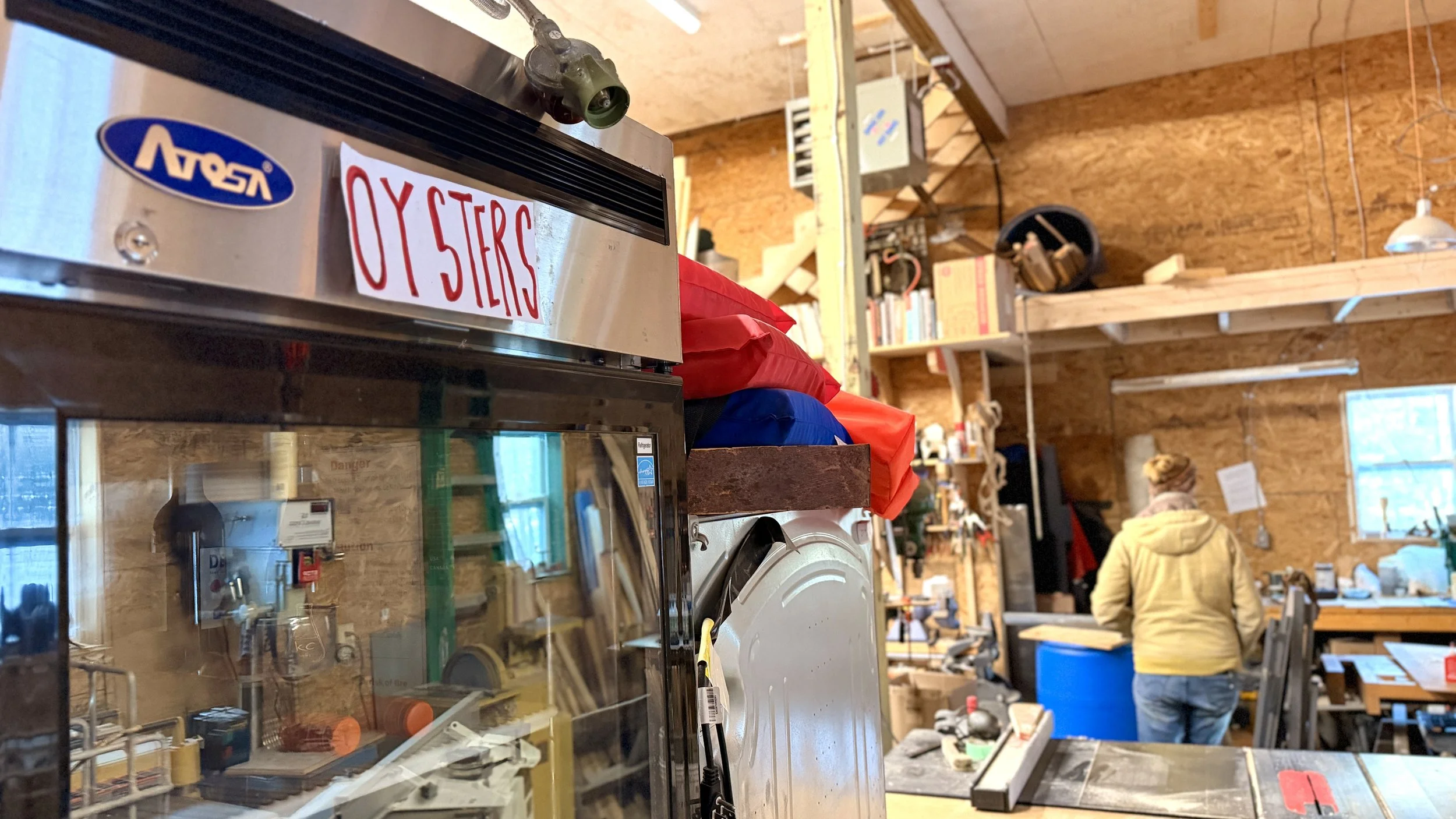
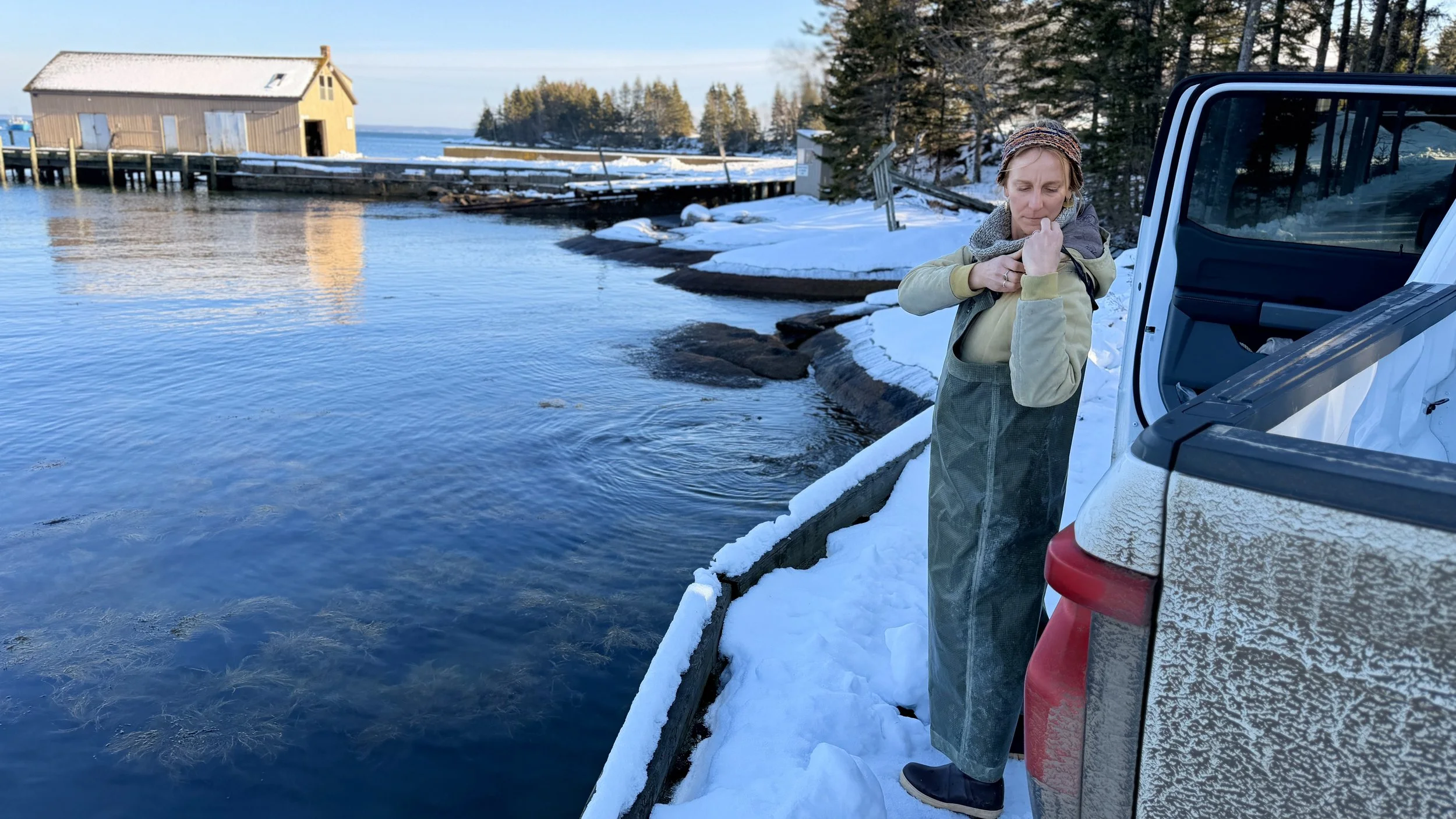
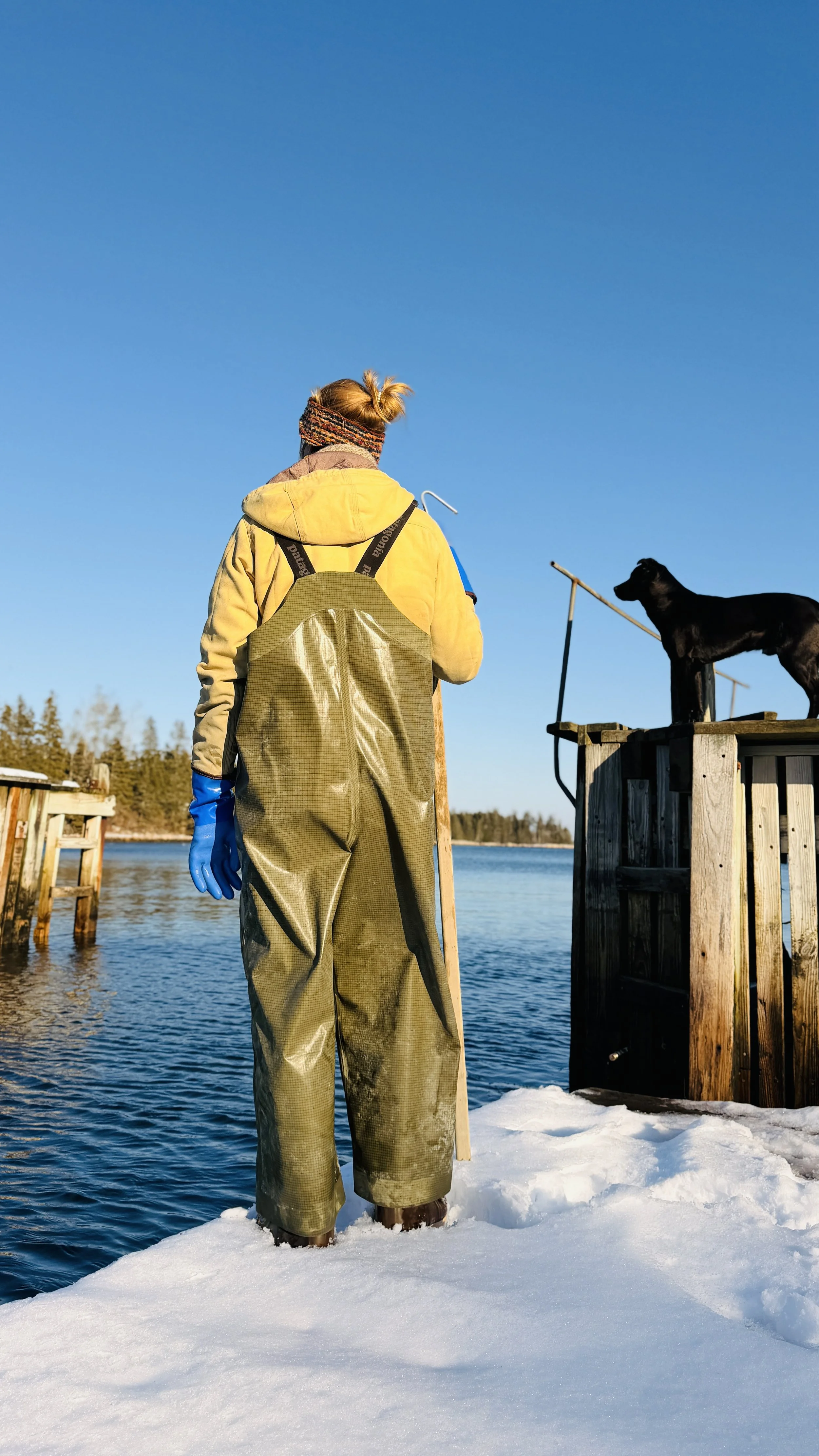
Formal interviews with Abby Barrows in her home and workshop; on-site observation of water-based farm operations, experiments, and collaborations; guided community tour; attendance at Island Women Speaks — a community event at the Stonington Opera House featuring narratives from island women; cross-site contextualization; policy-oriented documentation; photo and video documentation
Ethical Approach:
Fieldwork guided by a trauma-informed, care-based, non-extractive ethic emphasizing consent, collective structures, and community benefit
Location \ Sites Visited:
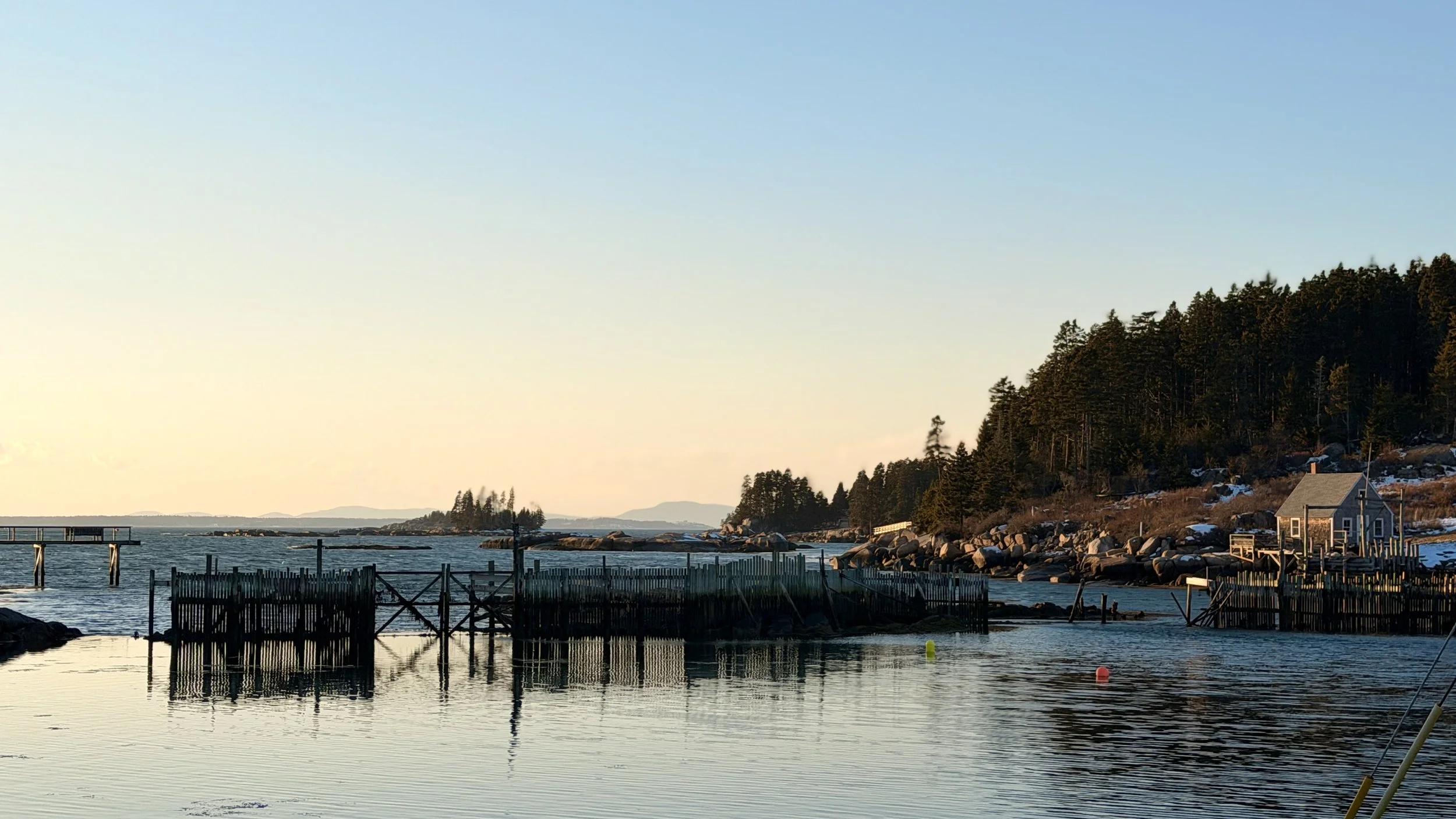
Stonington and Deer Isle, ME, USA
Abby’s Home | Abby’s Workshop | Pound in Sunshine | Long Cove Sea Farm
Stonington Opera House | Various Outdoor Areas
Fieldwork Status:
Fieldwork Complete/ January 21-24, 2026
System(s):
Trades & Workforce
Key Organizations / People:
Abigail Barrows
OVERVIEW
As part of a broader focus on women in aquaculture in Maine, I began my field research with Abigail Barrows. Abby, local to Deer Isle, ME, focused her undergraduate work on marine research, and after witnessing the extent of contamination in our global waters, she focused her graduate work on microplastics.
Early in her research process, she approached Adventure Scientists and proposed working together to collect more comprehensive microplastics data. Together they launched a Citizen Science effort. Abby served as Principal Investigator for what became the Global Microplastics Initiative, which grew from a dozen researchers to roughly 2,000, producing the largest global dataset on microplastics across every ocean and continent. This work provided a rare, detailed view of contamination in remote and understudied ocean and freshwater systems.
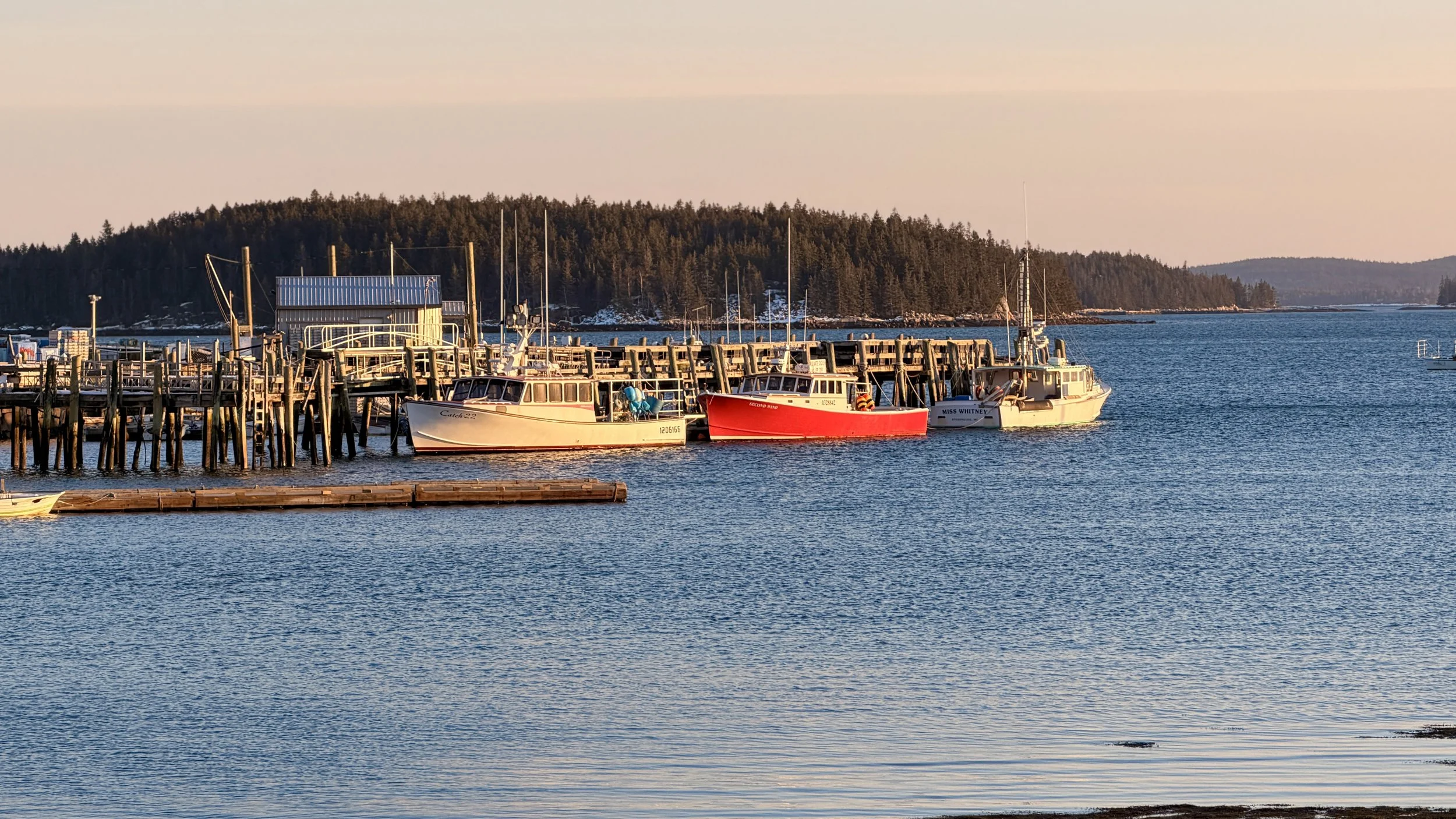
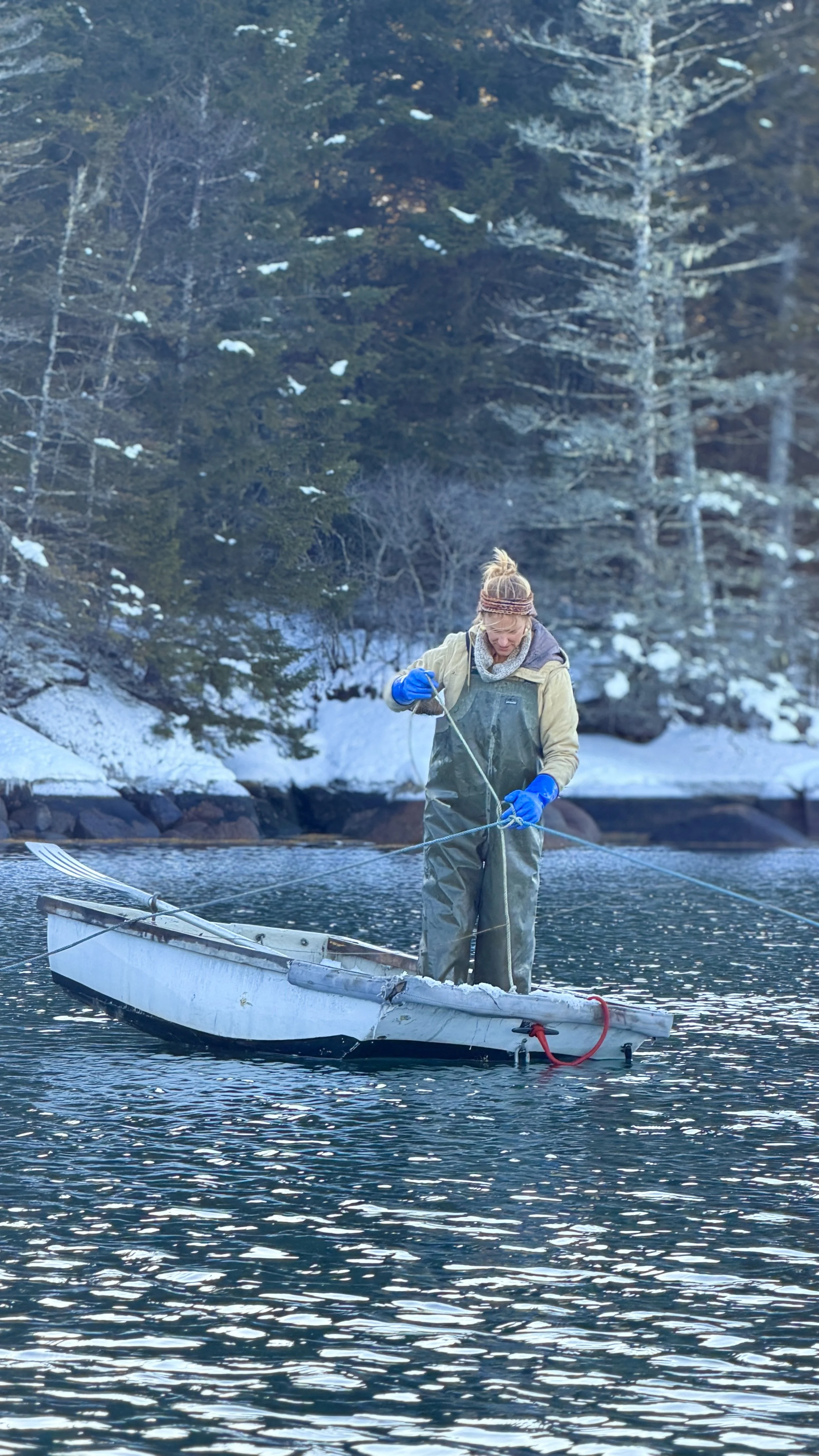
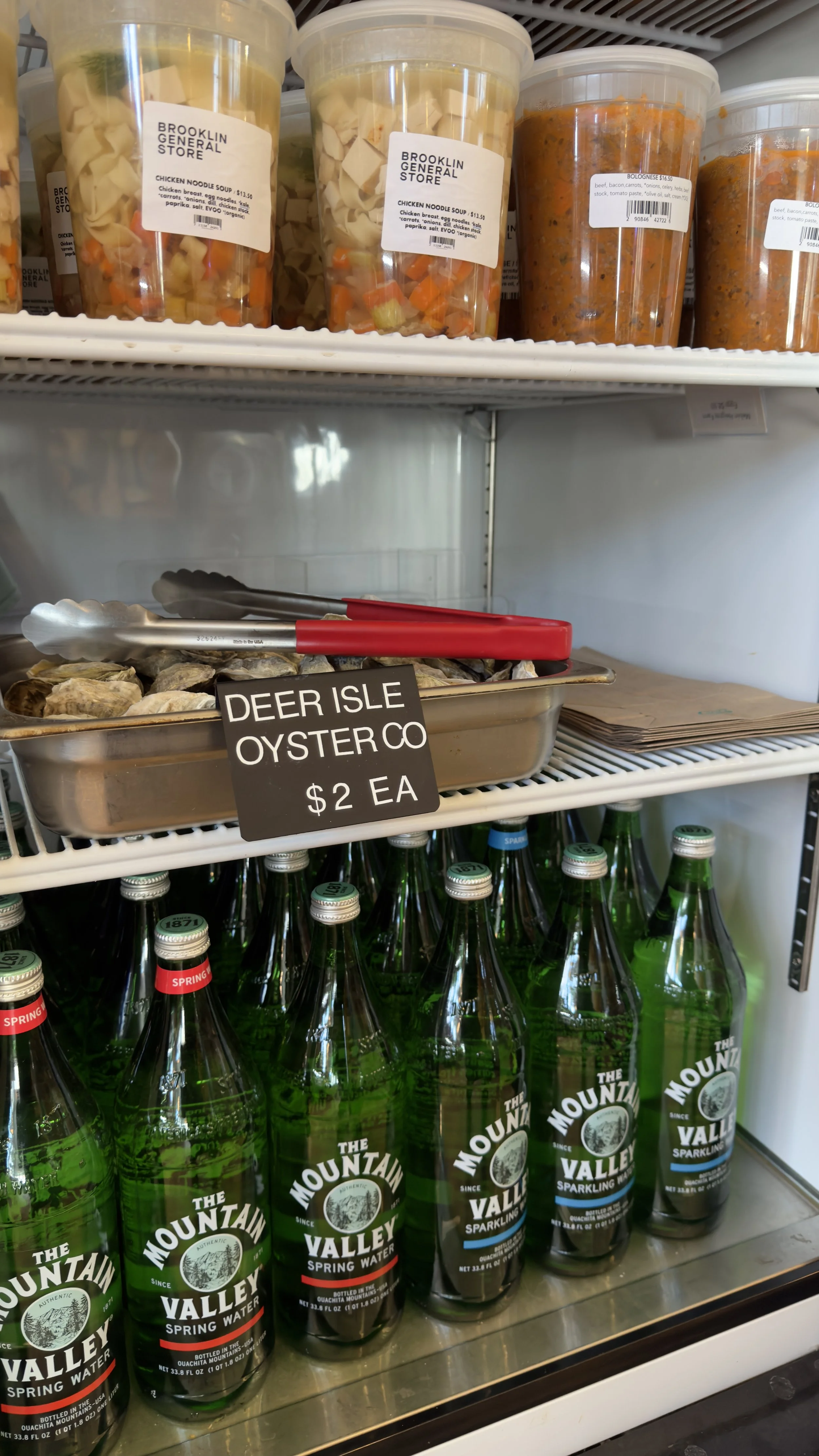
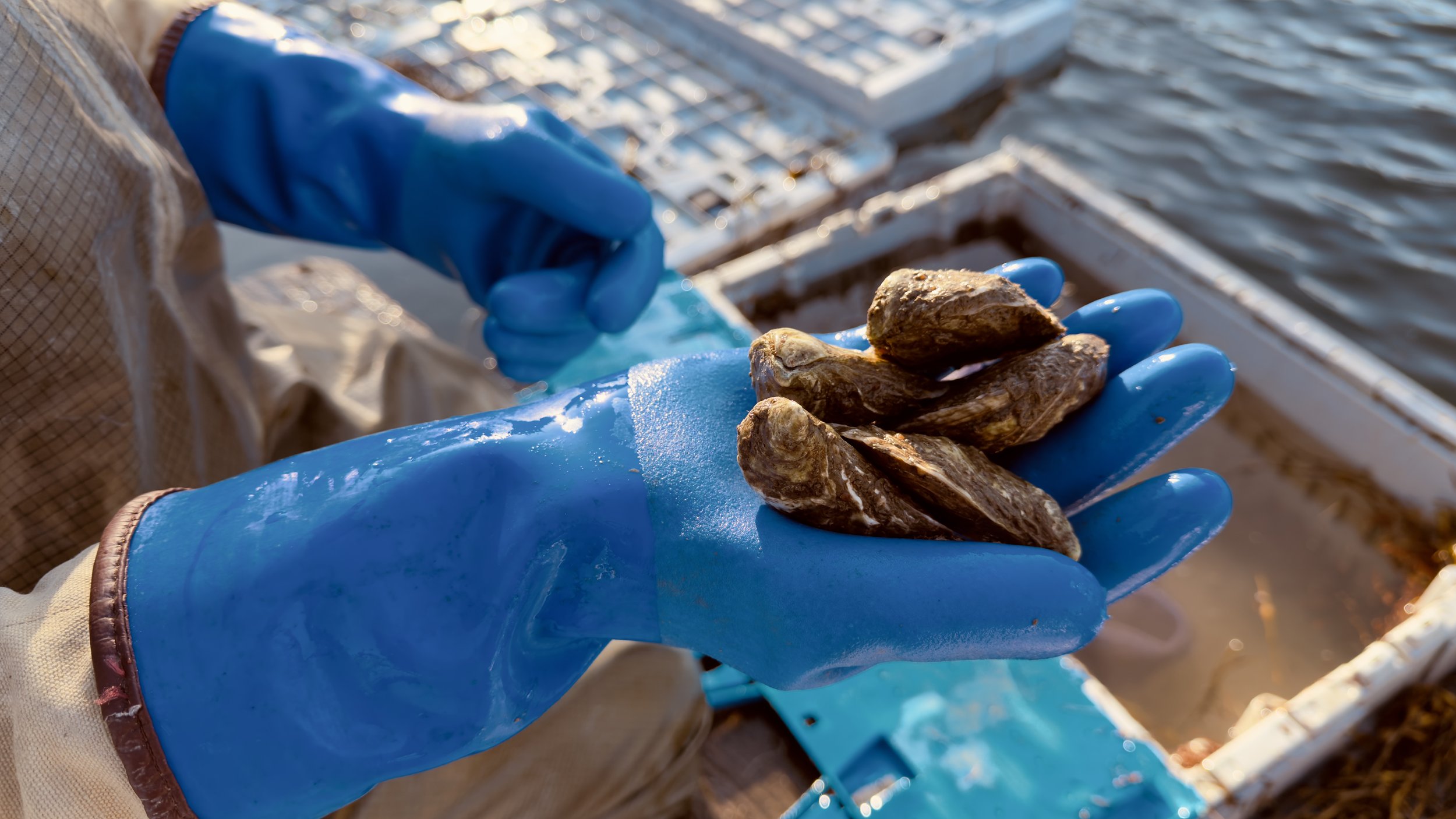
Returning to Maine, Abby launched Deer Isle Oyster Company with support from SCORE, women-based loans, and private funding. As owner/operator—a rare role for women in Maine—she manages a 20-year lease, directs all operations, and leverages her personal and professional brand to grow her business. I spent four days in Abby’s area, including two days with her to conduct interviews and visit her home, workshop, and aquaculture sites and to observe her operations, experiments, and collaborations firsthand.
Abby continues to be concerned about the reliance on plastic in aquaculture, so she is developing alternatives to plastic gear and close to launching the first plastic-free oyster and seaweed farm in the world. Her work now includes testing solar and other environmentally conscious options to reduce operational impacts.
Beyond her farm, Abby’s research informs policy work, and her engagement in networks and professional associations drives education, mentorship, and systemic change. She continues to mentor emerging female researchers while advocating for healthier waters, sustainable food systems, and improved practices across the aquaculture industry.
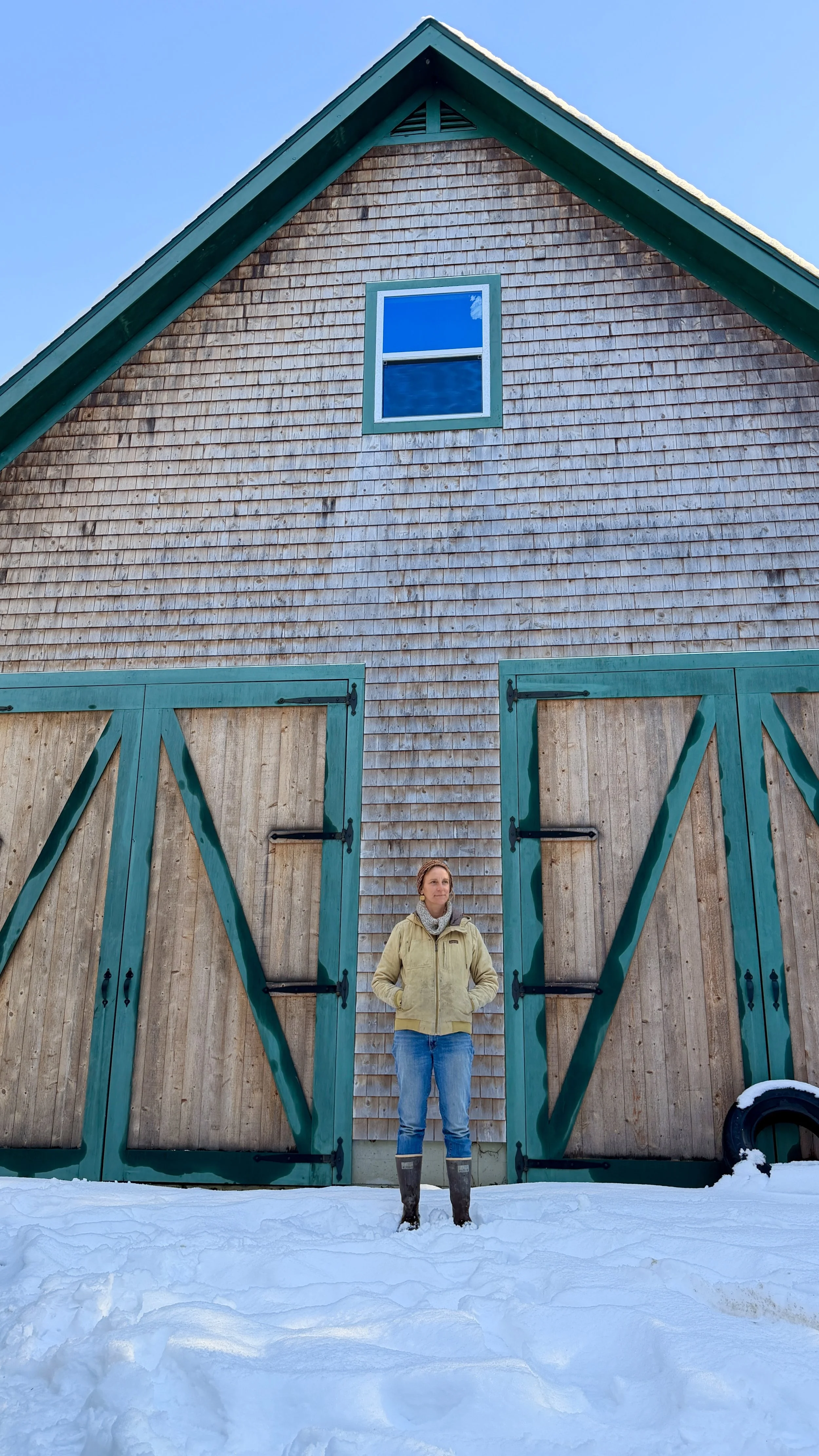
“My vision is to push the boundaries of what it means to run a business in the ocean, to innovate without compromise, and to design with the ocean in mind. As a farmer, a scientist, a mother, and a citizen, I refuse to accept that the ocean must pay the price for our lack of imagination. The oyster doesn’t wait for someone else to clean up the water. It just gets to work. It’s time we did the same. ”
Key Insights:
Collective Action: Abby’s research and aquaculture work are fundamentally collaborative. Citizen science initiatives have produced the largest global dataset on plastic contamination in remote oceans and freshwater systems, providing critical support for her independent research. She leveraged resources from SCORE and women-based loans to purchase Deer Isle Oyster Company, while private funding covered remaining start-up needs. Despite the challenges of operating from a remote location, Abby actively participates in networks to mentor and support women entering aquaculture. Her collaborations are both practical and experimental: testing myco buoys with mycologist Sue Van Hook at Long Cove Sea Farm, and partnering with PROWL Studio, a woman-owned firm in California, to explore safer coating options. More broadly, women in aquaculture and hospitality are creating mutual support networks through cross-marketing and shared business initiatives.
Scale: Abby’s role as owner-operator allows her to make decisions aligned with her values and fully leverage her expertise and personal brand, creating opportunities for income generation unavailable to women in more administrative or production-focused roles. Greater earnings have enabled her to acquire additional acreage and expand Deer Isle Oyster Company, increasing both production capacity and reach. While her field remains pioneering and remote, she is scaling impact through mentorship, training, and participation in professional associations, gradually building a wider community of women researchers in aquaculture.
Systemic Impact: Abby’s work extends beyond the immediate farm. Designing and testing plastic-free gear addresses environmental harm directly, while also creating new opportunities for labor and workforce development in marine industries. Her business expansion preserves a working waterfront in Maine and provides local employment, while partnerships with other women-led businesses strengthen collective capacity within aquaculture. Media coverage amplifies the visibility of women in the field, raises awareness of microplastics, and educates the public on sustainable practices. Abby’s citizen science data informs policy research and advocacy on marine health, working waterfronts, and healthier food systems. As a Board member of Haystack Mountain School of Crafts, she is also contributing to initiatives that merge arts, marine science, environmental education, and recycling of ghost gear into creative projects.
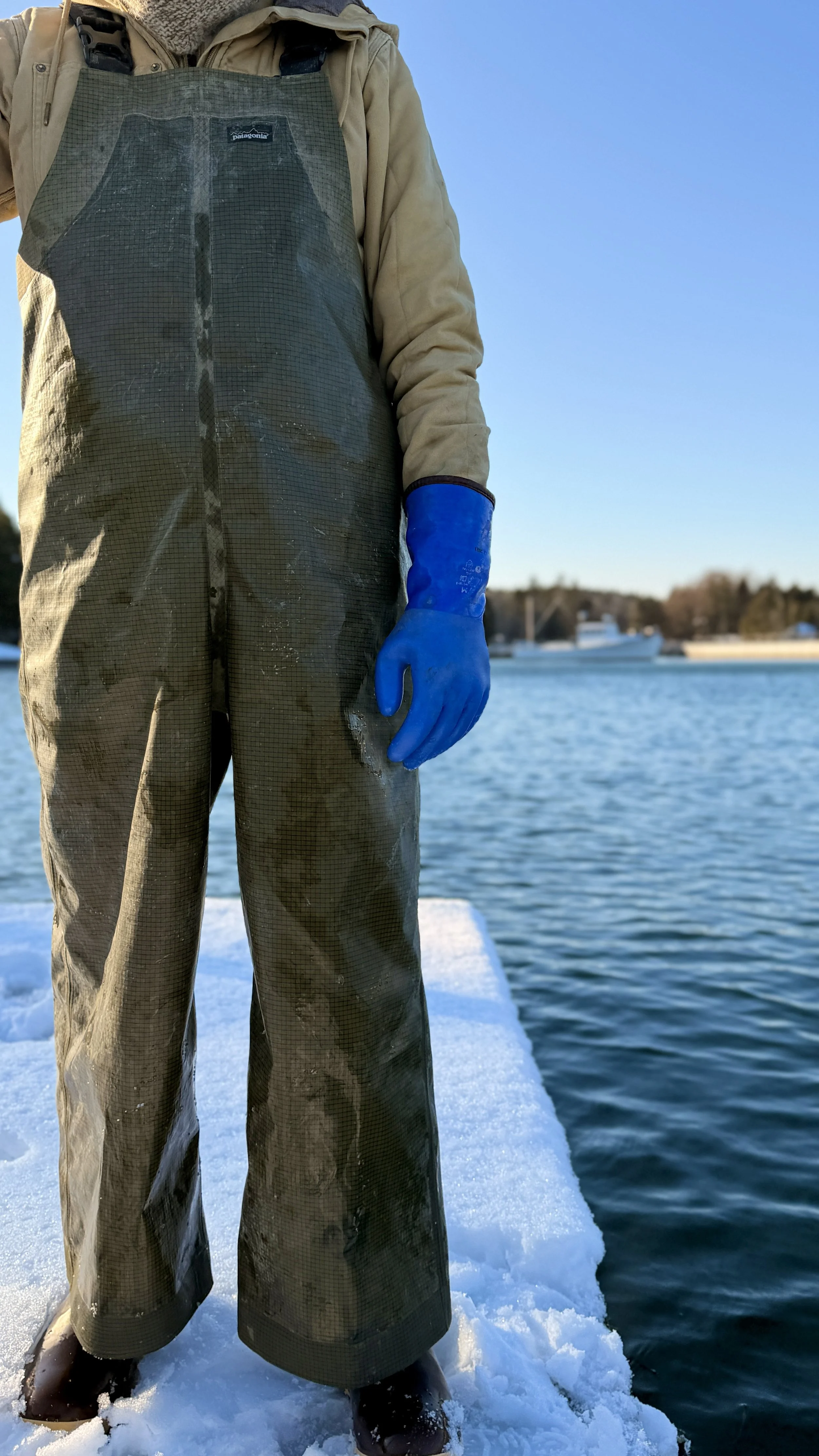
“The oyster doesn’t move. It adapts to the currents around it. It filters what’s harmful and makes the water a little clearer for everything else to live. It builds community—literally—by growing together to form reefs. To me, that’s what it means to live like an oyster; to stay rooted in community, to filter what’s toxic, and to make the way a little clearer for those who come after us.”
Abby Barrows, Tedx Talk: How to Live Like an Oyster
Next Steps:
Educate Yourself. Educate Your Community.