Awamaki
A women-led nonprofit social enterprise partnering with Indigenous artisan cooperatives in Peru's Sacred Valley through fair-trade textiles, sustainable tourism, and relationship-based capacity building.
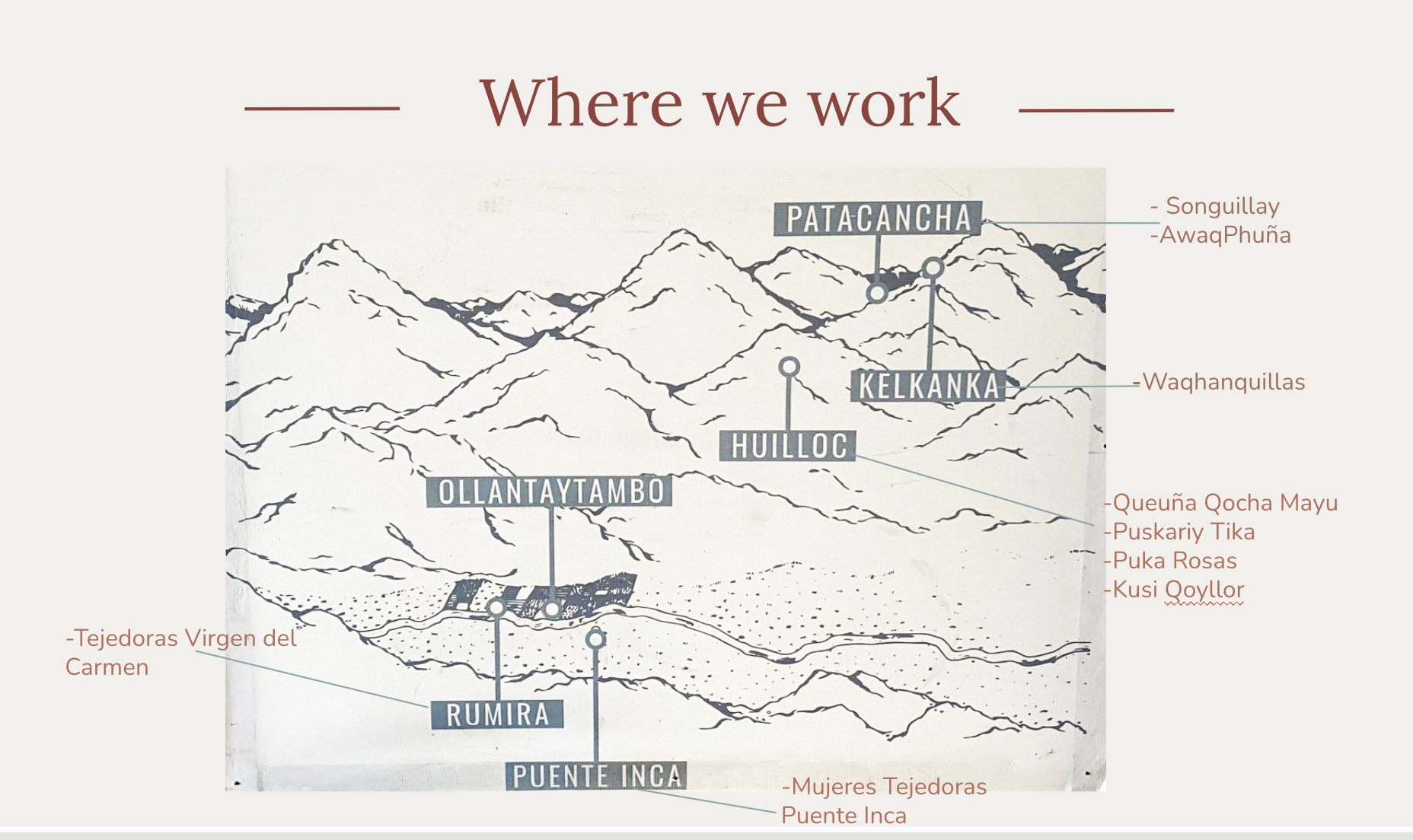
Location \ Sites Visited:
Cusco | Ollantaytambo | Urubamba | Huilloc | Patacancha | Rumira | Puente Inca | Awamaki Store | Awamaki Office | Awamaki Volunteer House |
Vidawasi Children's Hospital and Family Health Campus | Sacred Valley Health Office - Anyi Wasi
Fieldwork Status:
Fieldwork Complete / April 19 – May 8, 2026
Model:
Cooperative
Key Organizations / People:
Awamaki Staff, Volunteers, and Artisan Partners | Vidawasi Staff & Founder | Lida Del Alamo, Sacred Valley Health - Ayni Wasi
Focus Areas:
Indigenous artisan cooperatives | Sustainable tourism as women's economic infrastructure | Fair-trade textile production | Capacity building | Natural dye and textile traditions | Women's leadership development in remote Andean communities
Fieldwork Approach:
Extended residential immersion in the community; participant observation of staff operations and women's cooperative activities; formal and informal interviews with women participants and staff; observation of organizational data collection (bi-annual demographic surveys); overnight visits to field sites; network mapping through meetings with regional women's organizations; photo and video documentation; interview coding for cross-site comparative analysis
Ethical Approach:
Fieldwork guided by a trauma-informed, care-based, non-extractive ethic emphasizing consent, collective structures, and community benefit
**Community Contribution: Pro-bono development of the public-phase strategic plan for Awamaki's capital campaign
“Before, women would ask their husbands what they thought before answering a question. They would defer on everything.
Now they make their own decisions.
They have their own income.
If they want to go somewhere or do something, they just go. They don't feel they need to ask permission anymore.”
— Mercedes, Head of Artisan Cooperatives for the past 16 years
OVERVIEW
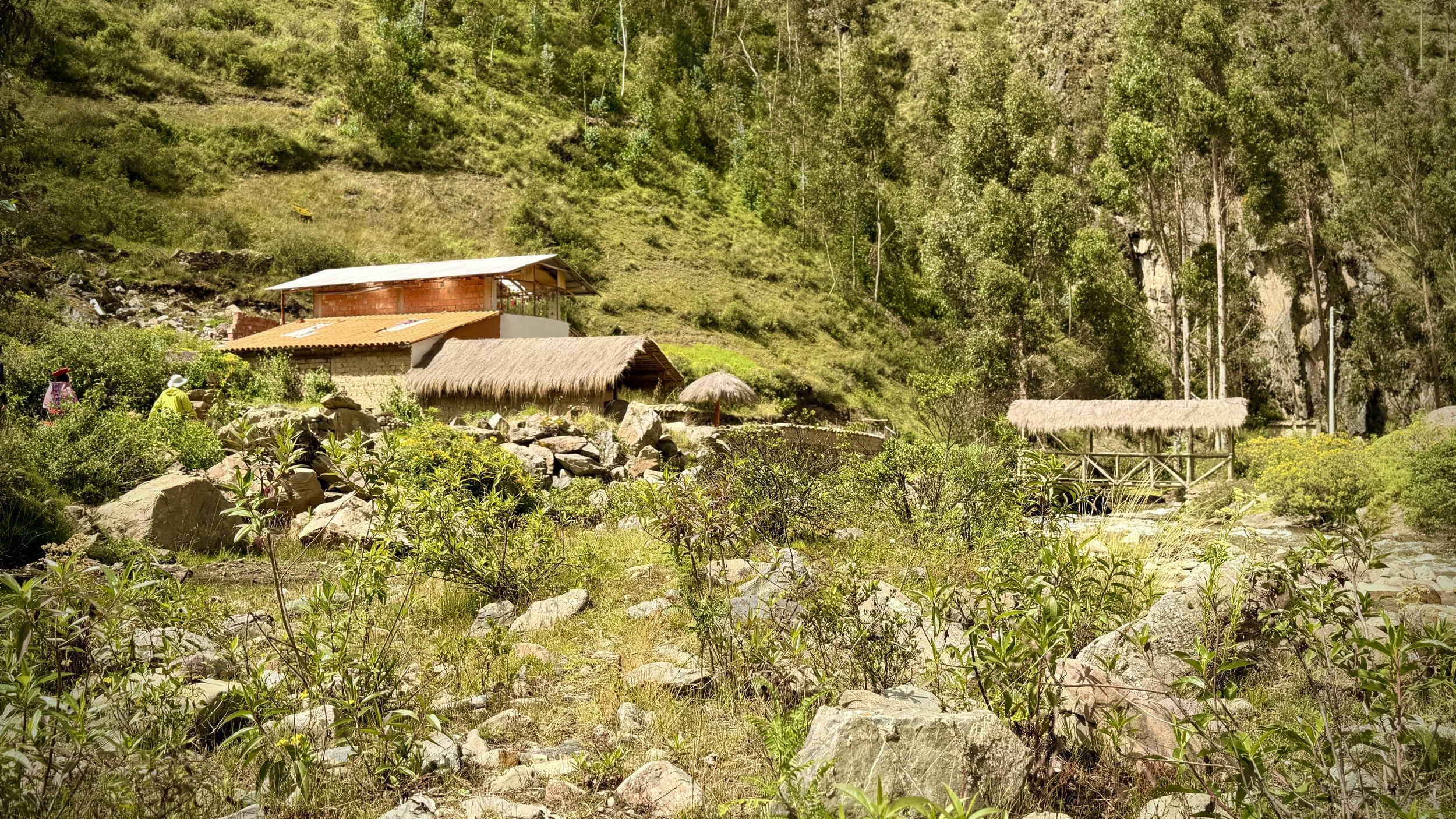
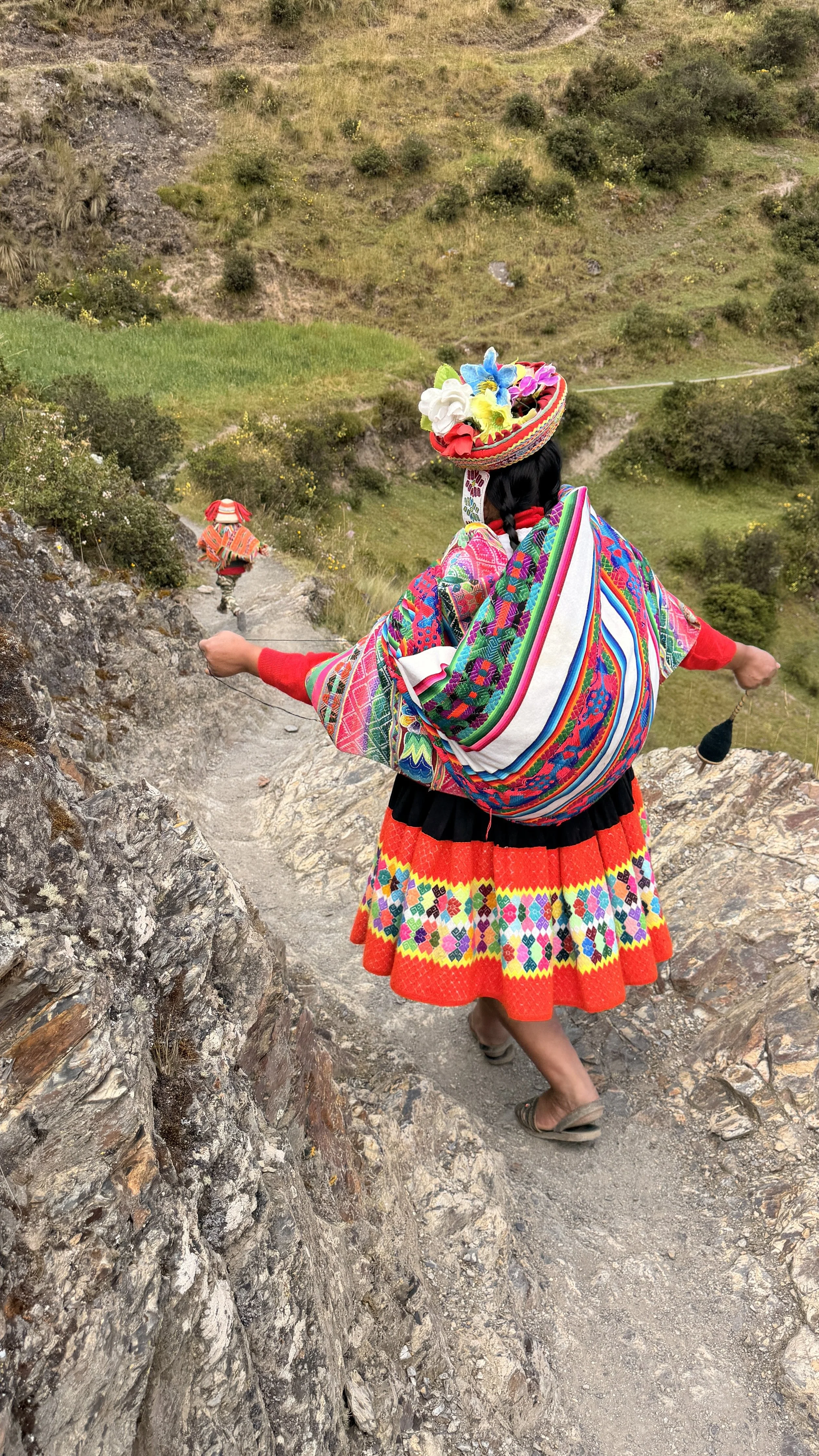
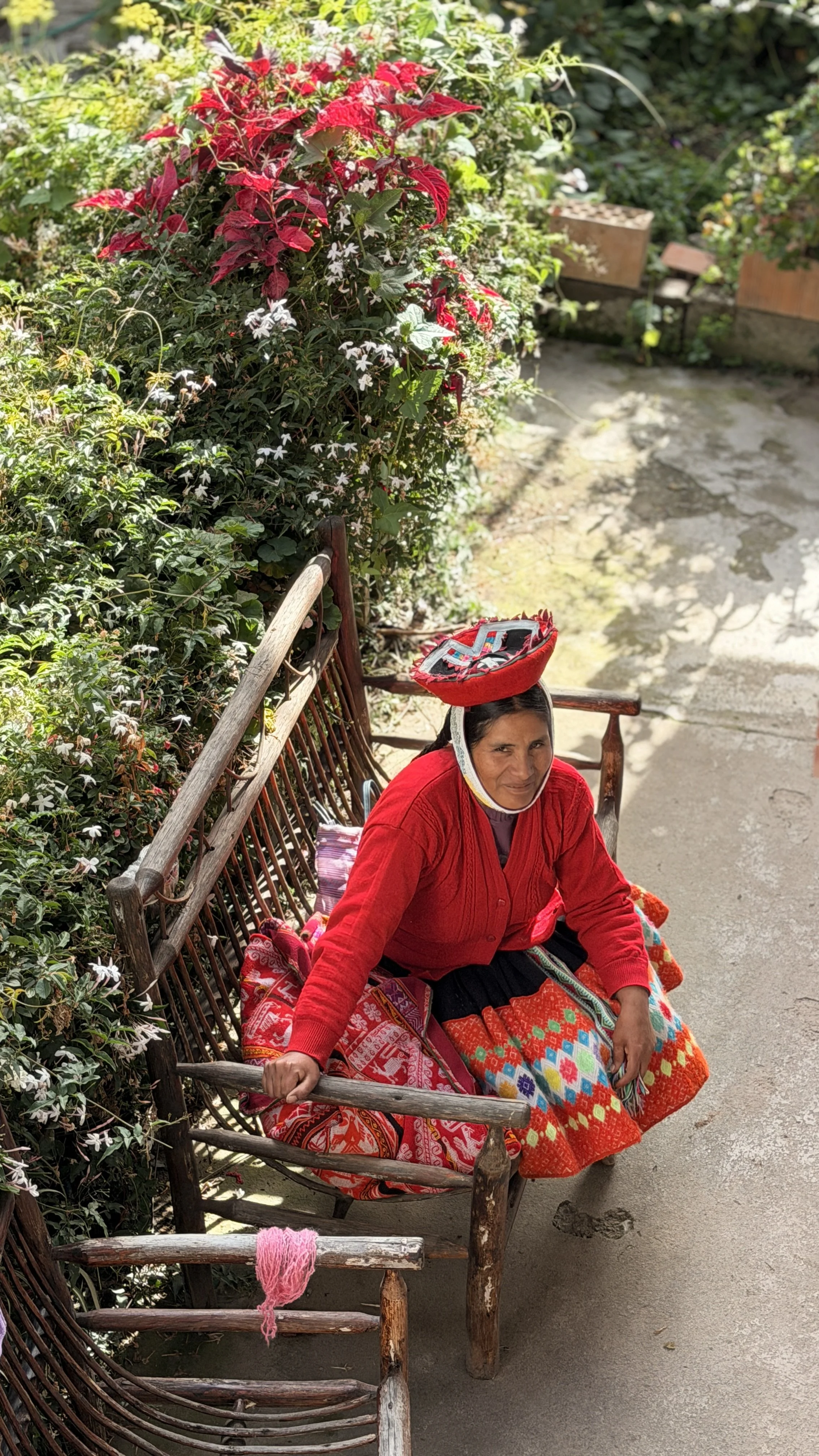
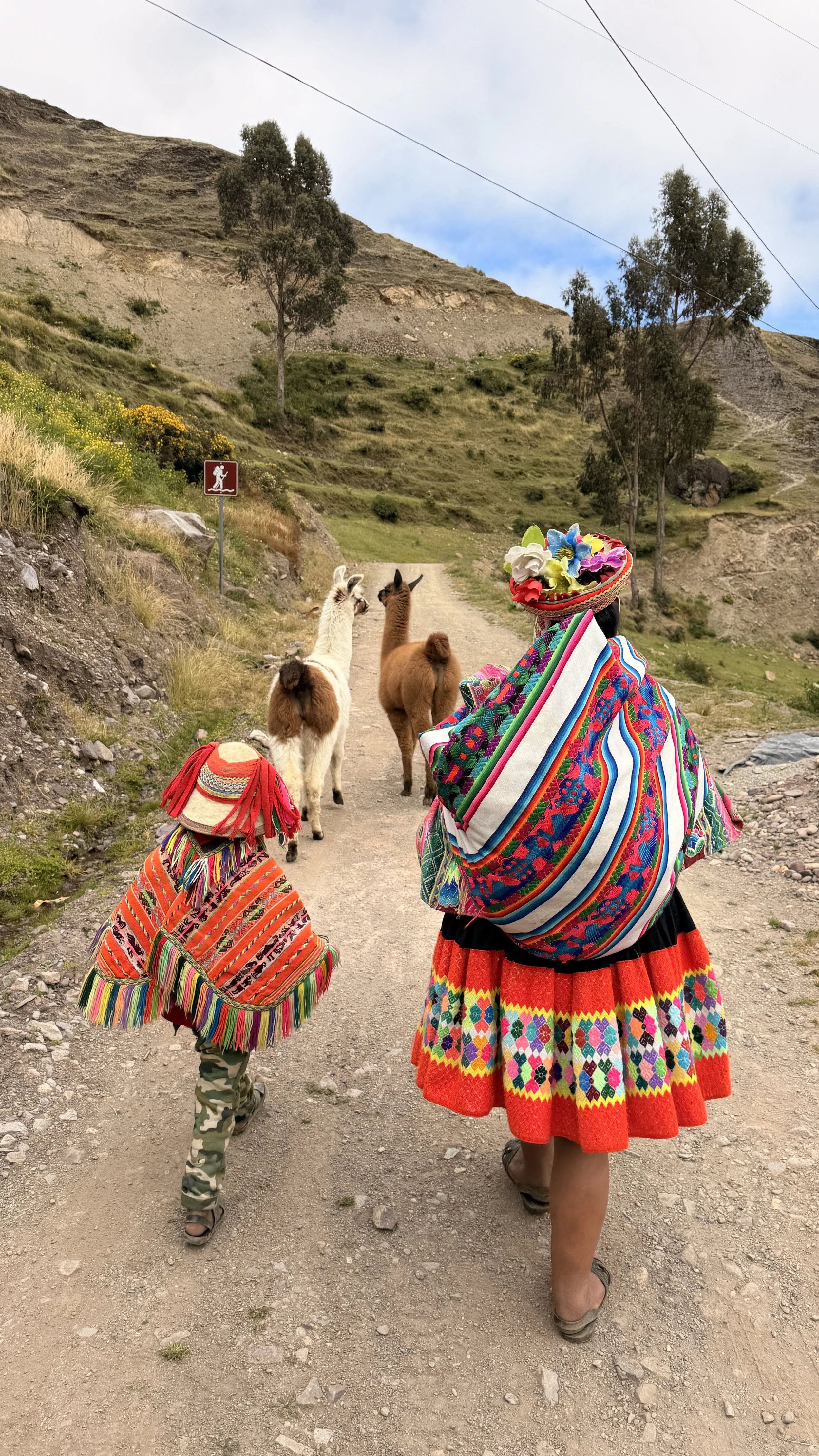
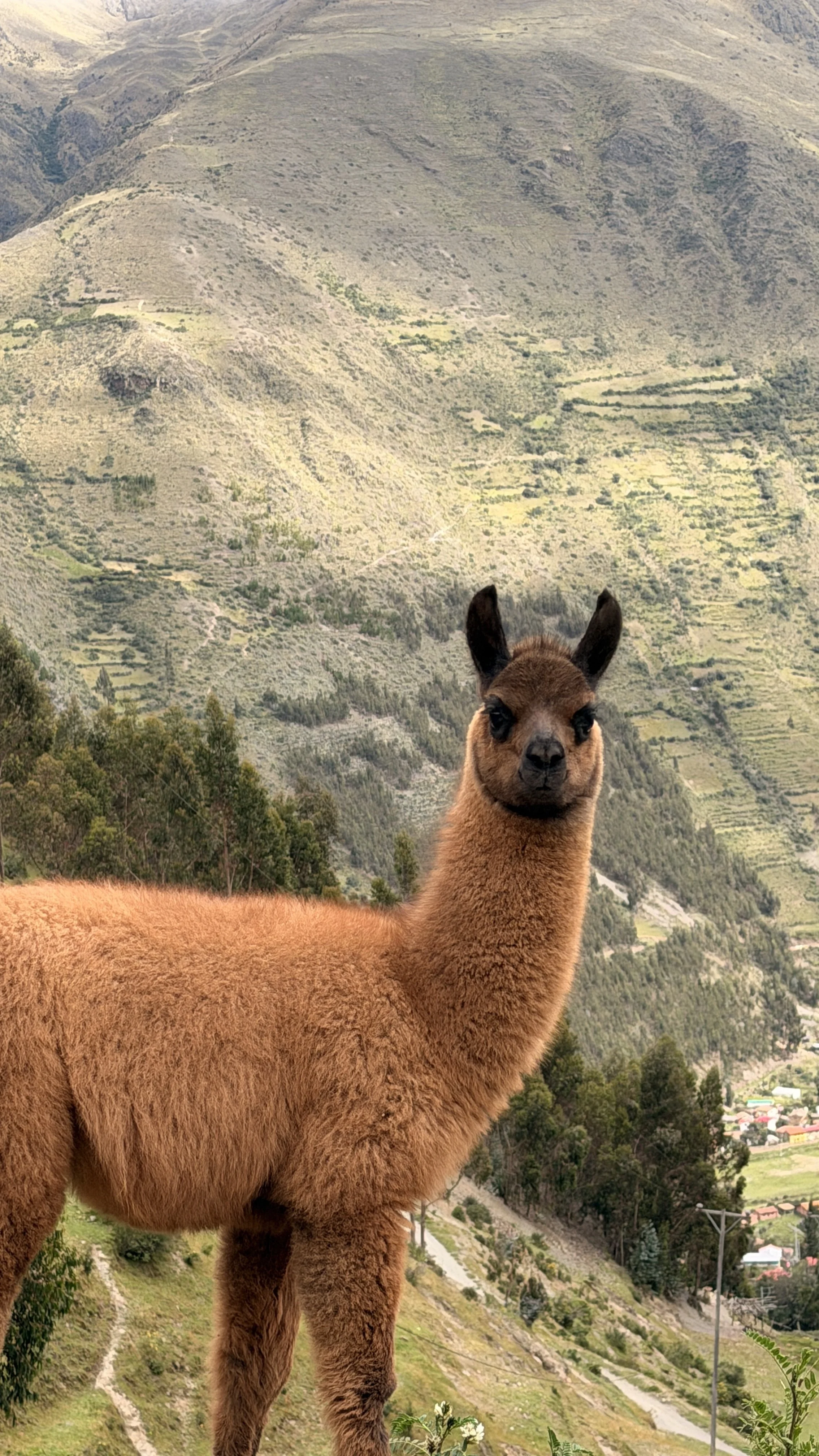
In Peru's Sacred Valley, the Andean highlands rise steeply above a major tourism corridor that draws hundreds of thousands of visitors each year. The men of these communities have historically captured most of the economic benefits of that industry — working as porters, guides, and drivers along the famous Inca Trail. The women, responsible for children, animals, crops, and the preservation of indigenous textile traditions, have largely been left out.
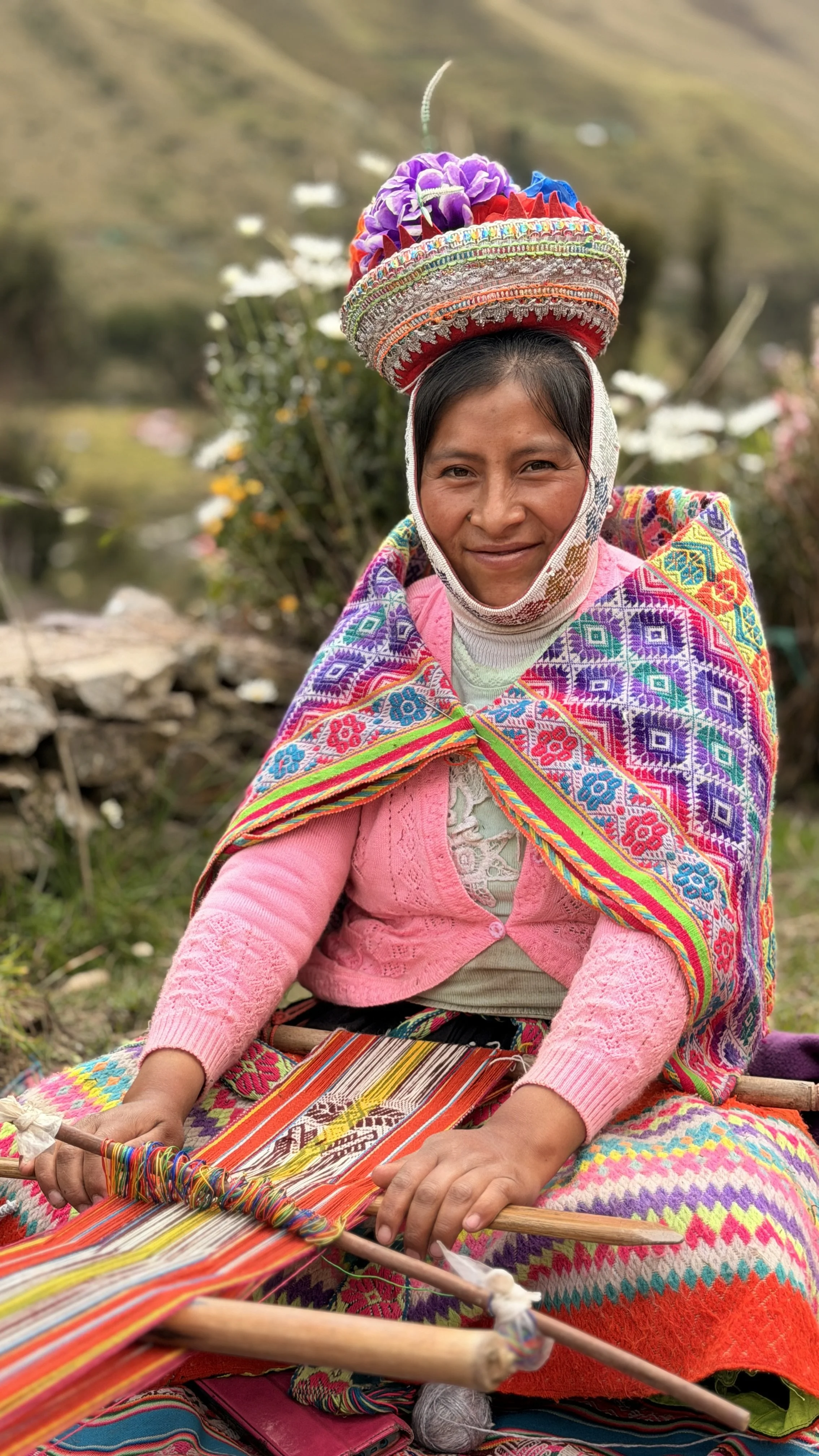
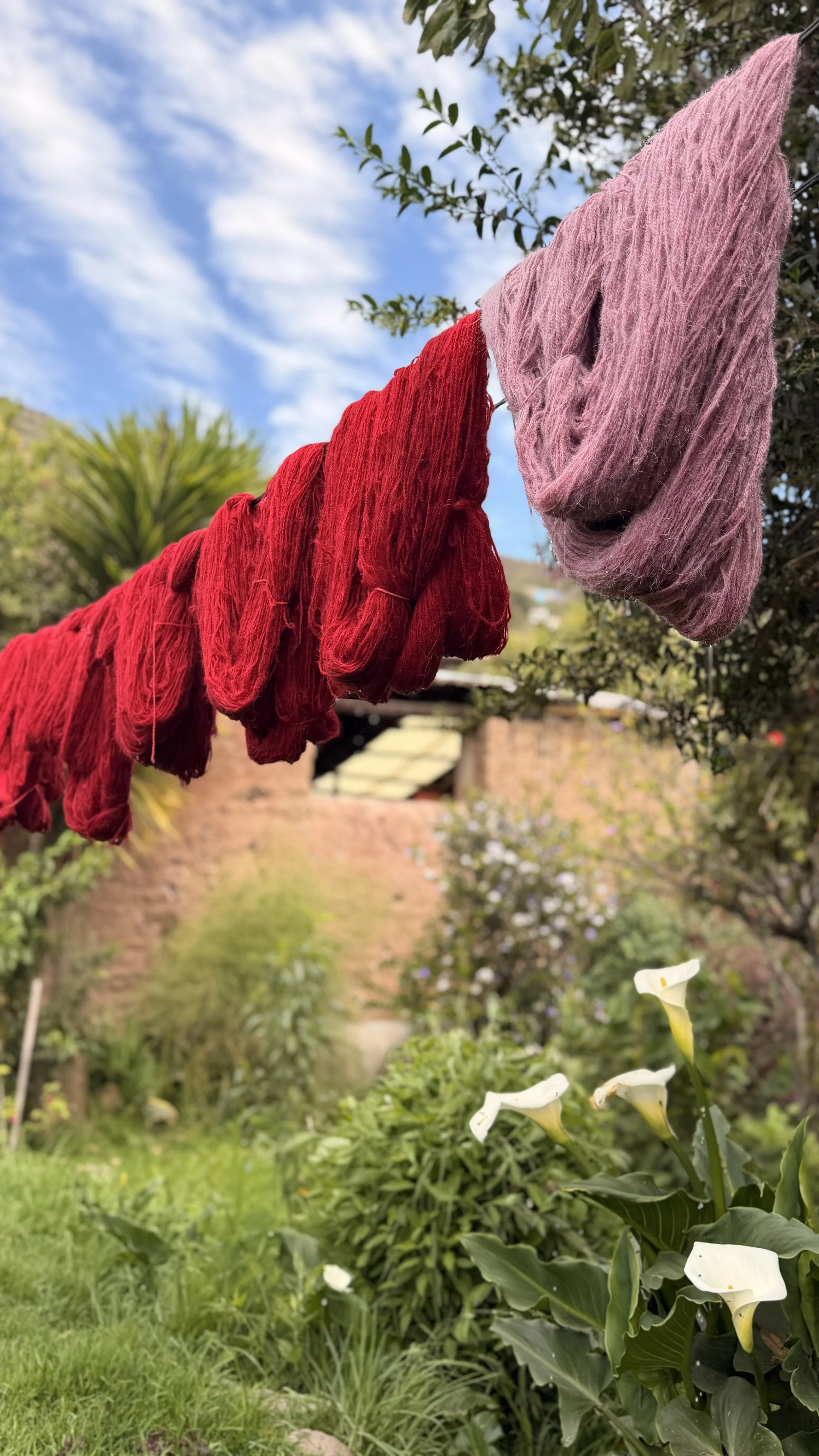
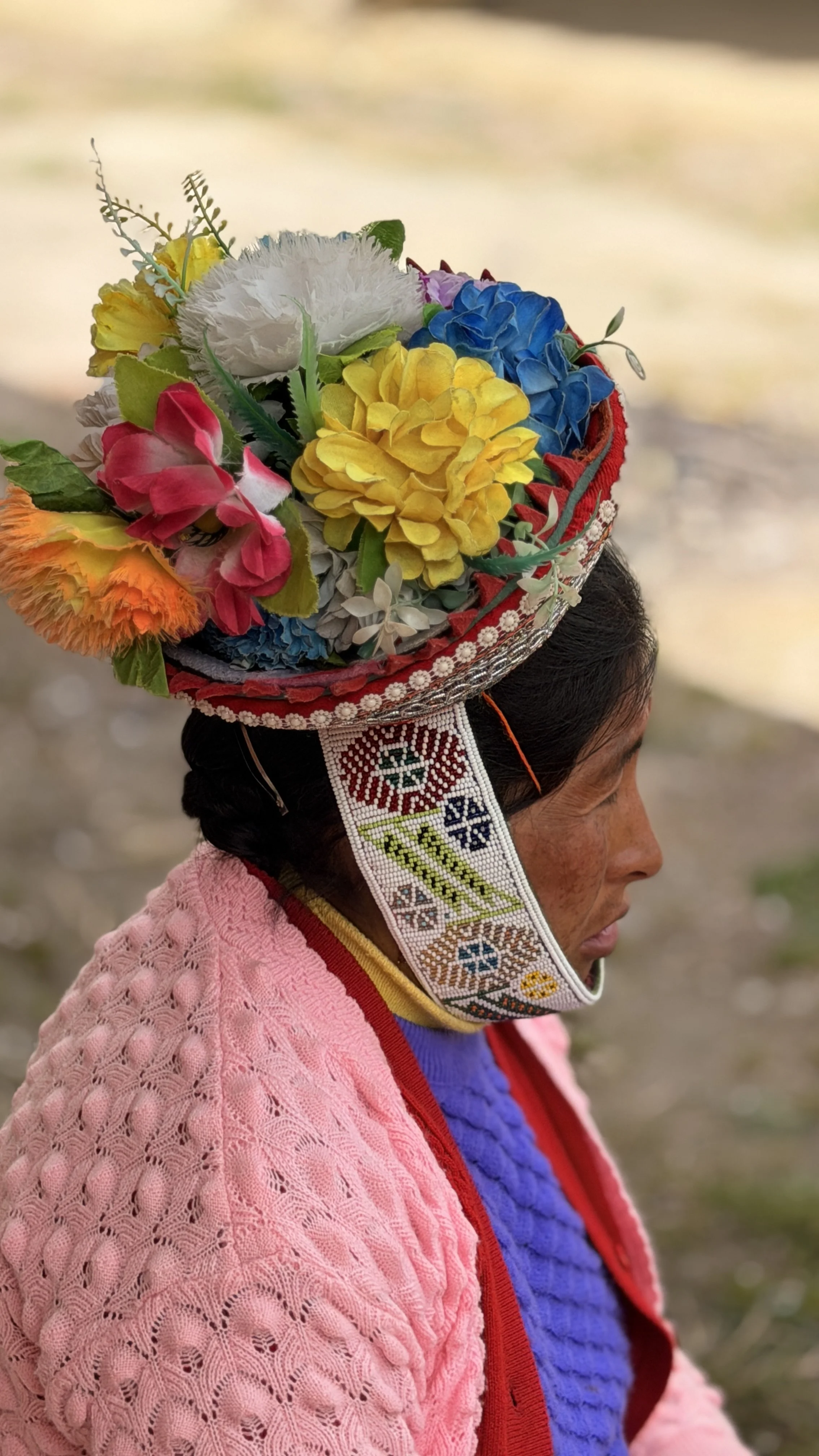
Awamaki, a women-led NGO founded in 2009, was built to change that. Working in deep collaboration with Indigenous Quechua women in nine cooperatives across the Sacred Valley, Awamaki connects artisan collectives to fair trade markets and sustainable tourism — creating reliable, place-based income for women who previously had none.
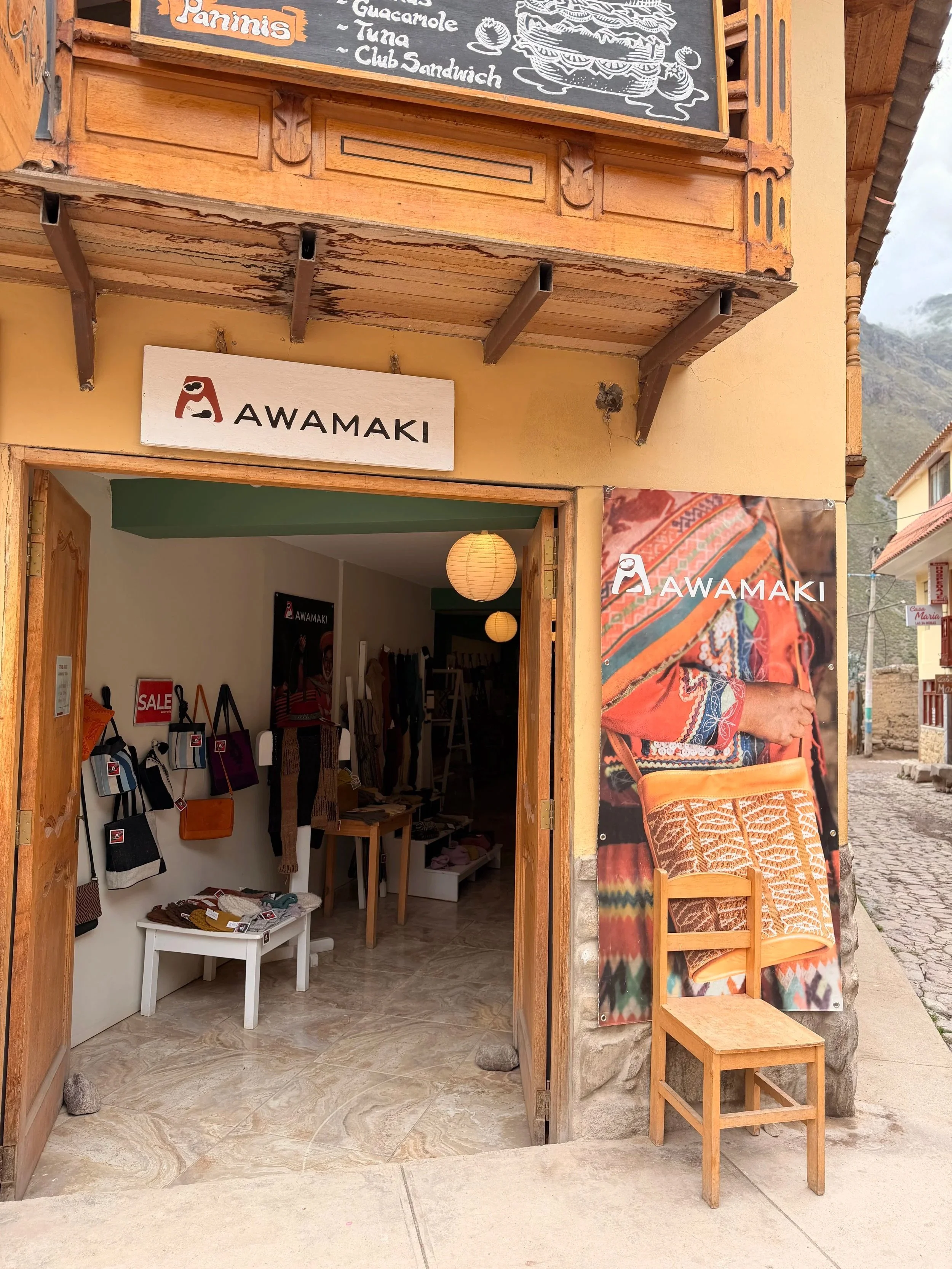
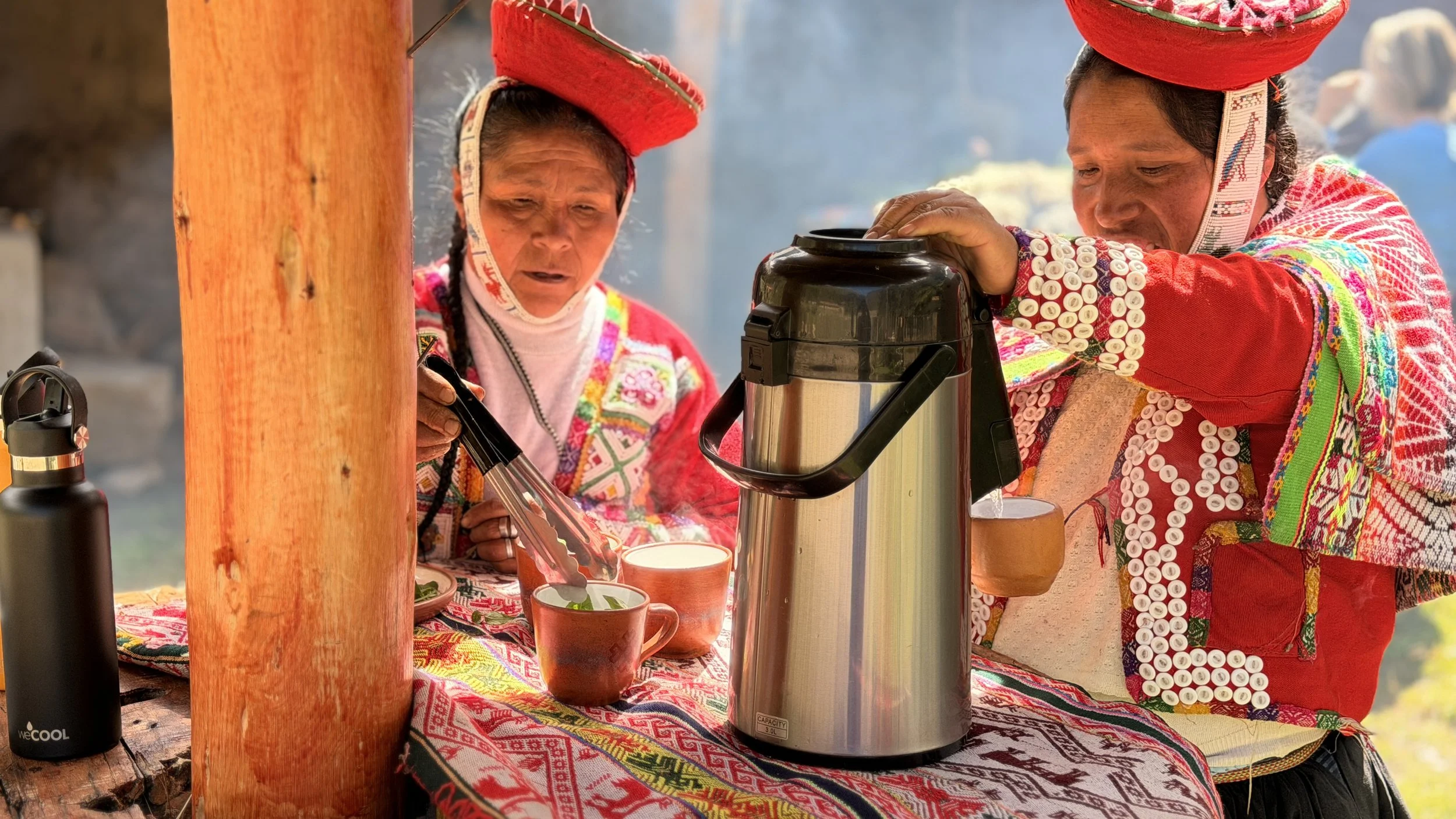
I spent twenty days in and around Ollantaytambo, embedded with Awamaki staff, volunteering in their store, visiting their cooperatives, participating in an Andean overnight homestay, observing bi-annual demographic interviews with cooperative members, and meeting with partner organizations working on women's health and community infrastructure across the region.
Awamaki is working strategically to help women access consistent earning potential, and once they do, those women are changing their lives and the lives of their children.

Key Insights:
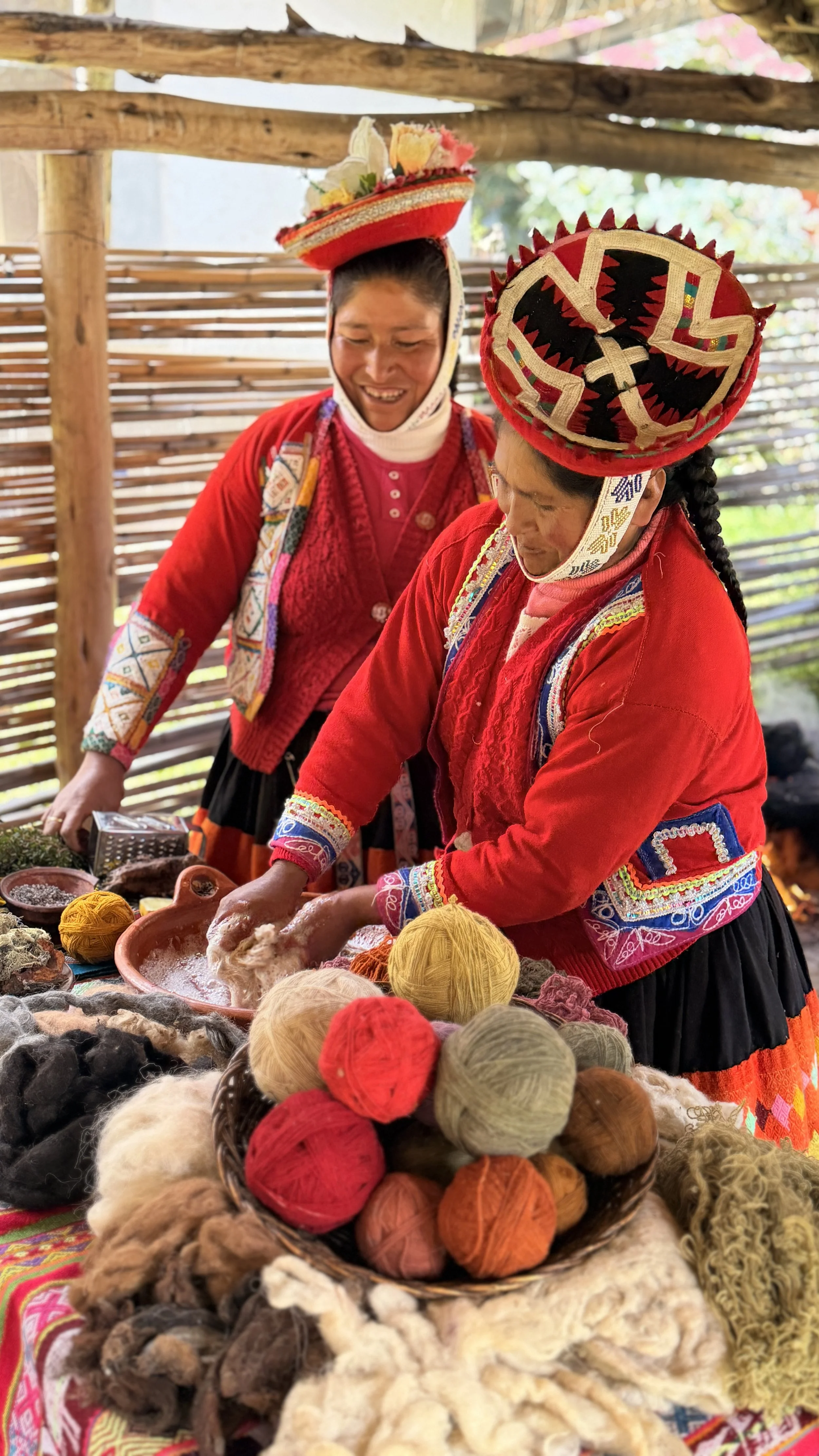
Collective Action: The cooperative structure is the foundation of everything Awamaki makes possible. Women form their own collectives among friends and neighbors, register them as legal entities, establish bylaws, and elect rotating leadership structures. Awamaki then provides training, market access, design support, and quality control, with the explicit goal of graduating each cooperative to full independence. The rotation model is intentional: every woman in a cooperative has the opportunity to lead tours, cook, teach weaving demonstrations, and host overnight guests. Each role carries a different rate of pay and a different leadership responsibility, ensuring that earning and experience are distributed rather than concentrated. Women call each other campanera — colleague — a word that levels the relationship among women of different backgrounds and between cooperative members and Awamaki staff.
“The women are driving the success of this program. They show incredible initiative and always want to learn."
— Gabby Franco
Sustainable Tourism Manager
Scale: Awamaki has grown from supporting 10 artisan partners in 2009 to serving 183 women across nine cooperatives. Scale is achieved through a deliberate combination of fair-trade retail, direct e-commerce, and sustainable tourism programs. The organization has chosen to grow slowly and strategically, adding new cooperatives only when existing sales and tourism volume can support them, a model that prioritizes depth of relationship over speed of expansion.
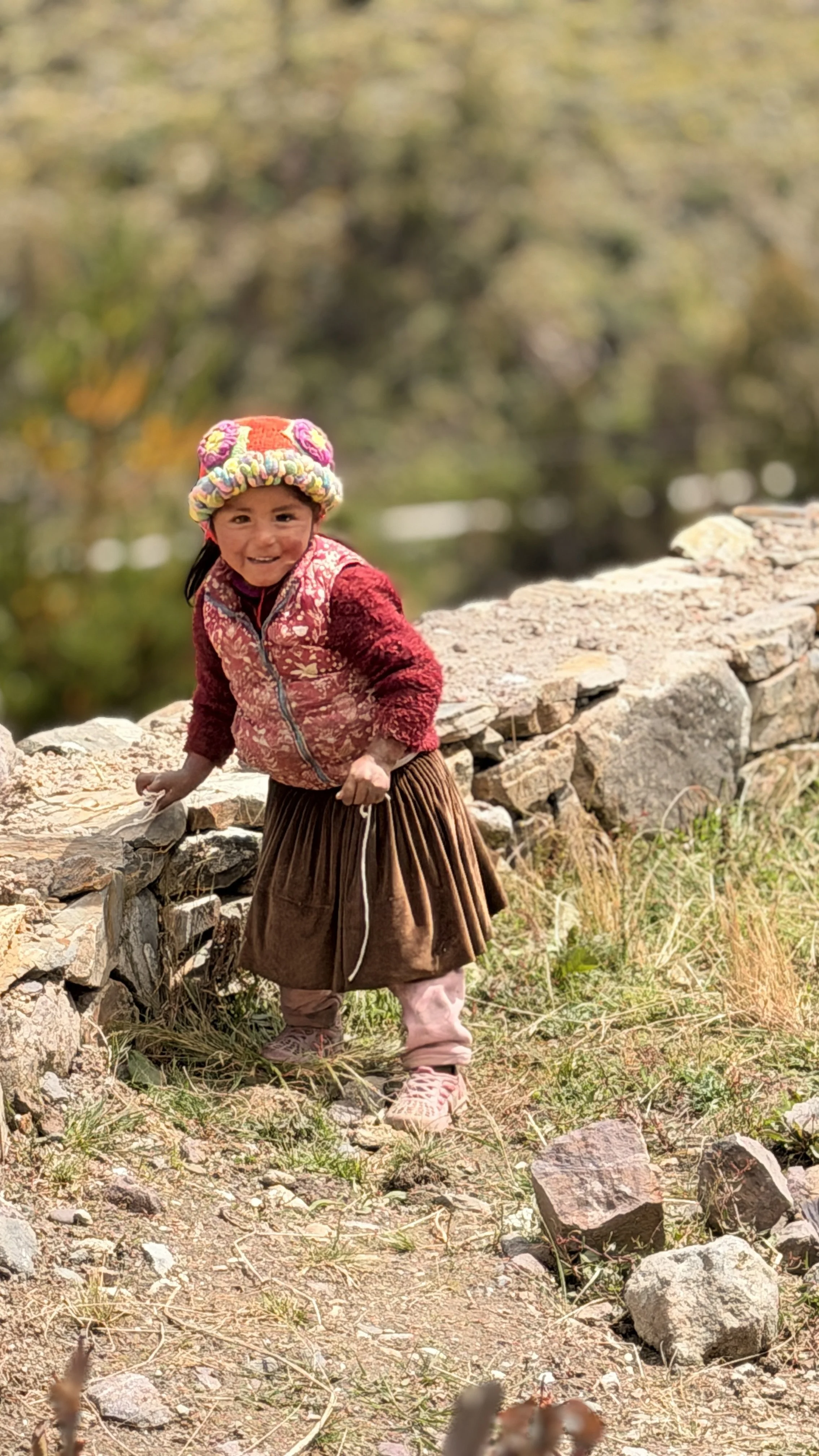
Systemic Impact: The changes Awamaki's work produces extend well beyond income. When women in the cooperatives earn reliable income, they invest it in their children's education: primary school supplies, secondary-school fees, and increasingly, university and institute tuition in Cusco and Urubamba. Several cooperative members' children are now studying medicine and mechanics. Some of their husbands, observing their wives' success in tourism, have expressed interest in tourism training themselves — a visible shift in household dynamics that none of the women anticipated when they first joined. Literacy remains a significant constraint. Over half of Awamaki's partner artisans have never attended school, and without basic literacy, women cannot manage their own record keeping nor graduate to independent business ownership. Awamaki is actively seeking grant funding to introduce literacy training, recognizing — as the Kudumbashree model in Kerala demonstrates — that literacy is not a prerequisite for participation but is the gateway to full economic sovereignty.
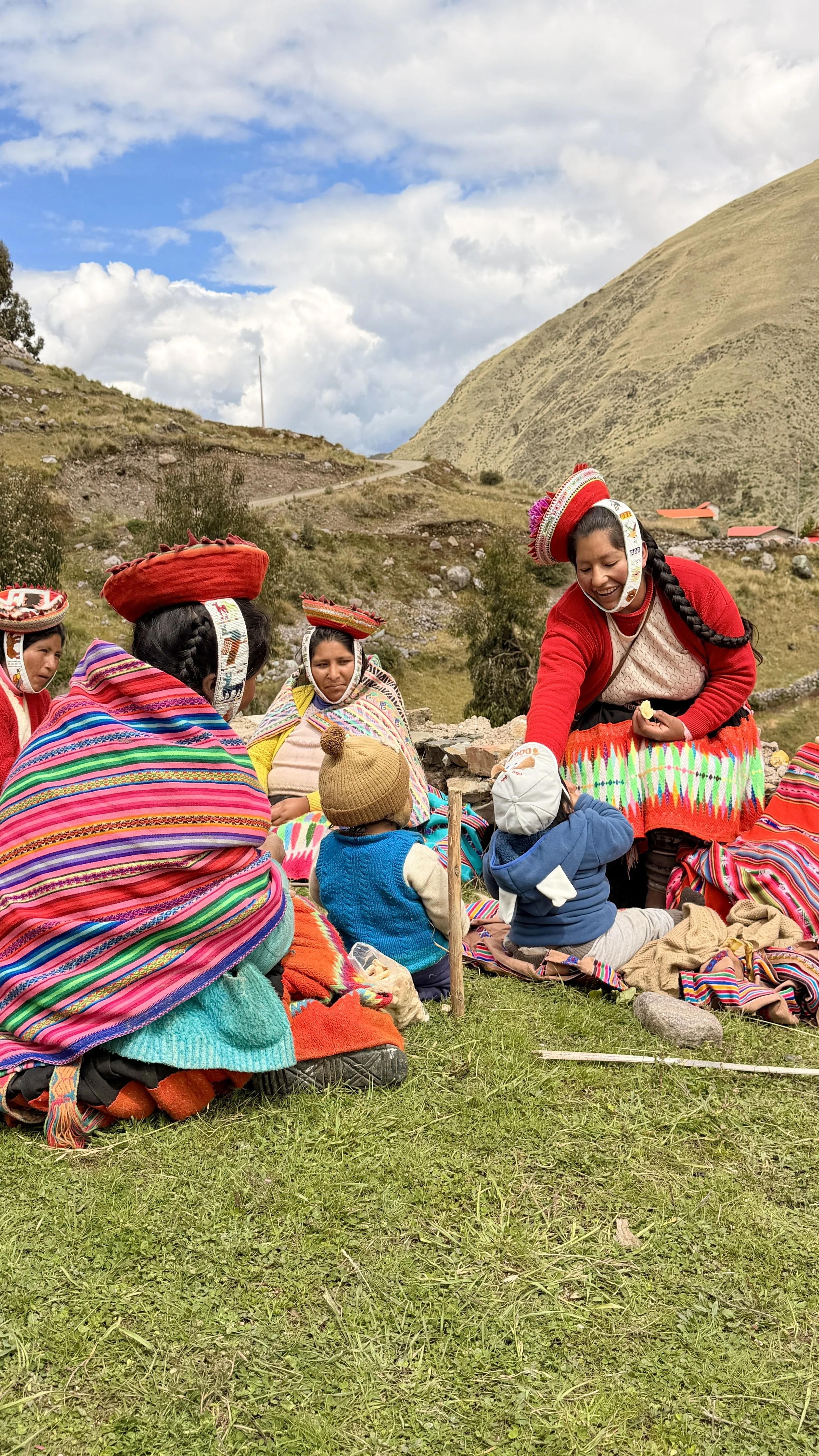
“It has been heartwarming to go to the women's homes and see photos of their kids in school hanging on the walls. That is what their extra money is going toward.”
— Gabby Franco, Sustainable Tourism Manager, Awamaki