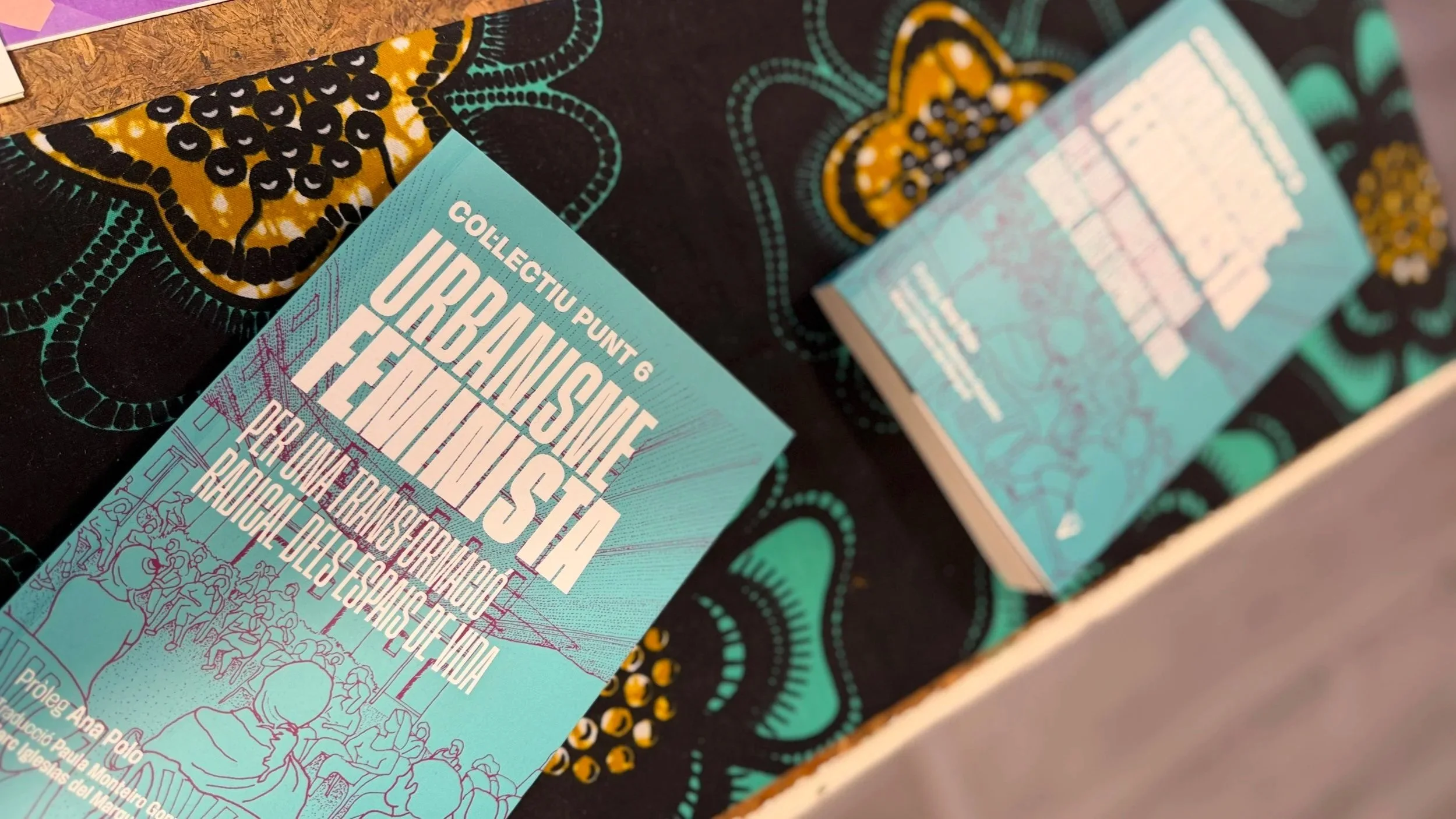
Col·lectiu Punt 6
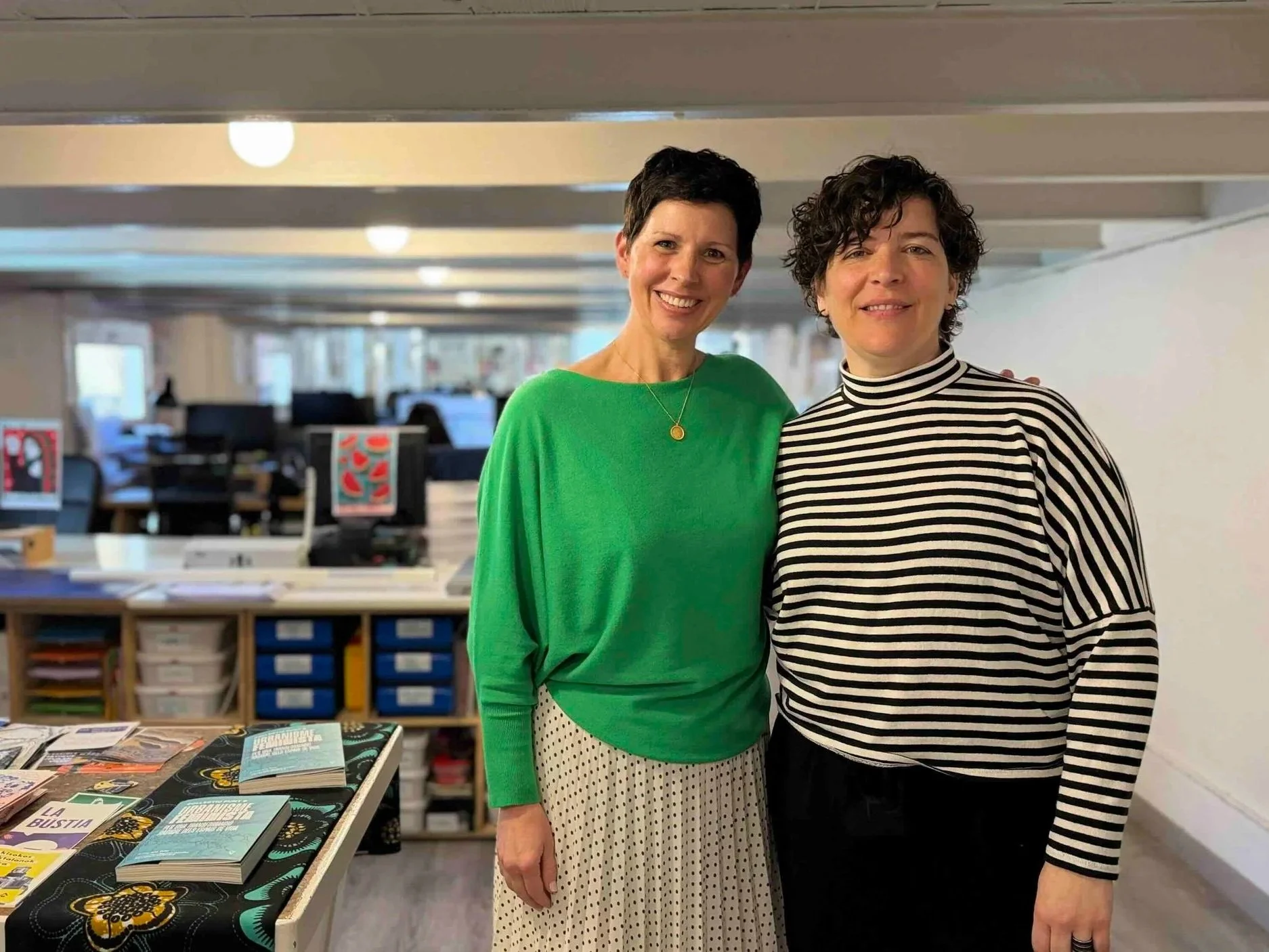
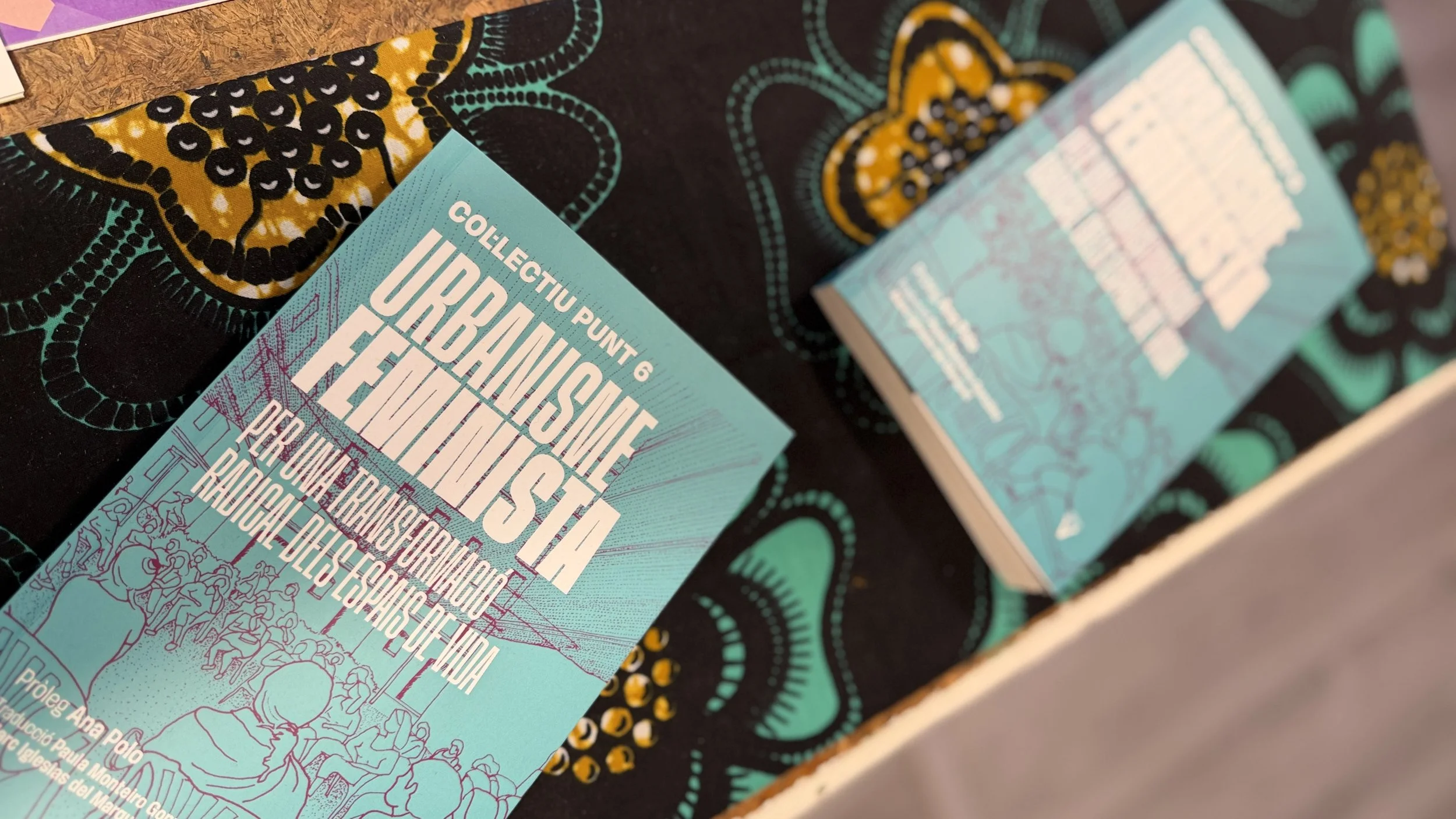
Col·lectiu Punt 6 is one of the women-led cooperatives in Barcelona, Spain dedicated to reshaping how cities work for women. My time in Barcelona focused primarily on their work and the network they operate within
Location \ Sites Visited:
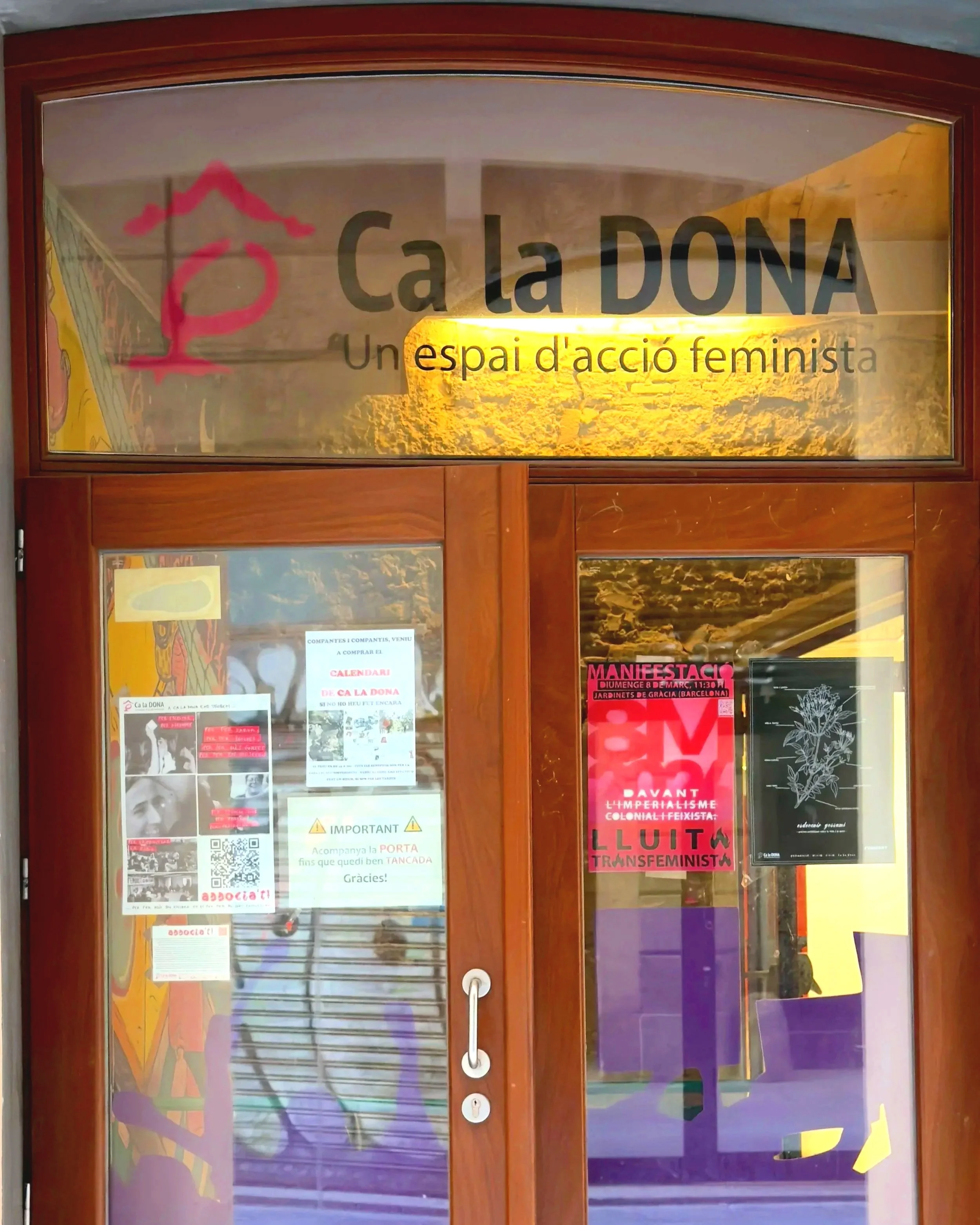
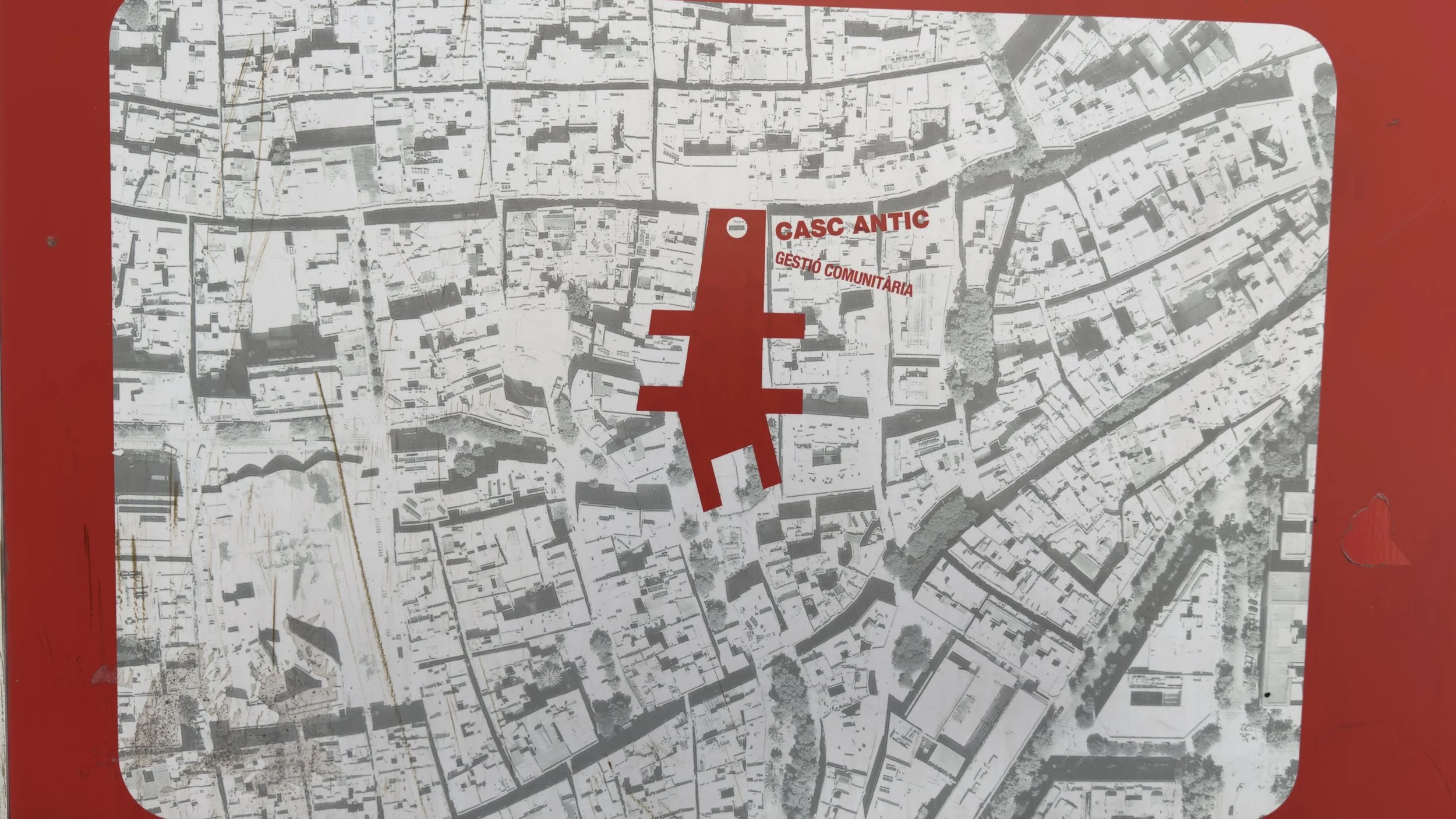
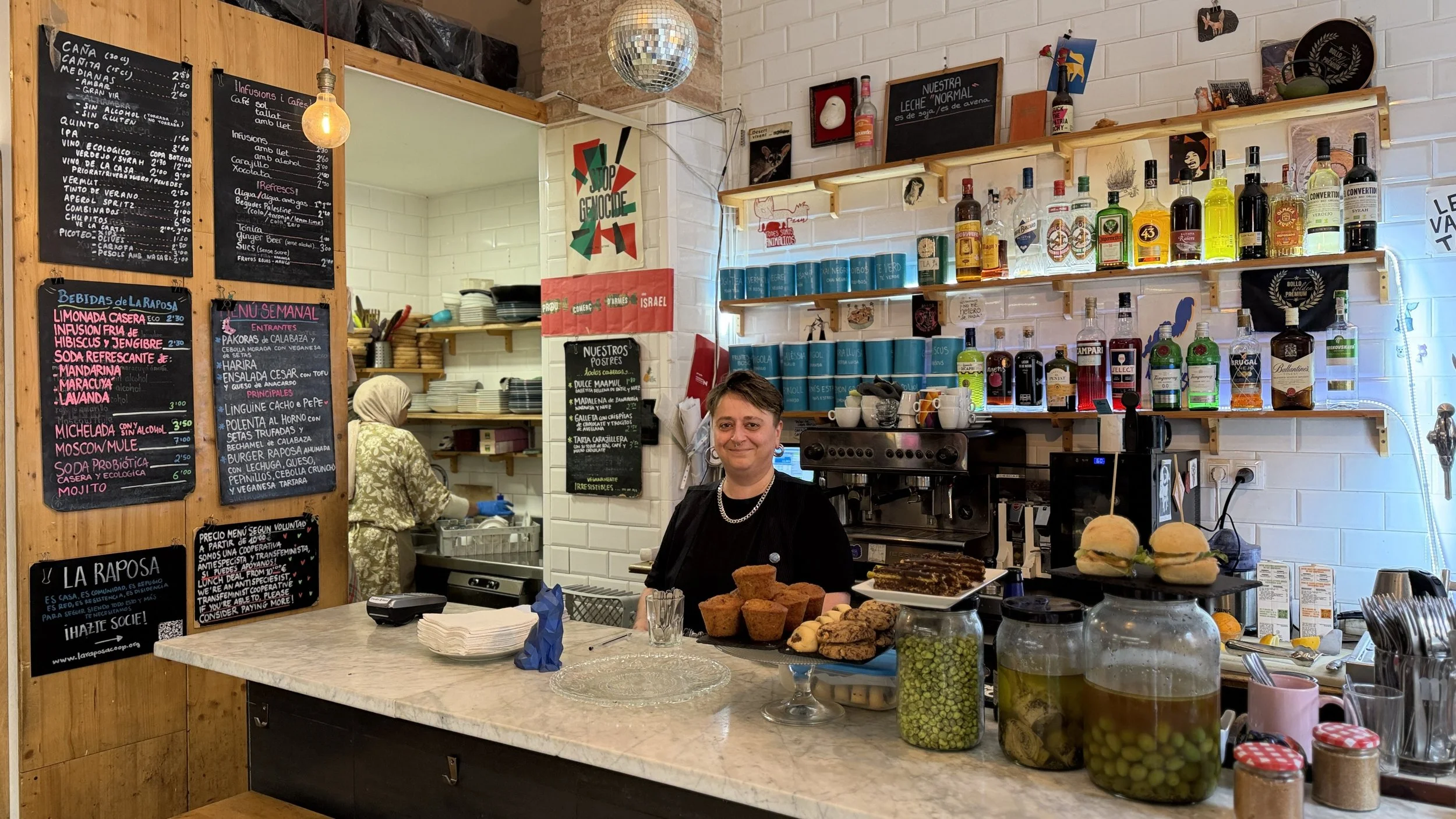
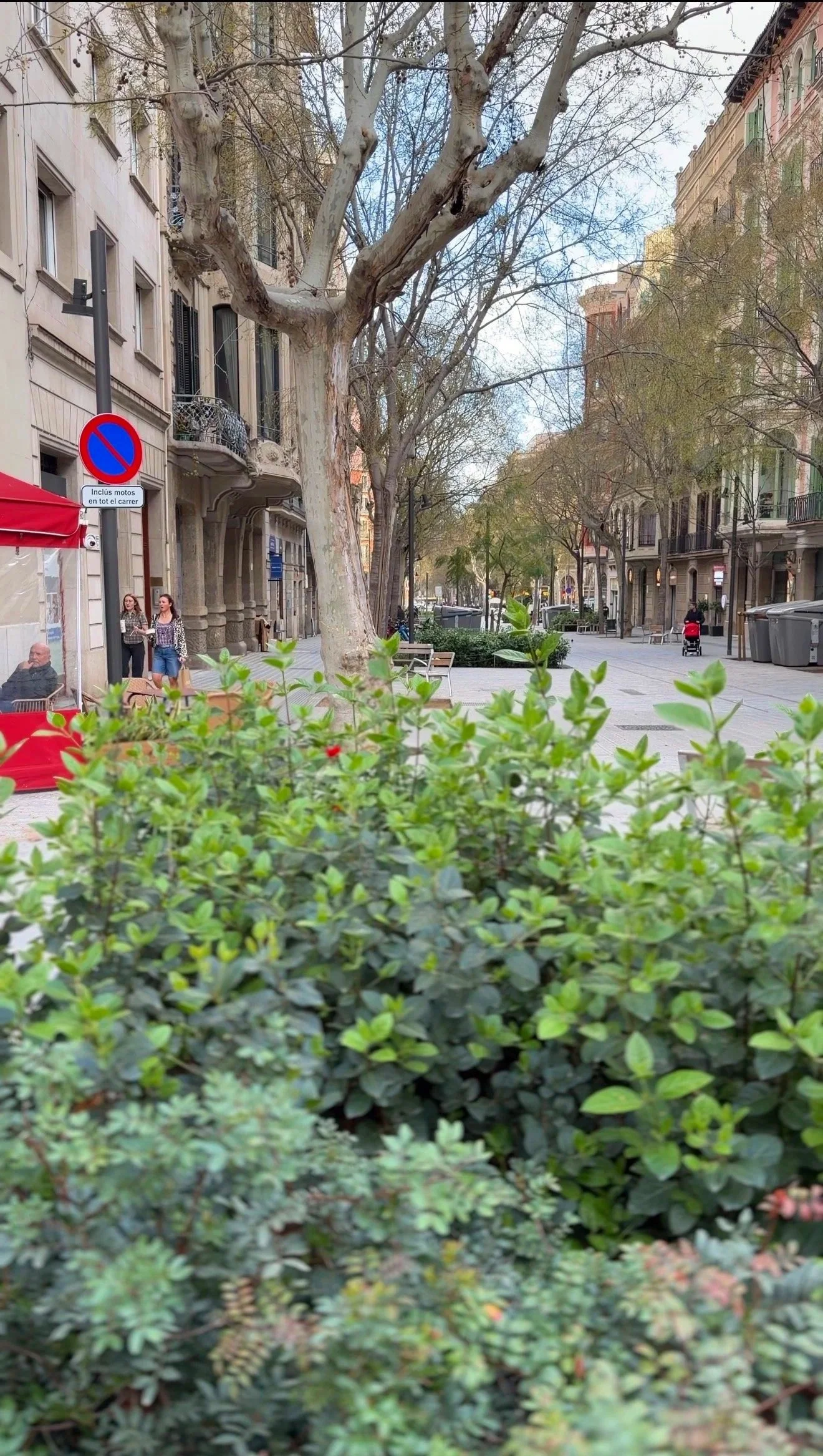
Col lectieu Punt 6 | Plaça del Pou de la Figuera | Mescladis | Casal de Barri Pou de la Figuera Banksy Museum | Ca La Dona | Green Axis along Carrer de Girona/Gran Via de Les Cortes Catalanes and Consell de Cent, Girona, Rocaforr, Comte Borrell | Las Glories Square | Biciclot Headquarters | Poble Nou Superblock | Eixample Neighborhood | Sant Antoni Superblock | Can Batllo | La Reposa | Castell de Montjuïc
Fieldwork Status:
Fieldwork Complete/ March 16 -20, 2026
Model:
Cooperative
Key Organizations / People:
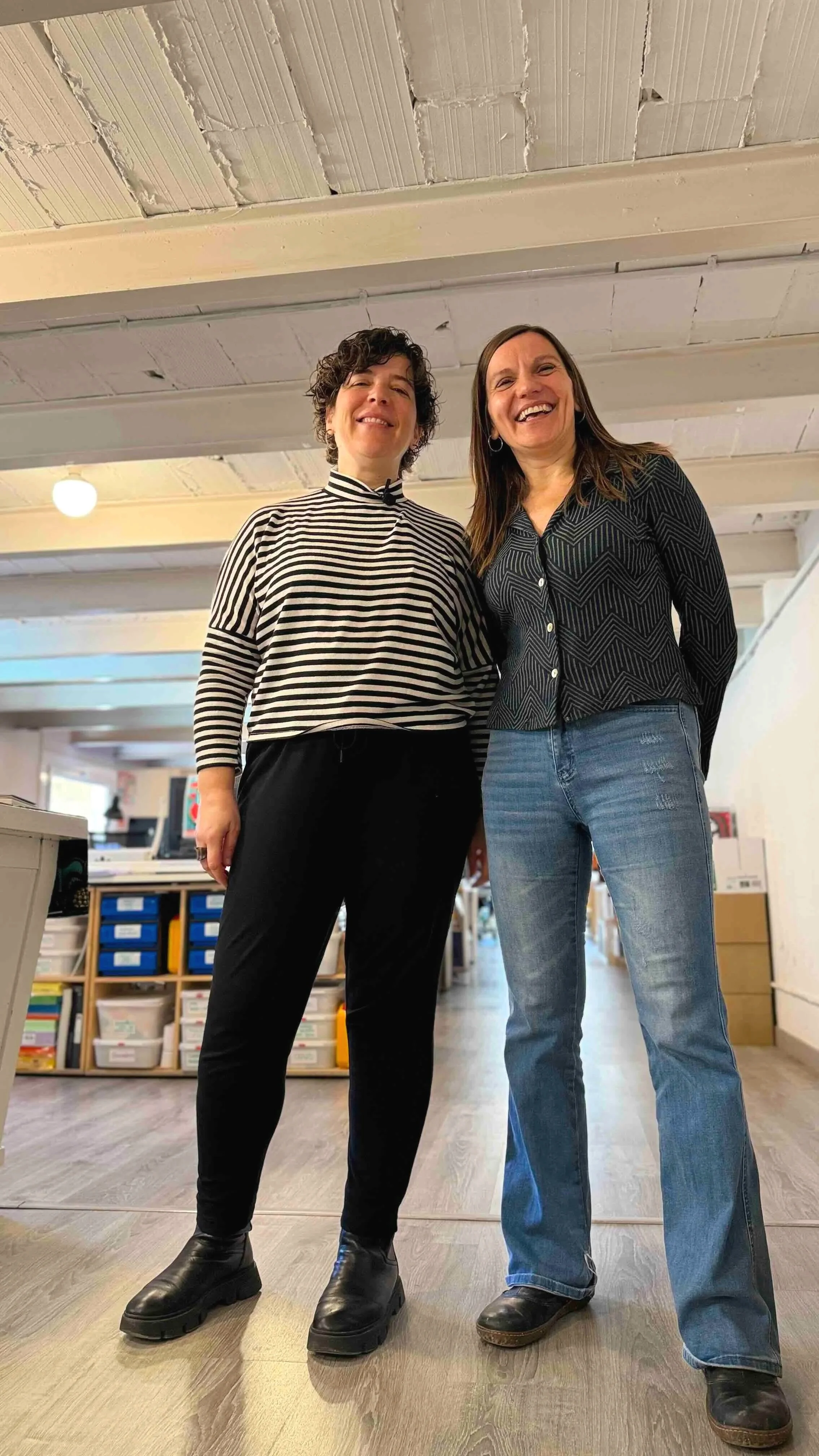
Sara Ortiz Escalante, Founding Partners of Col·lectiu Punt 6 SCCL | Roser Casanovas, Founding Partners of Col·lectiu Punt 6 SCCL and Representative for La Insolita | Daniela Sanchez, Architect and Representative from Barcelona Architecture Walks
Focus Areas:
Urban infrastructure | Feminist Cooperatives working in Barcelona in support of Feminist Urbanism
Fieldwork Approach:
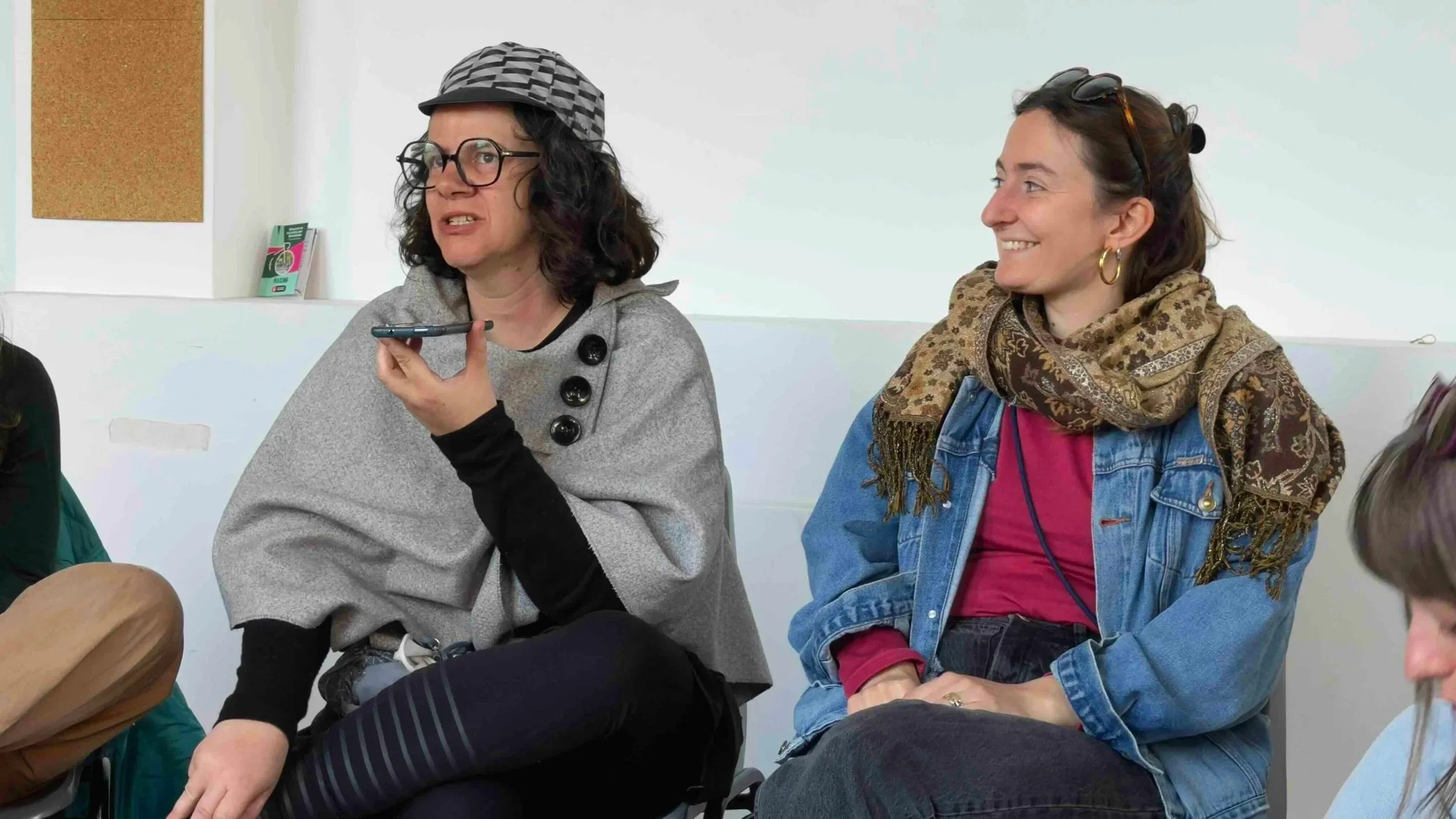
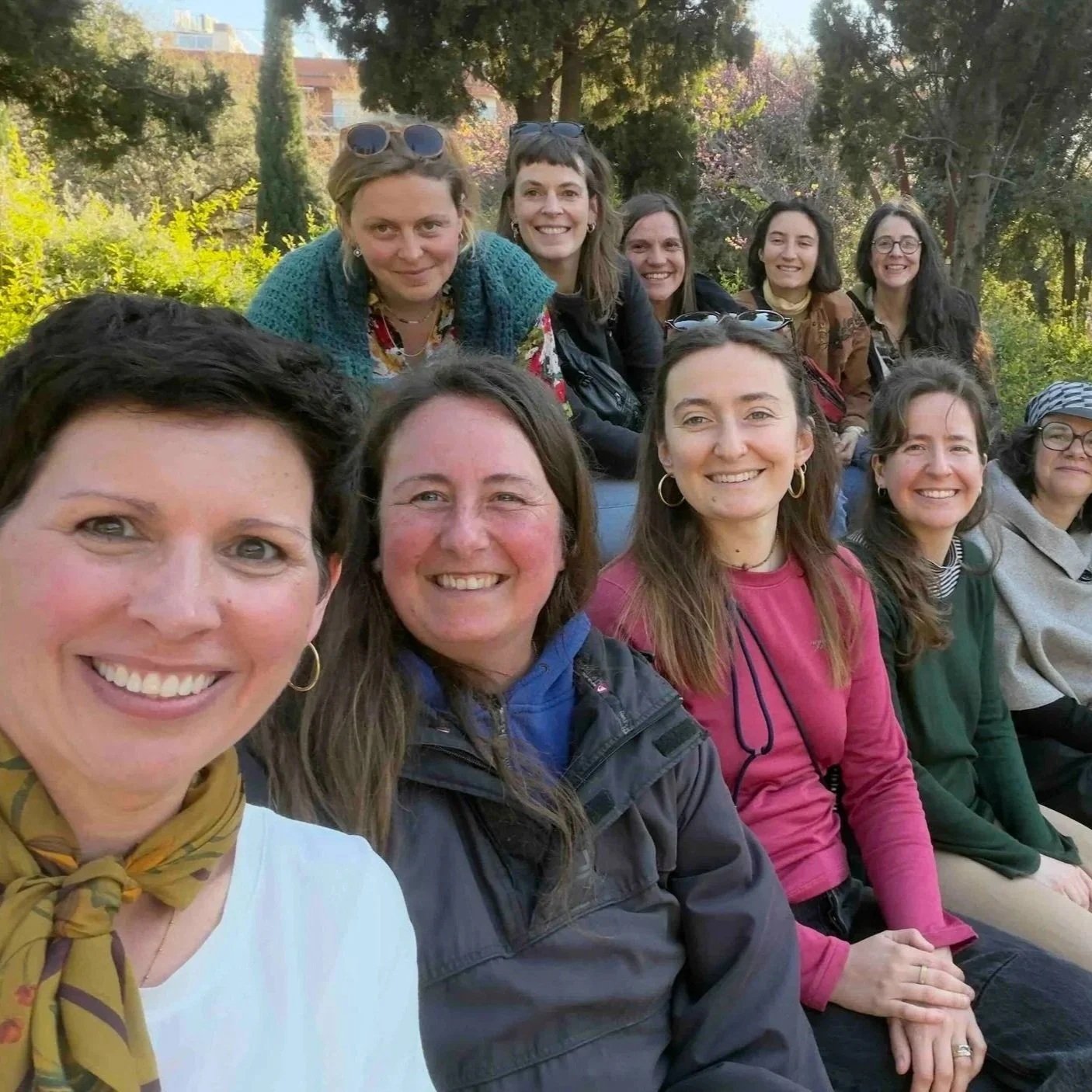
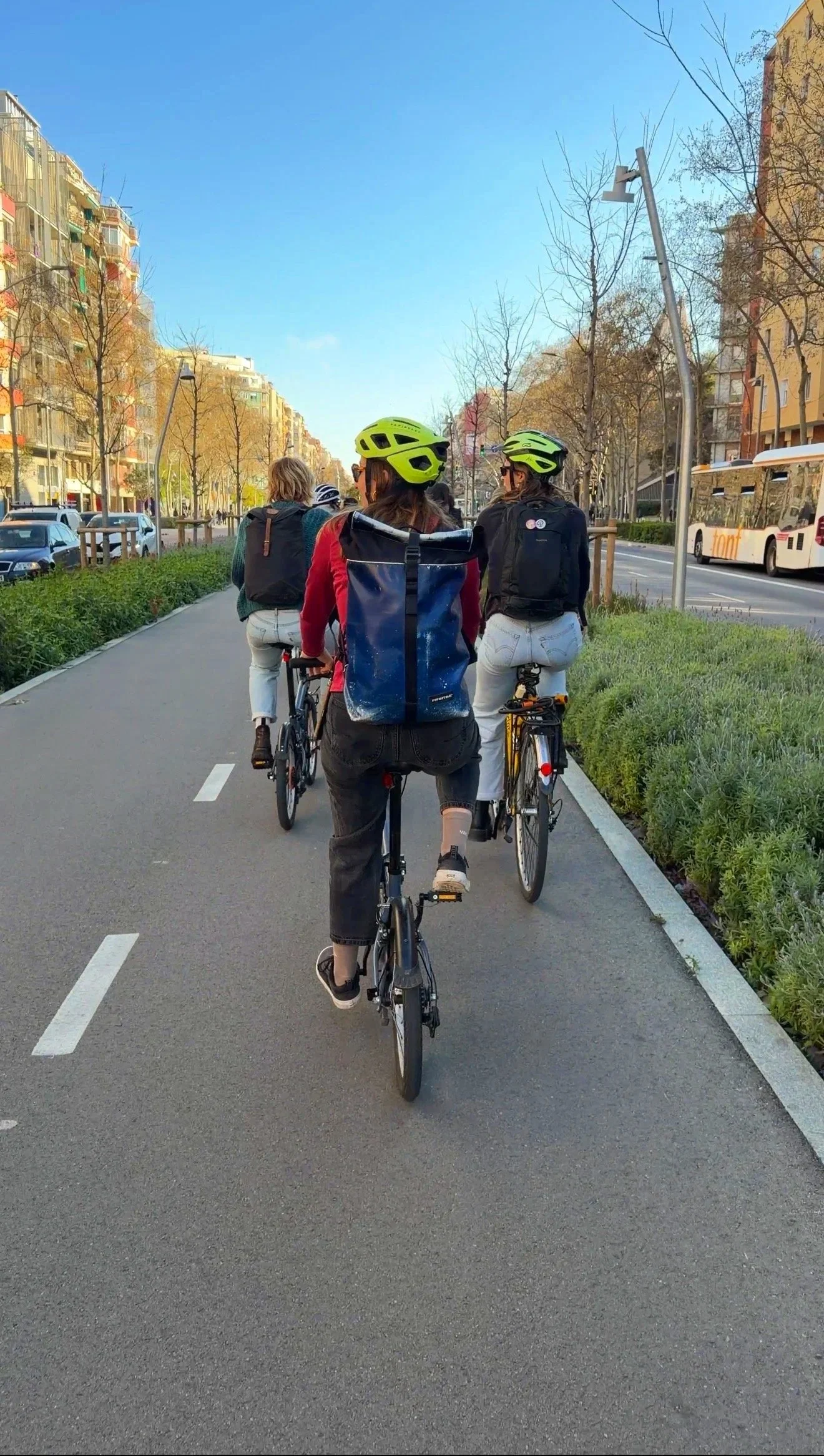
Formal and informal interviews with staff; embedded observation of organizational operations; accompanied Col·lectiu Punt 6 staff on a guided bike experience with visiting women's collective partners from Spain, Belgium, and France, including project reviews and post-tour debrief; site visits to completed urban planning and design projects within the local cooperative network; independent guided tour with a woman architect — unaffiliated with Col·lectiu Punt 6 — involved in Barcelona's Superblock design, including site observation of Superblock and woman-designed housing projects; network observation through visits to affiliated women's groups and cooperative sites; photo and video documentation
Ethical Approach:
Fieldwork guided by a trauma-informed, care-based, non-extractive ethic emphasizing consent, collective structures, and community benefit
OVERVIEW
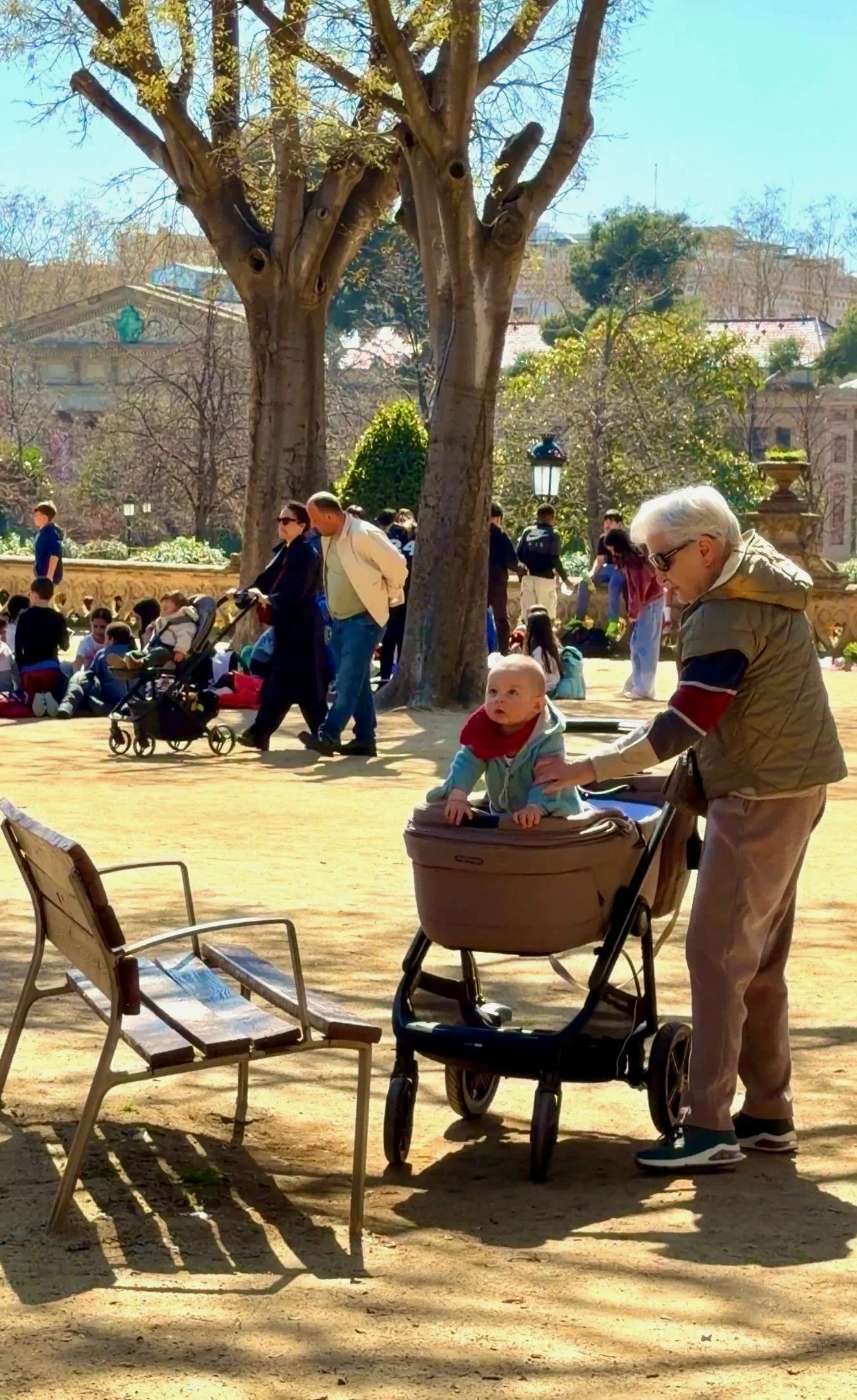
Most cities were built to support a narrow set of needs, often overlooking how different populations move through and experience urban space. In Barcelona, women’s collectives are working to address this through approaches grounded in feminist urbanism. Their work focuses on how time, safety, mobility, and access shape daily life, and how changes to urban infrastructure can better support these realities. I spent five days in Barcelona meeting with collectives engaged in this work, observing meetings, site visits, and collaborative exchanges with both local and international groups.
Key Insights
Collective Action: Collective action is central to both the structure and practice of this work. Groups such as Col·lectiu Punt 6 operate as cooperatives with horizontal leadership, bringing together professionals across disciplines. Their approach is participatory. Community members contribute directly through workshops, audits, and other processes that incorporate lived experience into planning and design. These collectives are also connected through broader networks that provide space for collaboration and mutual support, strengthening both their internal work and their collective voice.
Scale: Scale is achieved through connection across networks. Local collectives engage with regional and global initiatives focused on spatial justice and the “Right to the City.” These relationships expand access to funding and allow projects to operate at larger scales, influencing systems of urban planning and mobility beyond individual neighborhoods. Partnerships within the city also contribute to this growth, enabling more integrated approaches to issues such as transportation, safety, and access.
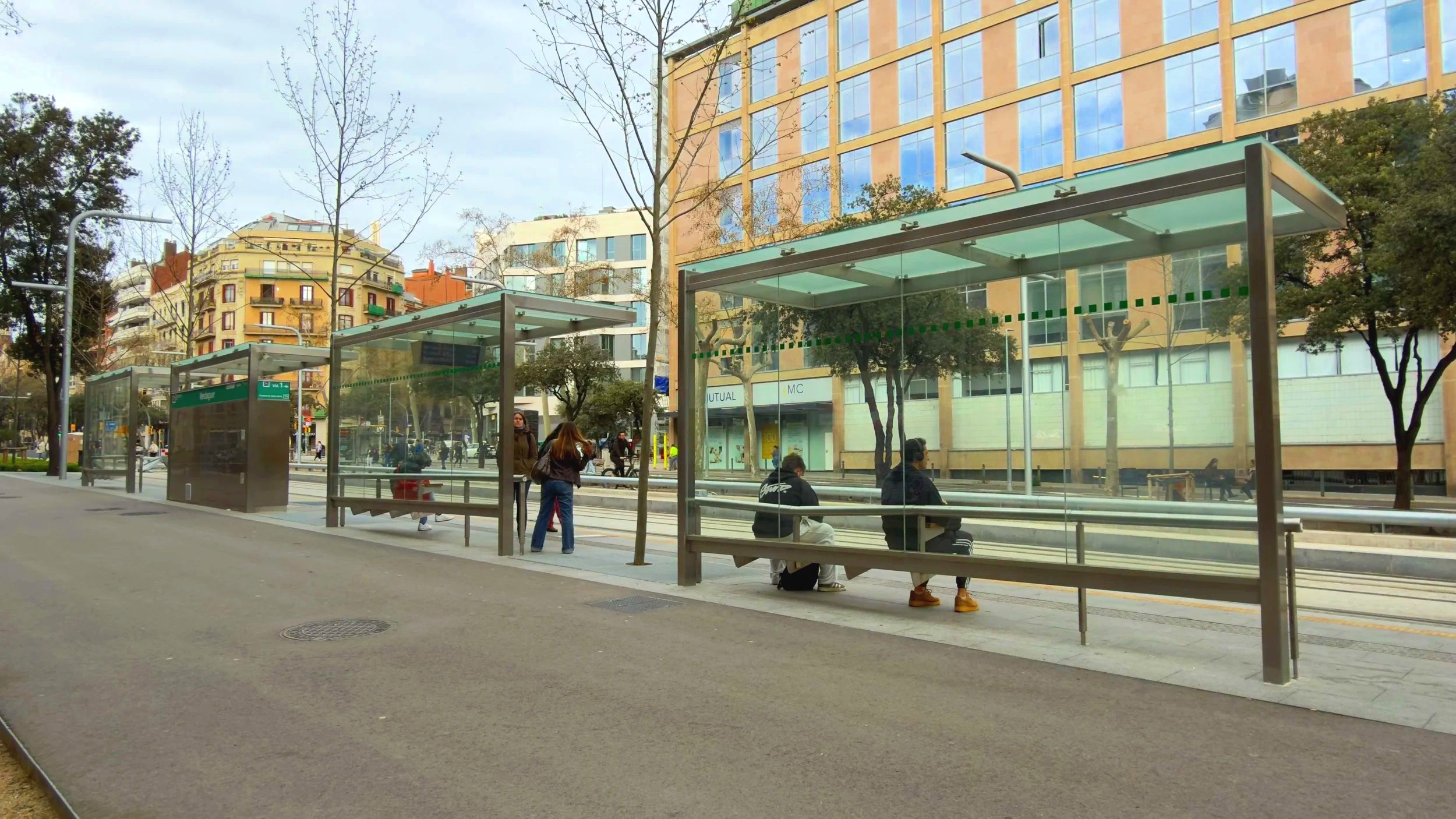
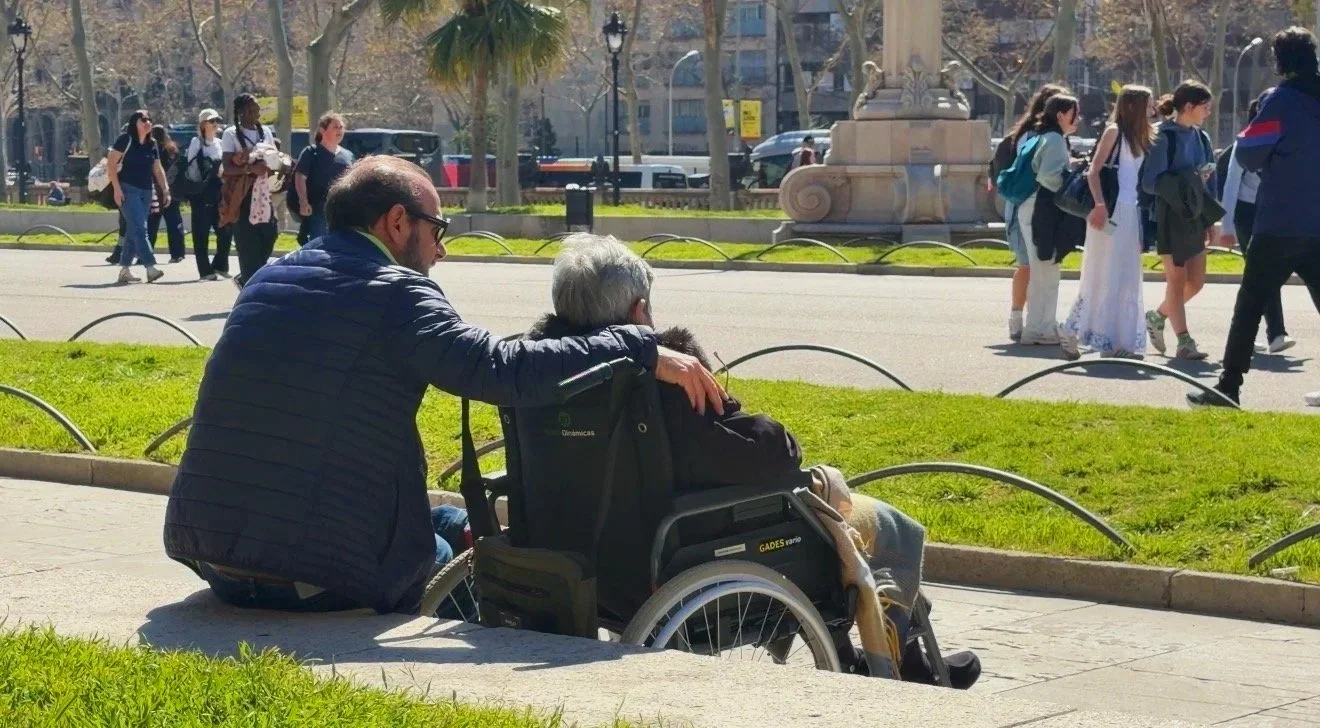
Systemic Impact: The impact of this work is reflected in changes to urban infrastructure and policy. Recommendations related to transportation, public space, and safety have been implemented in ways that affect how people navigate the city. These include adjustments to transit systems, improvements to lighting and visibility, and expanded access to public facilities—changes that directly affect women’s safety, time use, and access to opportunity. While these interventions are designed with women in mind, they improve urban accessibility more broadly, demonstrating how targeted design can influence wider systems.
Read more on my Substack newsletter, Women in Motion.
How Can Strategic Changes to Urban Infrastructure Help Women?
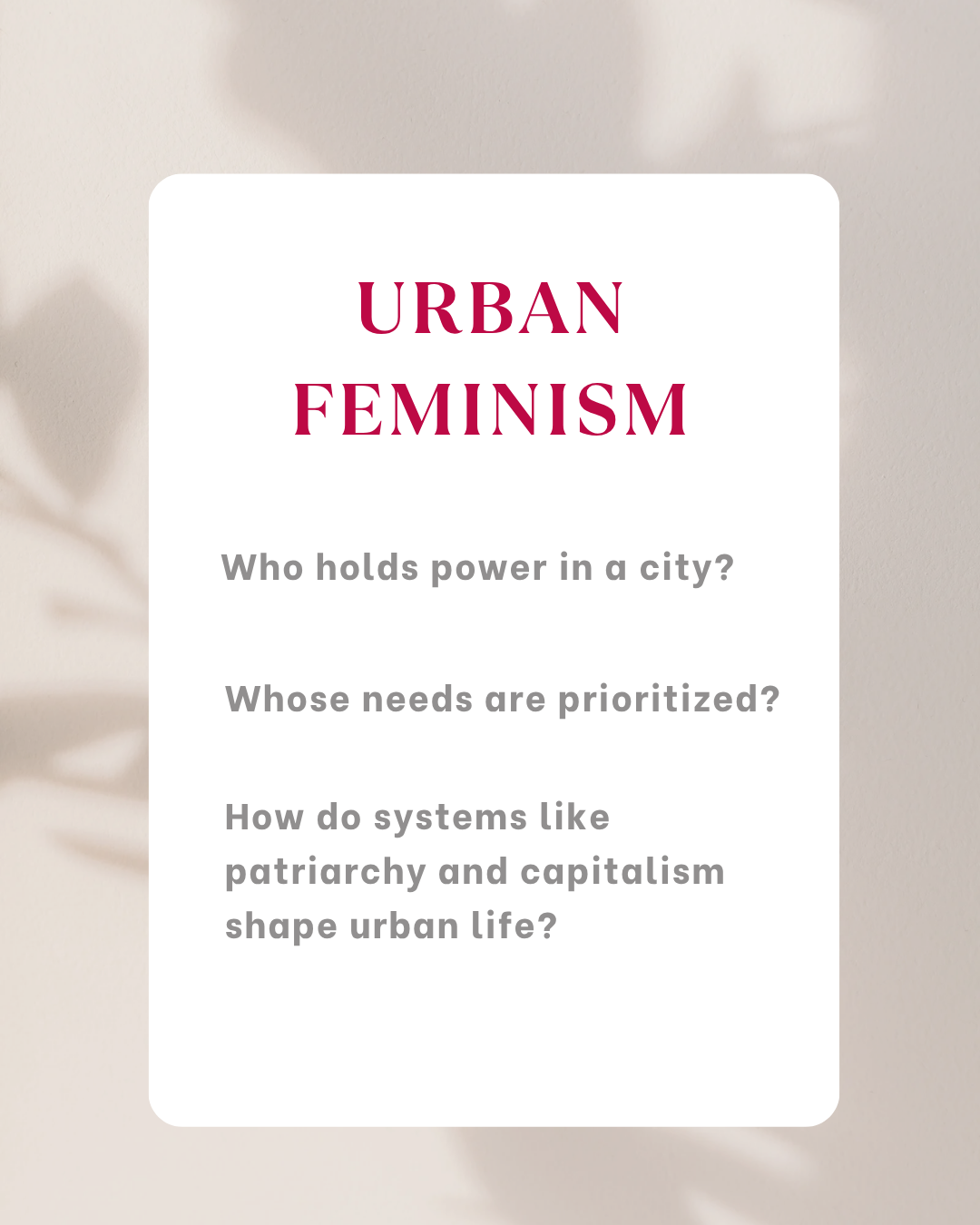
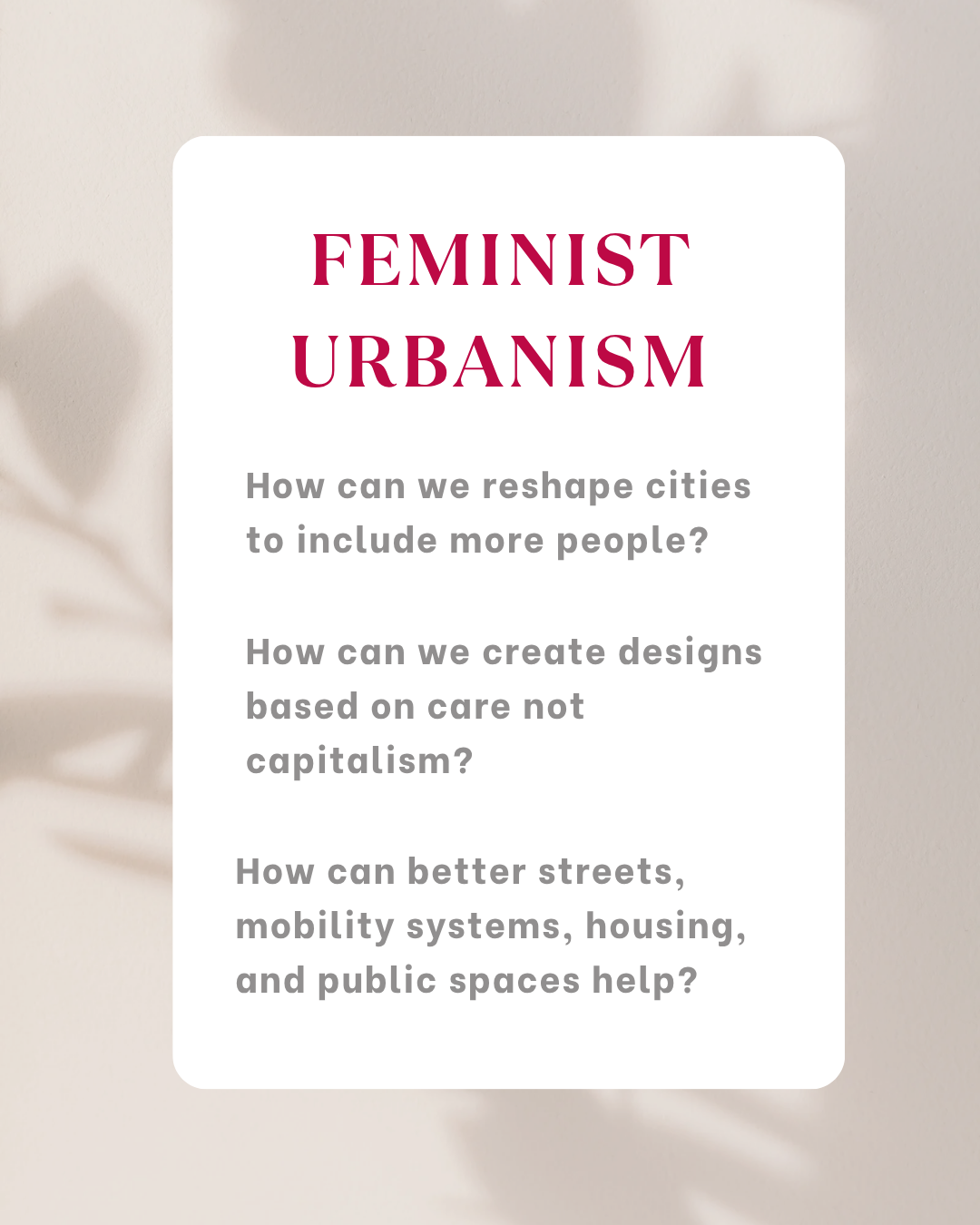
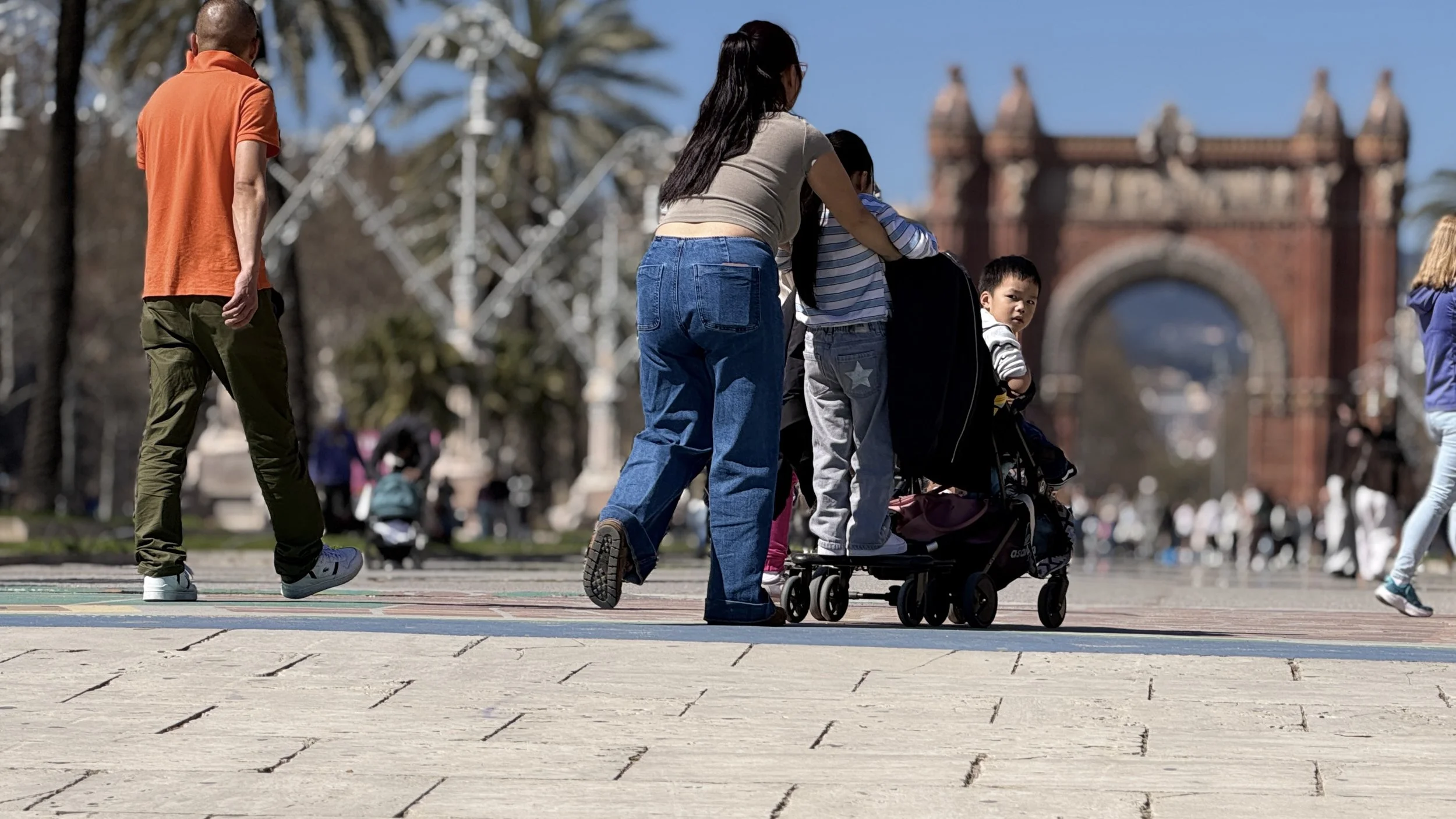
Using theories of Urban Feminism to examine how women experience cities, women’s collectives in Barcelona are planning and designing in new ways. Their approach is known as Feminist Urbanism, and it’s helping everyone, not just women.