Kudumbashree
The largest initiative in the world dedicated to eradicating extreme poverty among women
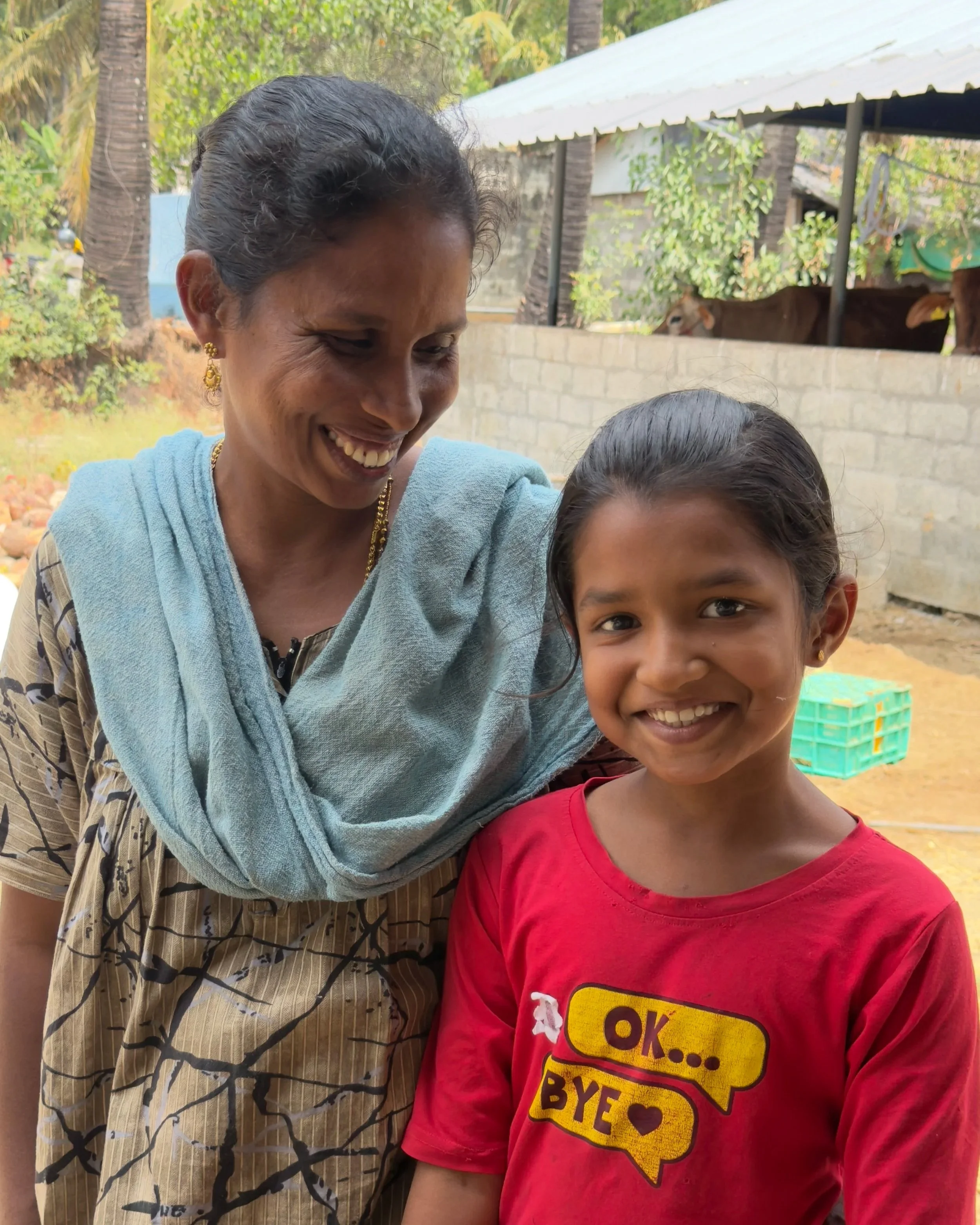
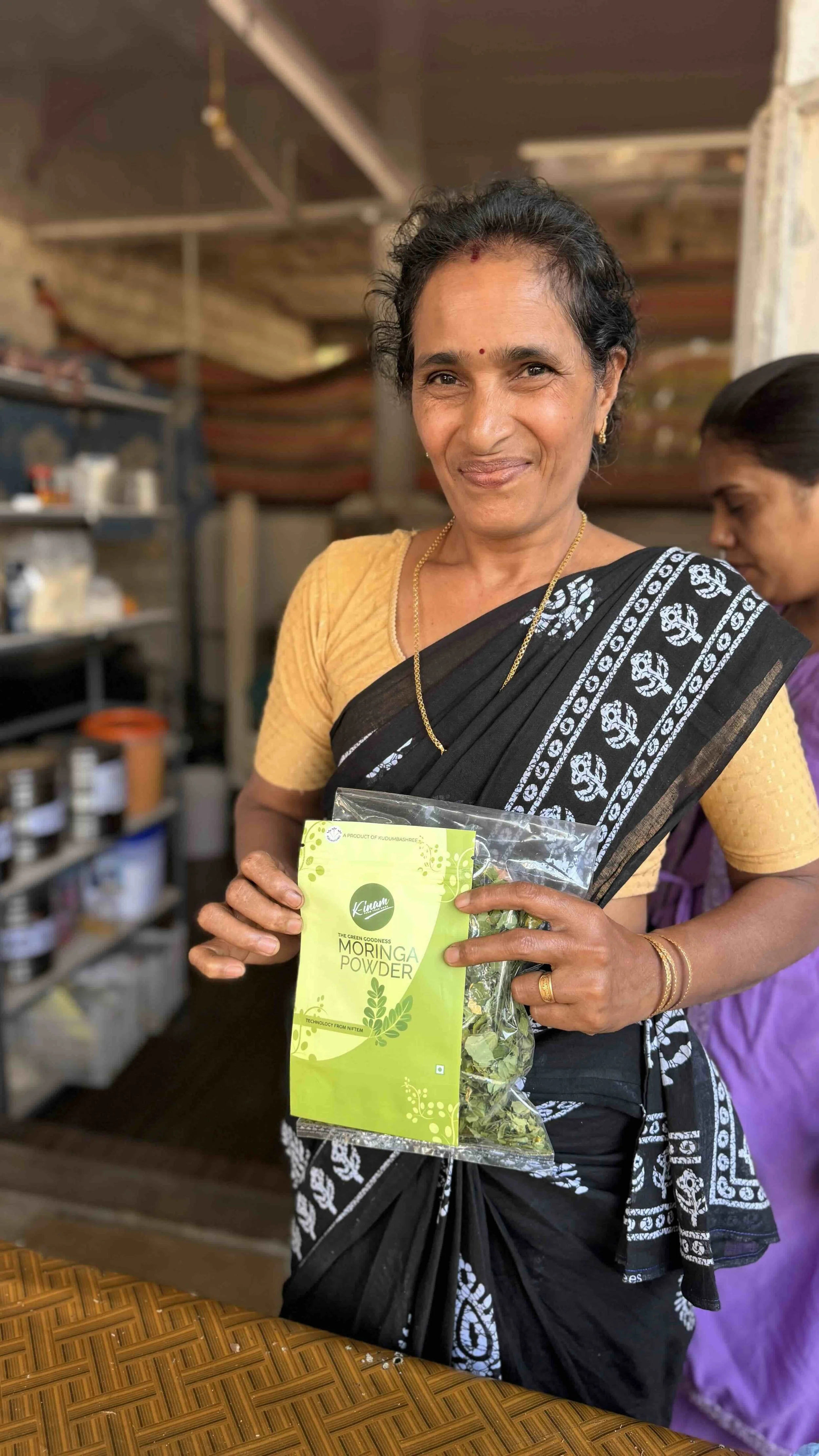
“Twenty-six years ago I didn’t know how to speak well—or to travel. Now I realize my power. I can read. I can work. I can speak in public, and I learned to drive. I am more equal with my husband. I used to have to ask him for money, every time. Now I don’t have to ask. I earn my money.”
Location \ Sites Visited:
Ernakulum, Thrissur, and Palakkad regions within Kerala, India |
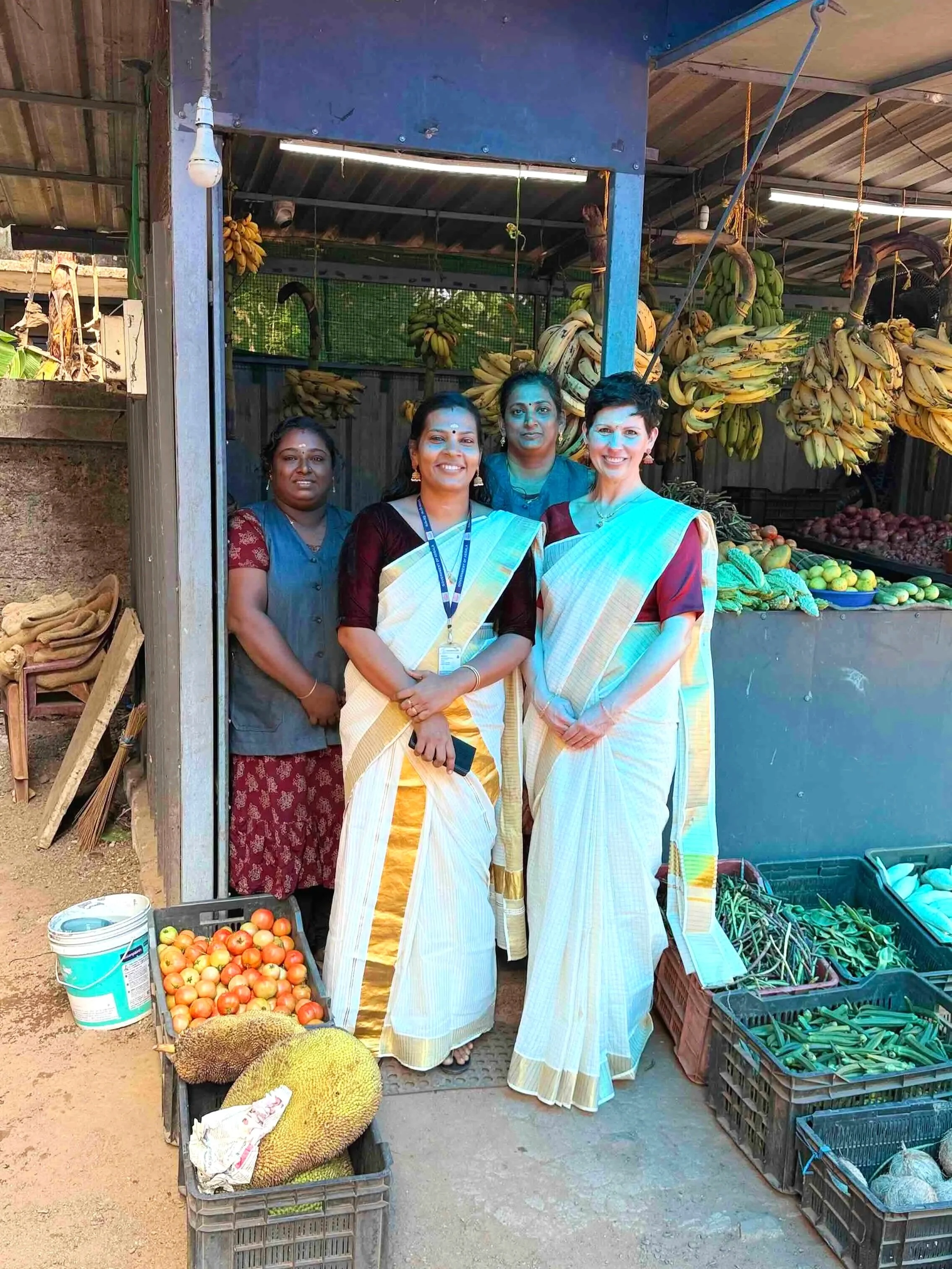
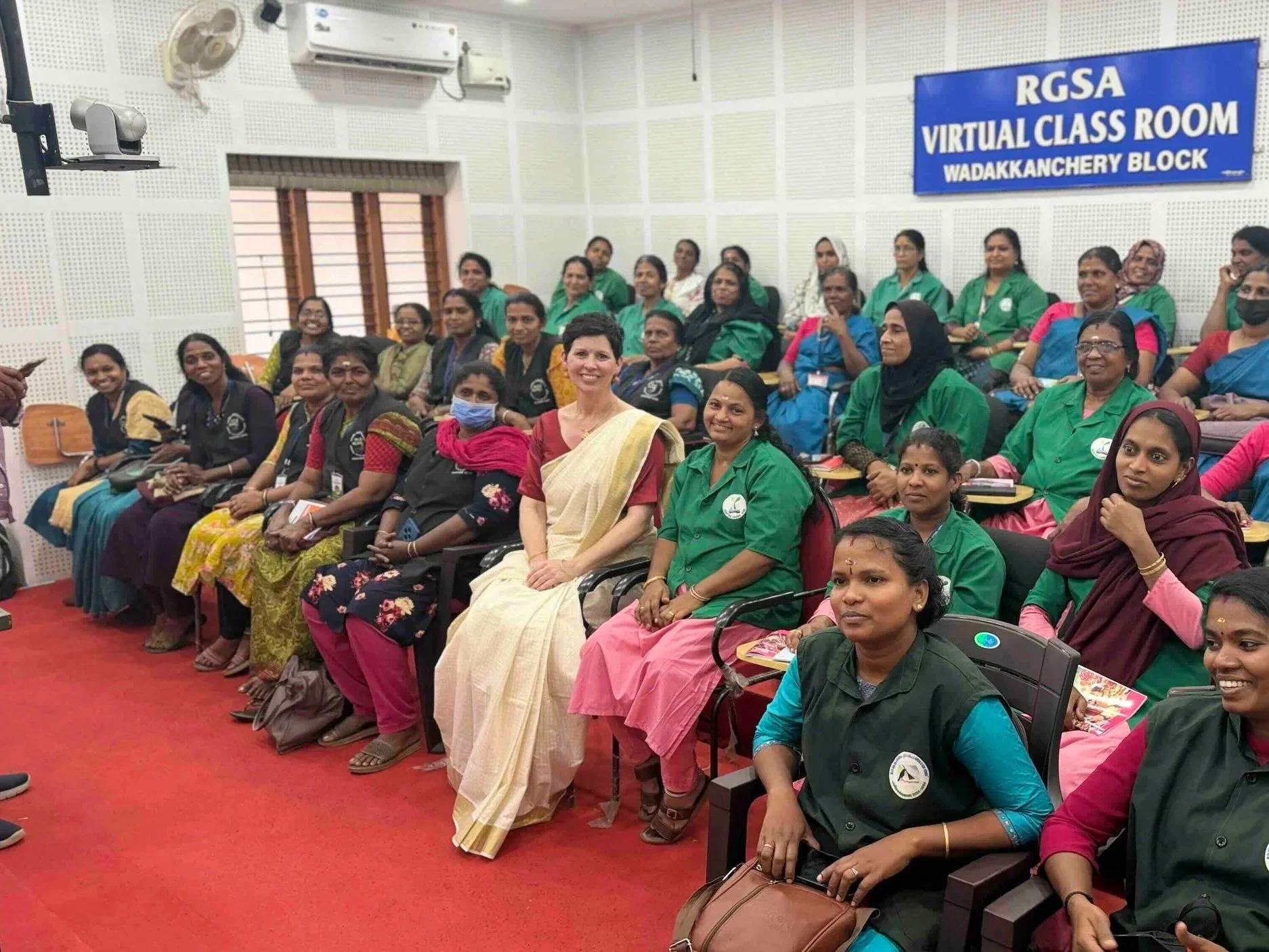
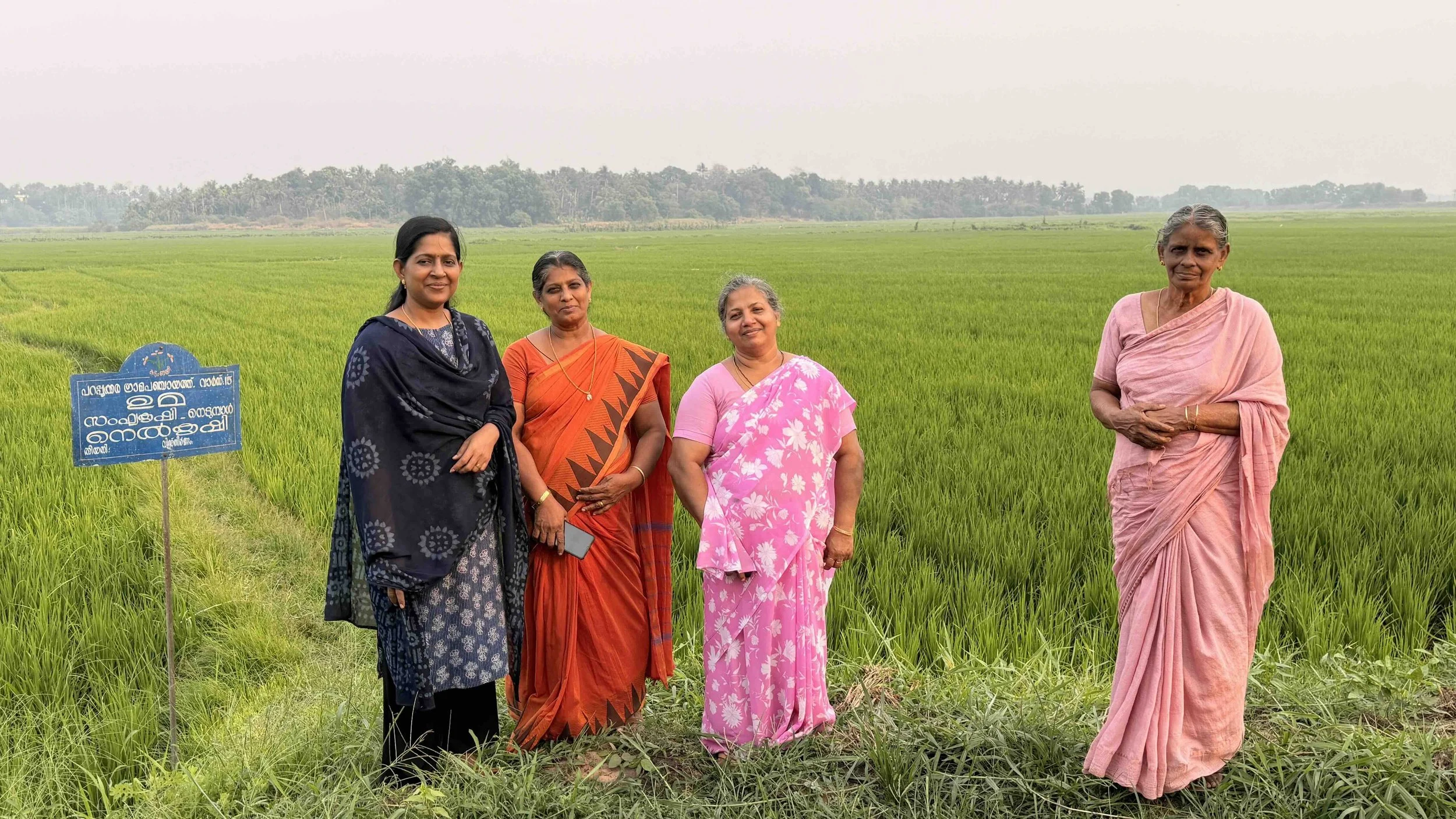
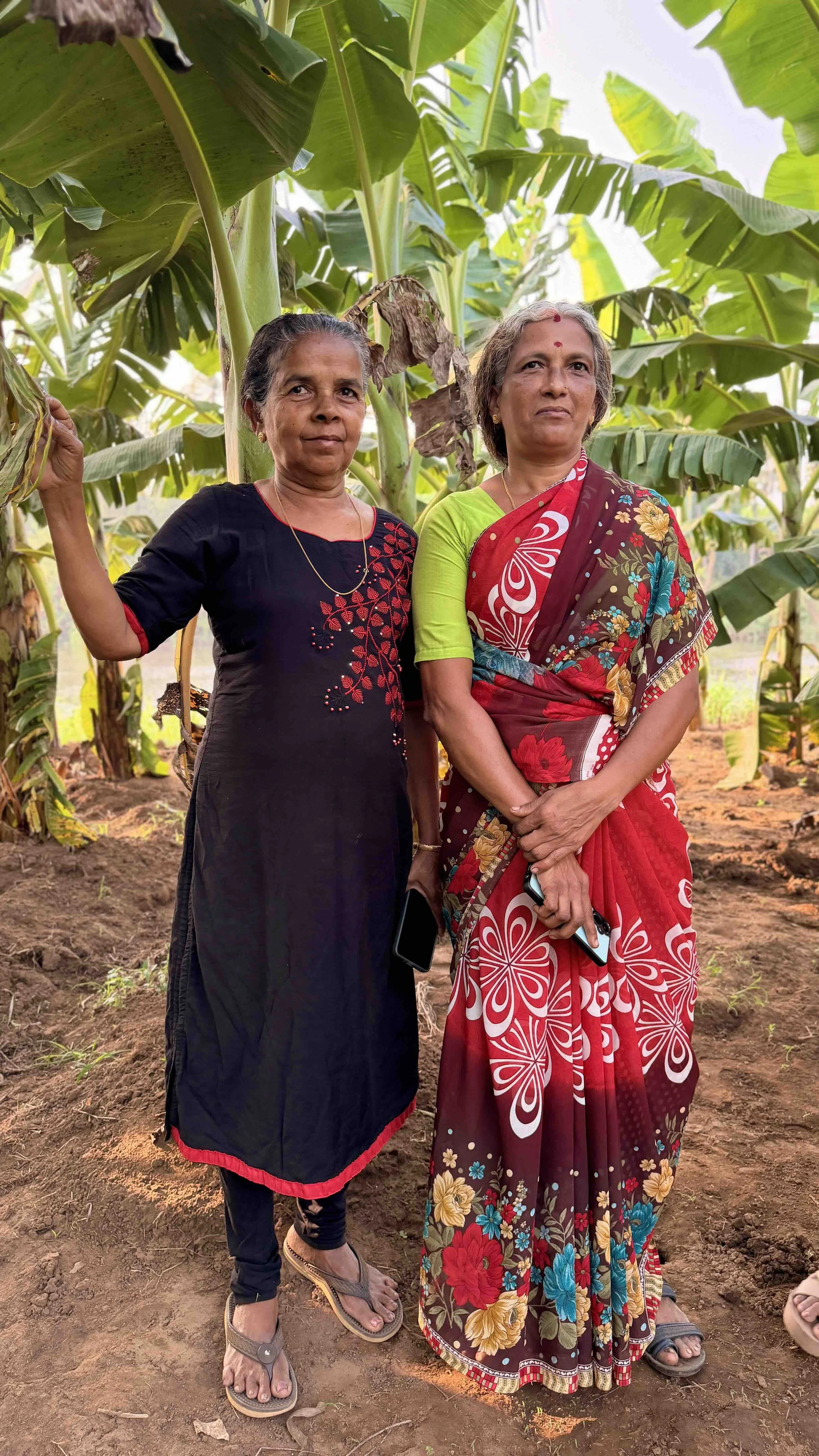
NHGs | JLGs | ADSs | CDSs | Producer Groups | Integrated Farming Clusters Mushroom Farms | Drone-Testing Sites | IFC Livelihood Service Center | Private Homes of Farmers | Farms | Rice Paddies | Integrated Learning Clusters | Office of the President of a Gram Panchayat | Thrissur Corporation Olan | Urban Vegetable Kiosks | Tribal Communities | Auxiliary Groups | Local Businesses & Micro-Enterprises | Sari Shop | Local Festivals | Kudumbashree Staff Meeting at Block Office | Temporary Housing for Women and Their Children | Training of Sanitation Workers | Snehatha office | State-Level Event | Fort Kochi Enterprises | Samridhi Restaurant | Temple | Private Family Estate of Temple Leaders
Fieldwork Status:
Fieldwork Complete/ February 5 -19, 2026
Model:
Statewide Infrastructure
Key Organizations / People:
Women in NHGs, Kudumbashree Mission Leaders, Dr. S. Shanavas, State Programme Officer/ Farm Livelihood, Kudumbashree Mission, Kerala
Focus Areas:
Collective farming and agricultural livelihoods; women-owned micro-enterprises across multiple sectors (food service, retail, urban vegetable markets, Fort Kochi enterprises); gender crisis support and women's safety infrastructure (Snehitha Network); social development programming supporting women with children with special needs (BUDS); tribal women's economic development; workforce development and sanitation sector training; women's political engagement and democratic participation through the NHG collective structure; microfinance and community savings systems; 30-year state-level policy infrastructure as a scalable model for women's collective economic power
Fieldwork Approach:
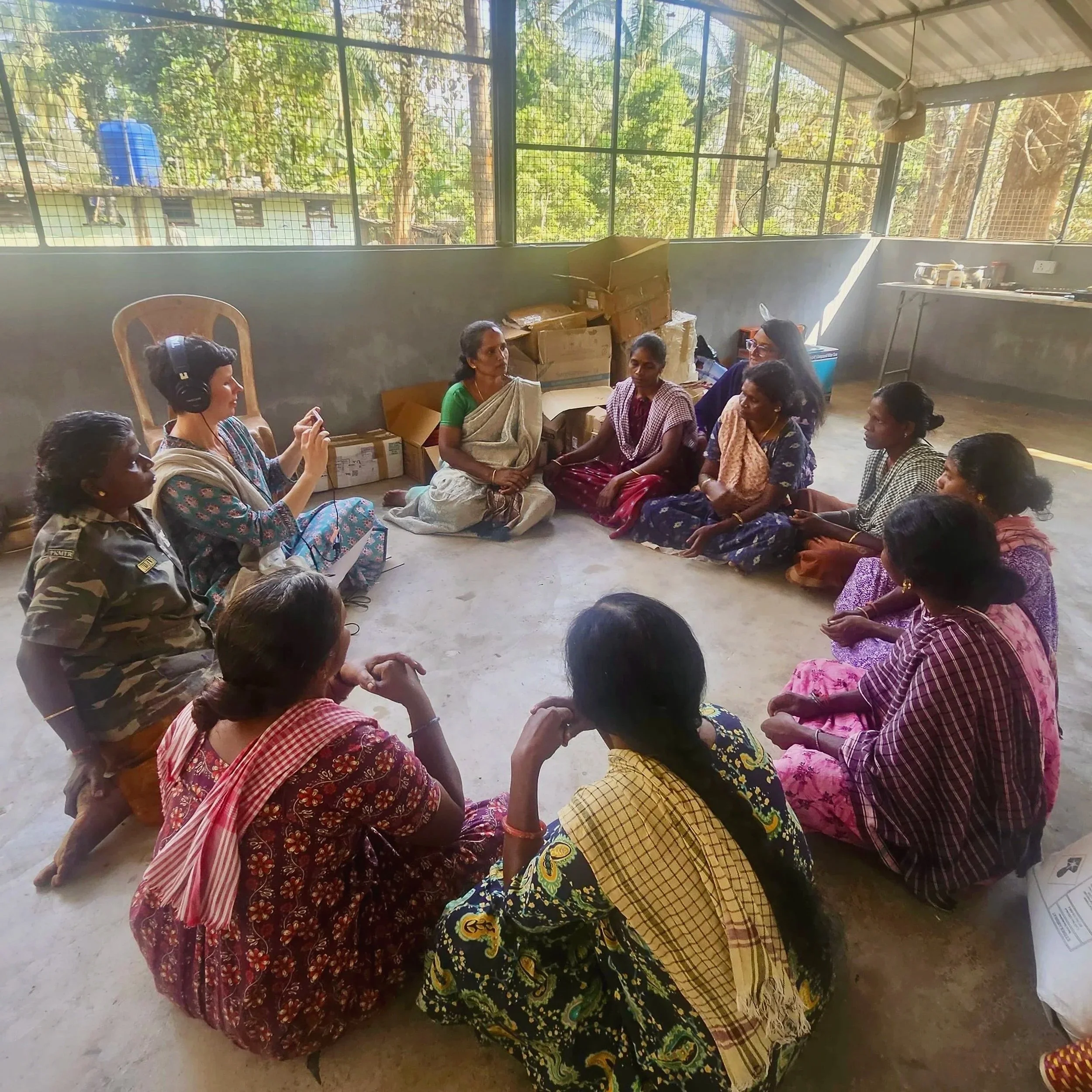
Official 15-day government-sanctioned field visit across three regions of Kerala, conducted with permission from the Government of Kerala; formal and informal interviews with women participants, NHG members, organizational staff, and state mission leaders; multi-site immersion across agricultural, enterprise, social development, and women's empowerment program domains; observation of a state-level Kudumbashree event; network observation through visits to independent women's cooperatives and organizations in surrounding areas; photo and video documentation; interview coding for cross-site comparative analysis
Ethical Approach:
Fieldwork guided by a trauma-informed, care-based, non-extractive ethic emphasizing consent, collective structures, and community benefit
***Community Contribution / Post-Visit: Invited by Kudumbashree to serve as Featured Plenary Speaker at the Women's Empowerment Congress Kerala — a statewide international strategic-planning conference in honor of International Women's Day, March 2026.
OVERVIEW
India is organized by states. Women in the state of Kerala, located in the southwest corner of the country, have markedly different levels of wellbeing than women in other Indian states. Women in Kerala experience higher levels of safety, literacy, political representation, and access to earning opportunities.
A central driver of this difference is Kudumbashree—a statewide infrastructure designed to support women. Supported by both state and federal funding, the program has operated continuously for nearly 30 years, regardless of political leadership. It is unique in its scale and consistency.
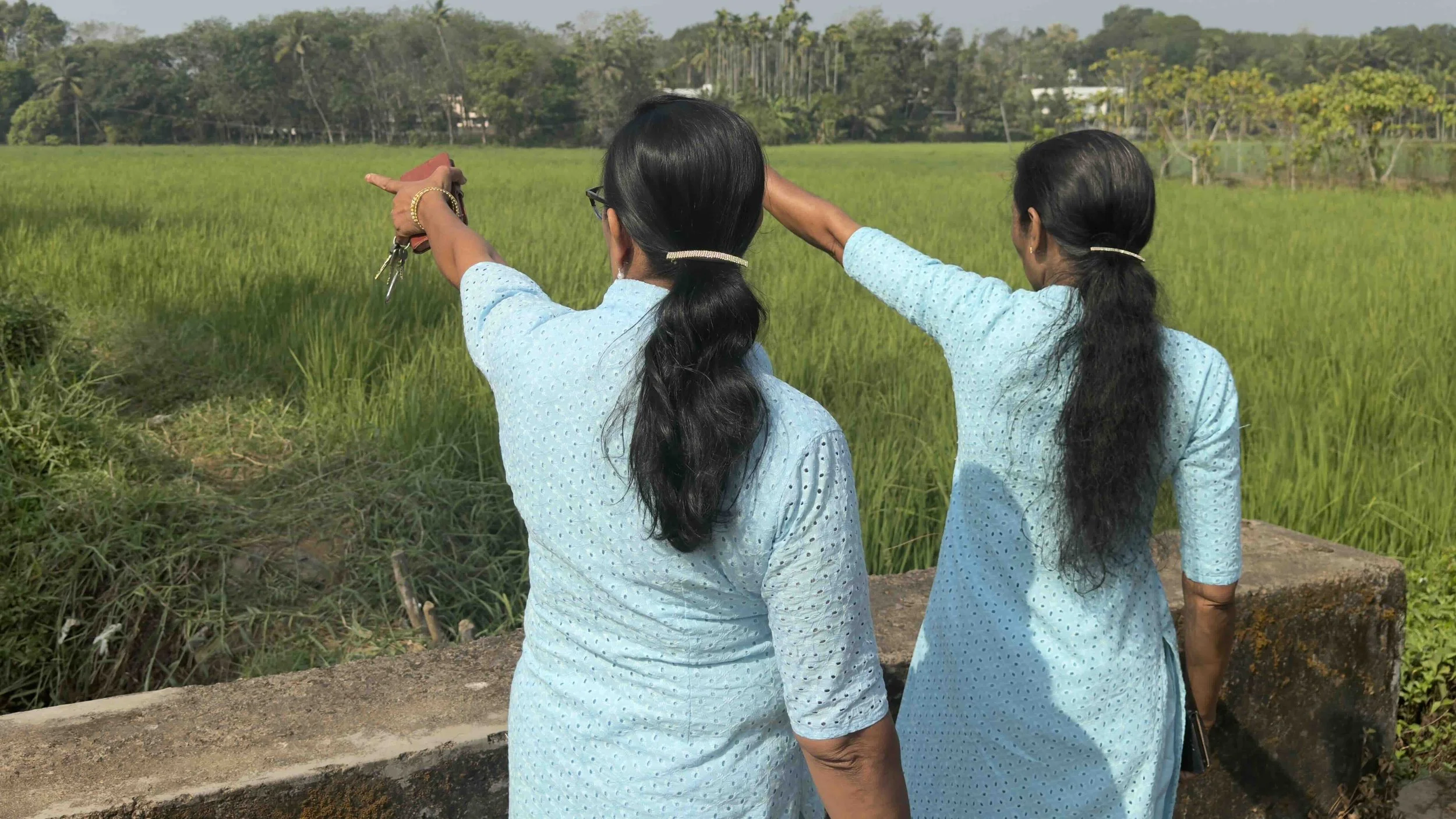
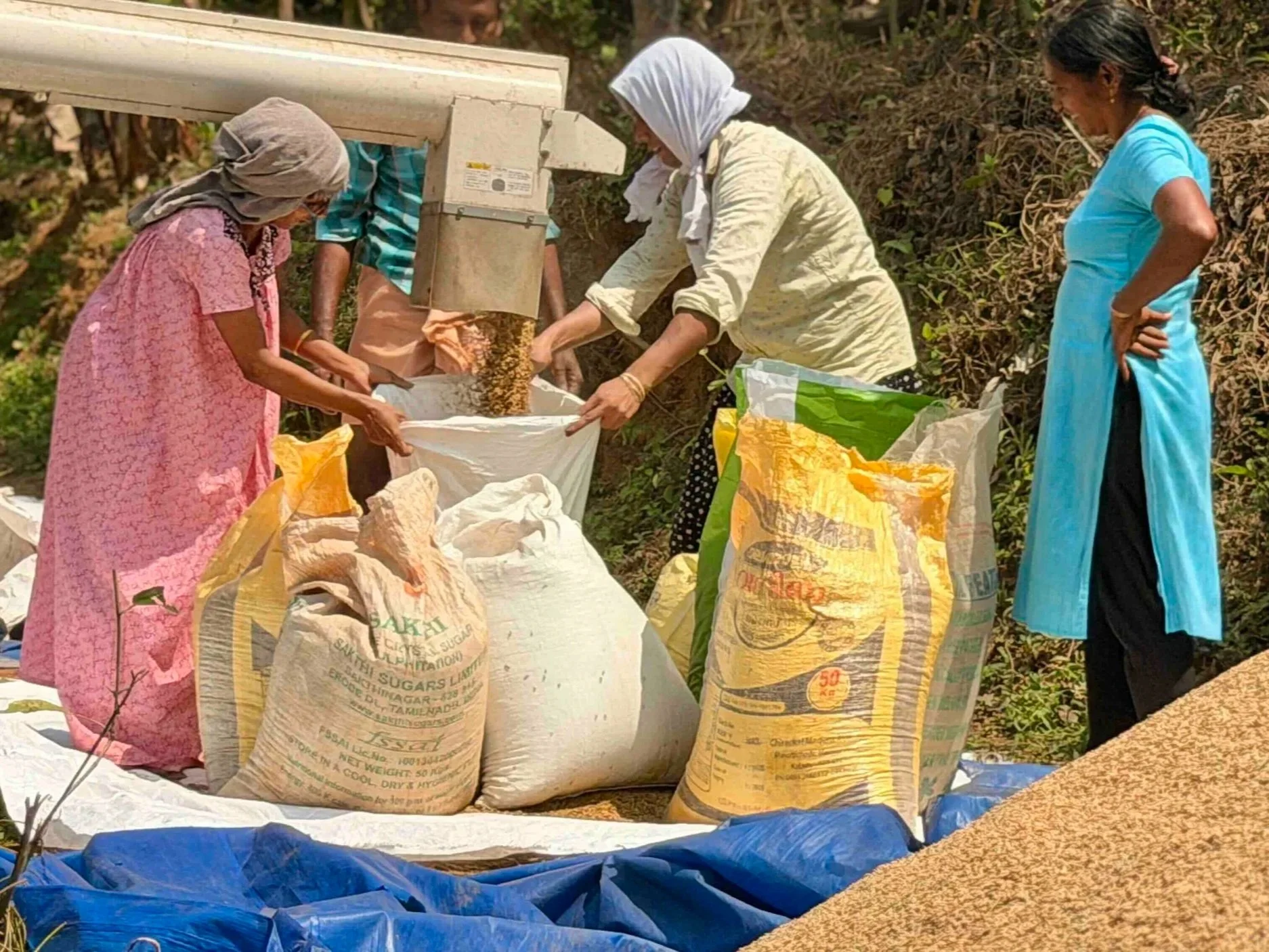
I spent 15 days in Kerala conducting an official field visit focused on the agricultural vertical of Kudumbashree. During that time, I met with nearly 1,000 women across multiple regions, observing both formal program structures and everyday participation.
To learn more about how Kudumbashree is structured, please see this February 22, 2026 article from my Substack newsletter Women in Motion.
After I returned to the States, Kudumbashree Mission sponsored Women Empowerment Congress 2026, a two-day international conference in honor of International Women’s Day. The focus was strategic planning. I was asked to serve as a Featured Speaker during the Plenary Session and speak to my post-visit observations and insights, as well as my suggestions for areas of focus.
Key Insights:
*Unless otherwise noted, these findings relate to the agricultural vertical of Kudumbashree. Agriculture is one of 11 verticals within the Kudumbashree Mission.
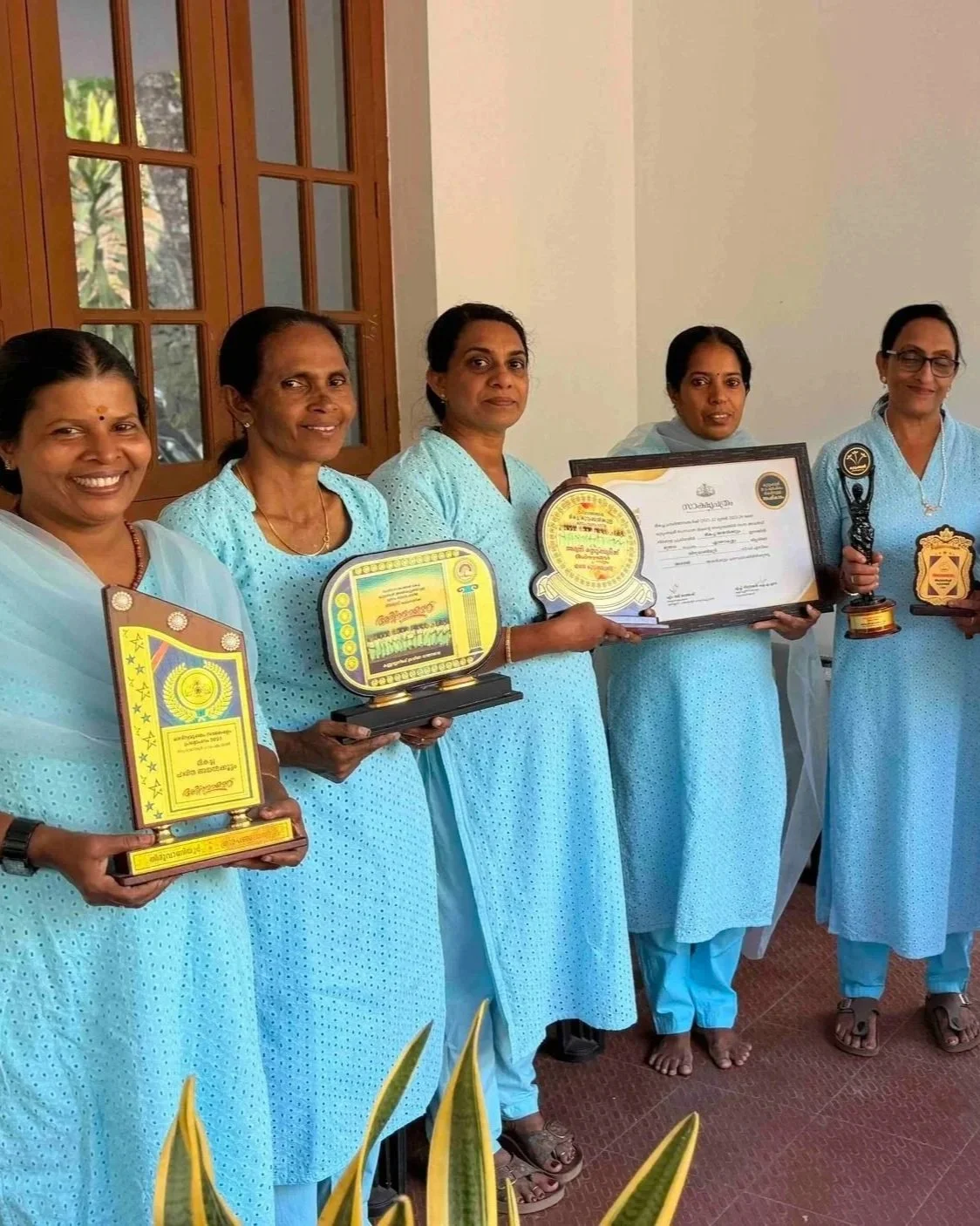
Collective Action: Collective action is the foundation of Kudumbashree. Women opt into the program and organize into Neighborhood Groups, which function as both economic units and systems of ongoing social and emotional support. Within these groups, women choose how they participate—whether through farming, production, or other activities. Labor, profits, and risk are shared, creating a level of financial protection while enabling women to generate income within a collective structure. This organization extends into civic life. Collective advocacy has contributed to increased political participation and representation, linking economic activity with a broader public voice.
Scale: Kudumbashree scales through a three-tiered, democratic system. Neighborhood Groups elect representatives to Area Development Societies, which in turn elect representatives to Community Development Societies. This structure creates a pathway from local participation to leadership, giving women direct experience in governance while expanding the program’s reach. Participation at one level connects to influence at another. At the same time, investments in training, shared resources, and market access allow women to grow their economic activities beyond local contexts. Support from other program verticals helps connect their work to regional, state, and global markets.
Systemic Impact: Kudumbashree’s impact operates across economic and social systems. Women have access to multiple sources of financing, including internal group lending and external banking, increasing their ability to respond to both personal and collective needs. Economic participation is accompanied by shifts in household dynamics, as income and awareness of rights influence decision-making. Many women maintain independent financial access, strengthening their long-term stability. The structure of the program also integrates care, organizing work in ways that support family responsibilities. At the community level, collective resources are often used to meet shared needs, reinforcing the connection between economic activity and social wellbeing.
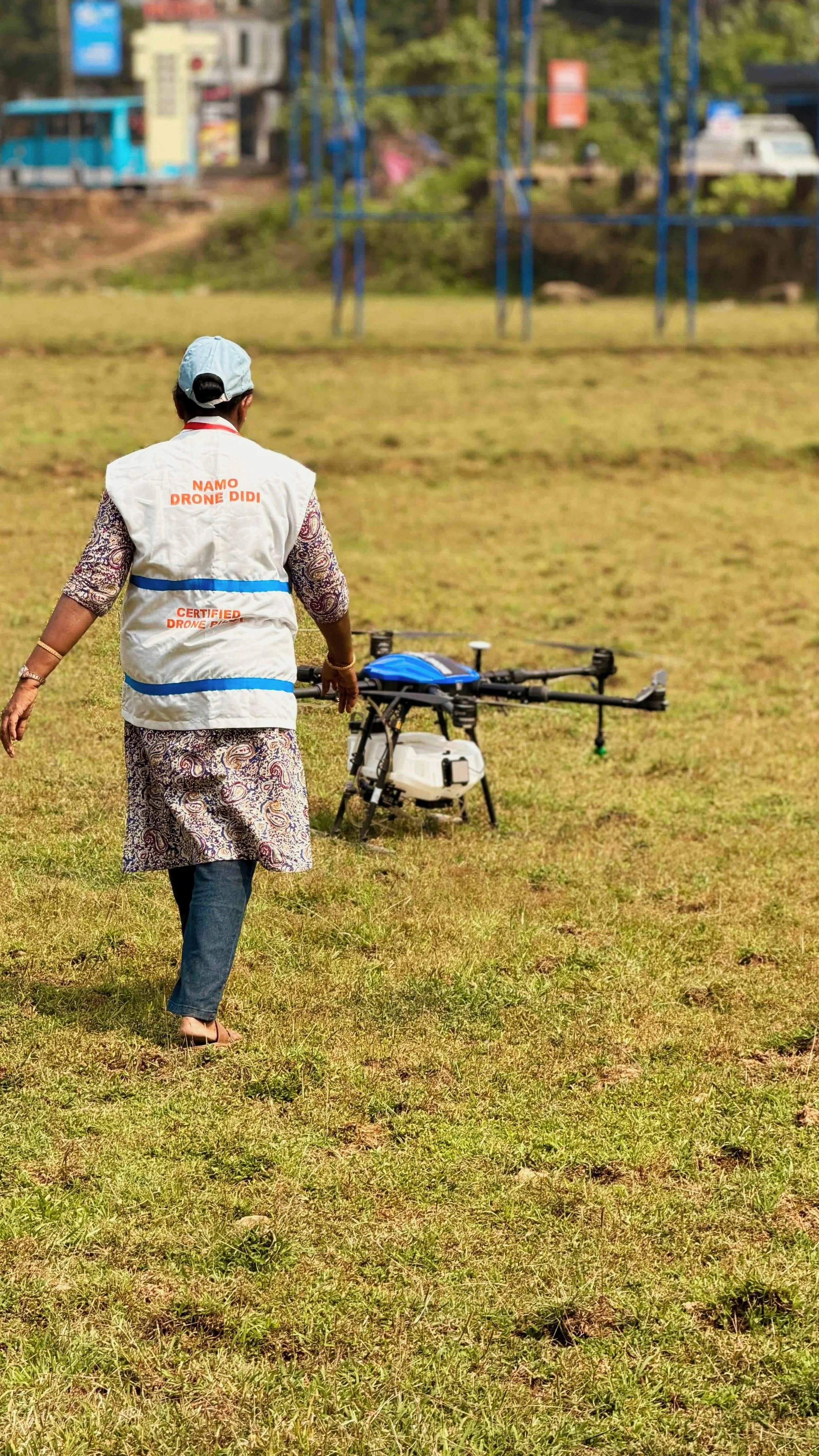
“The average woman in this area earns 500 rupees a day. As a certified drone pilot, she can earn 700 rupees in half an hour—and through her work, she is helping other women fertilize their fields more efficiently.”
Dr. S. Shanavas, State Programme Officer (Farm Livelihood), Kudumbashree Mission, Kerala