West Virginia Women Work
A workforce program creating pathways for women to careers in construction and the skilled trades.
Fieldwork Approach:
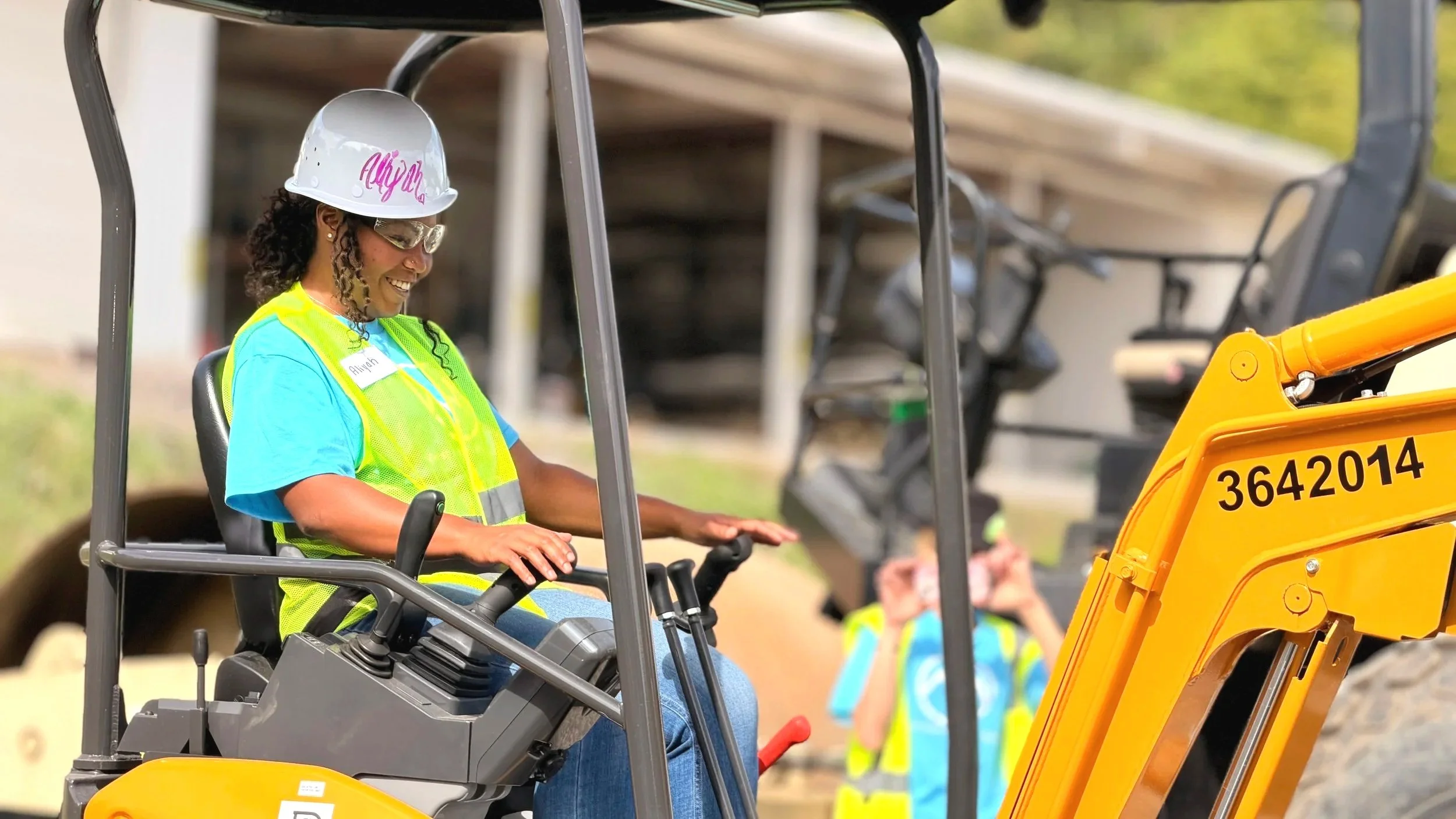
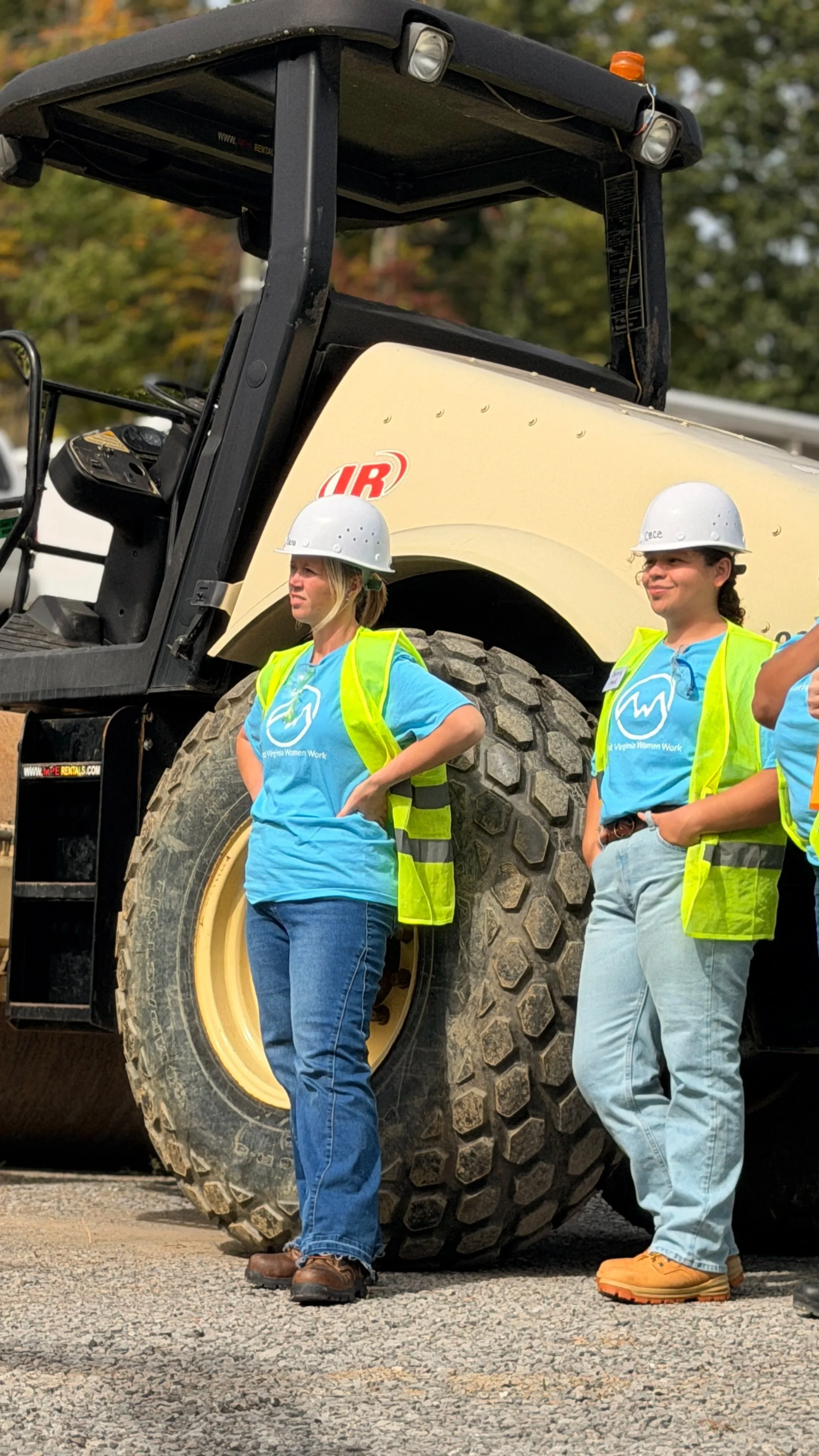
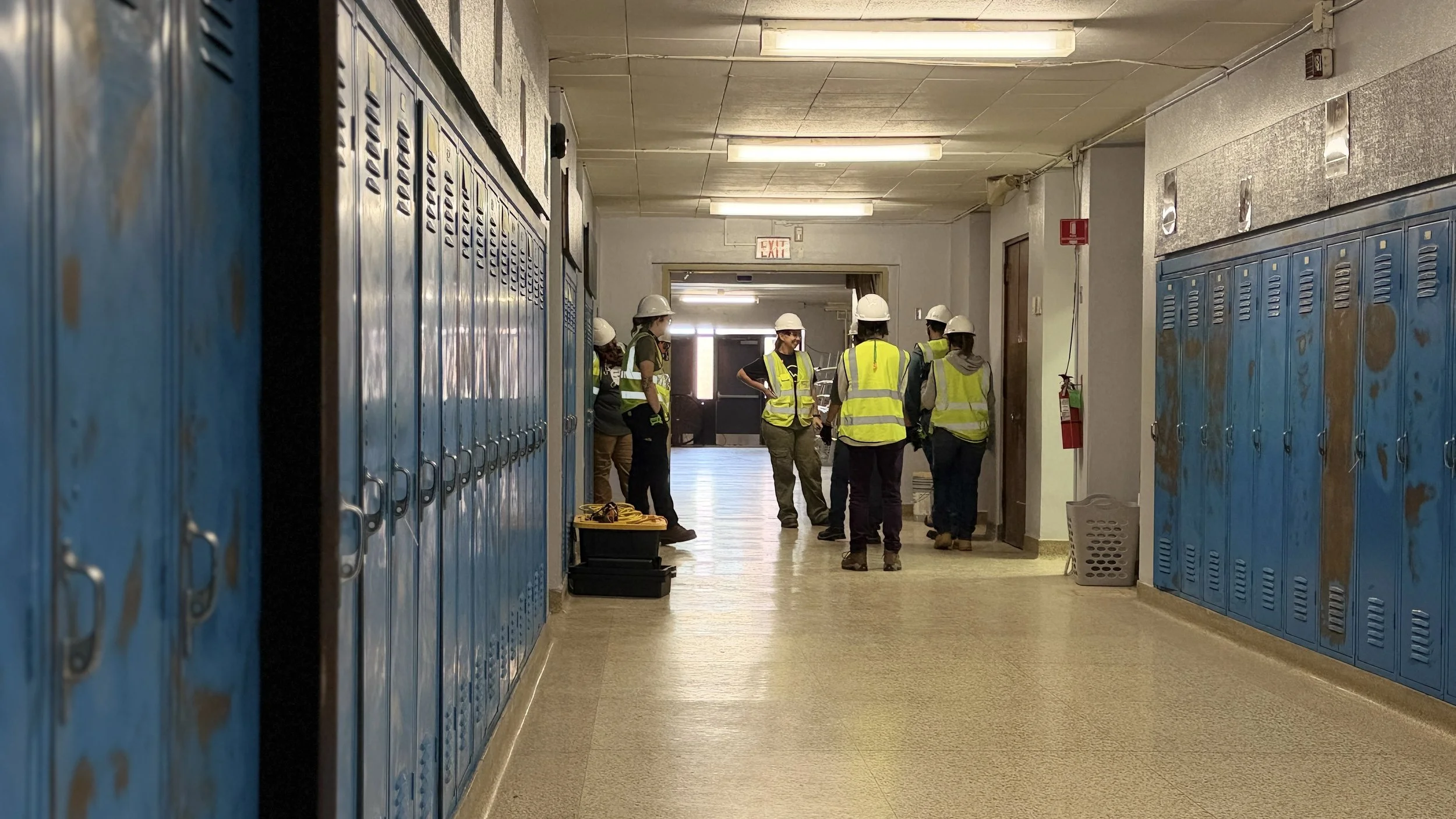
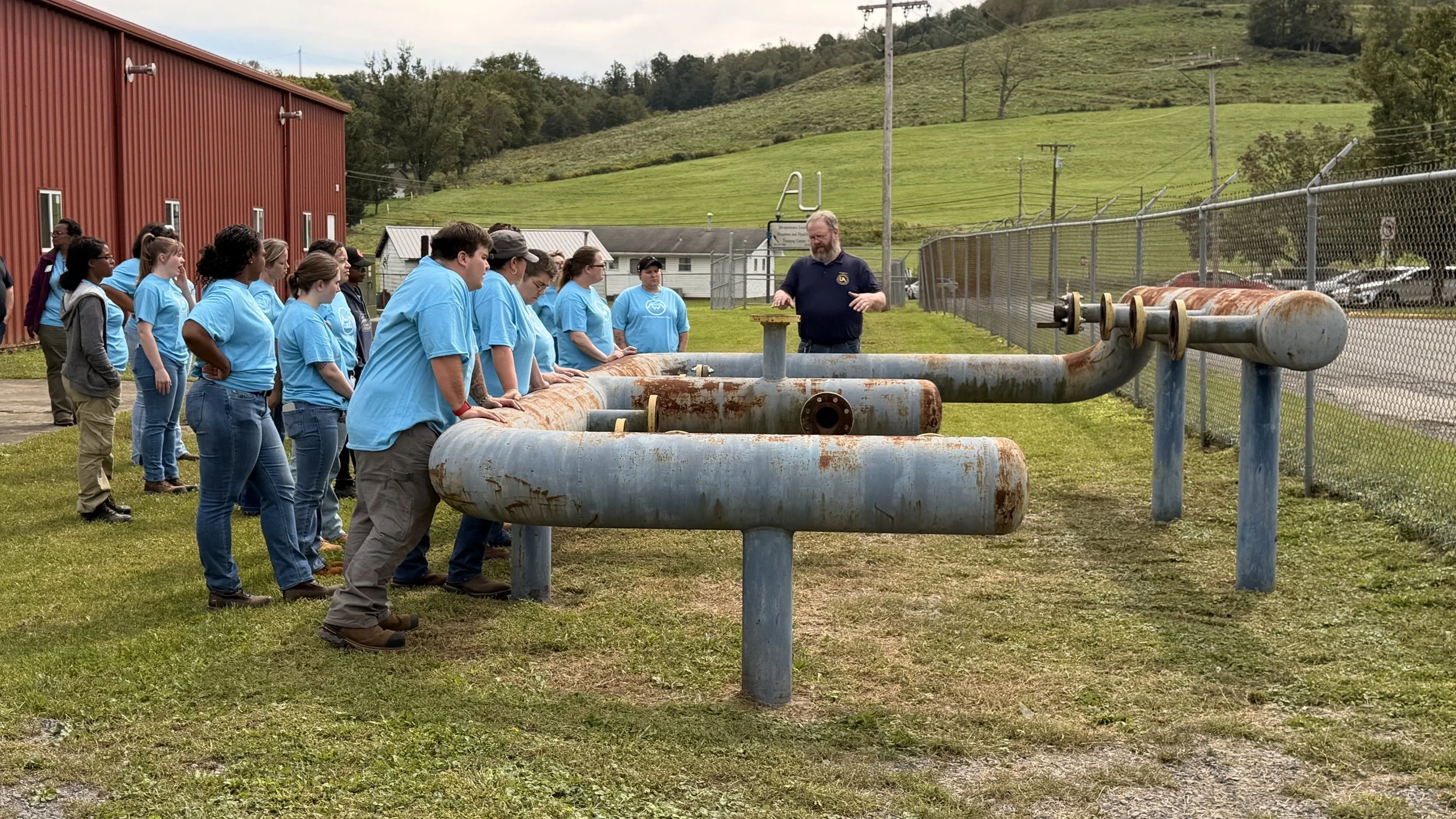
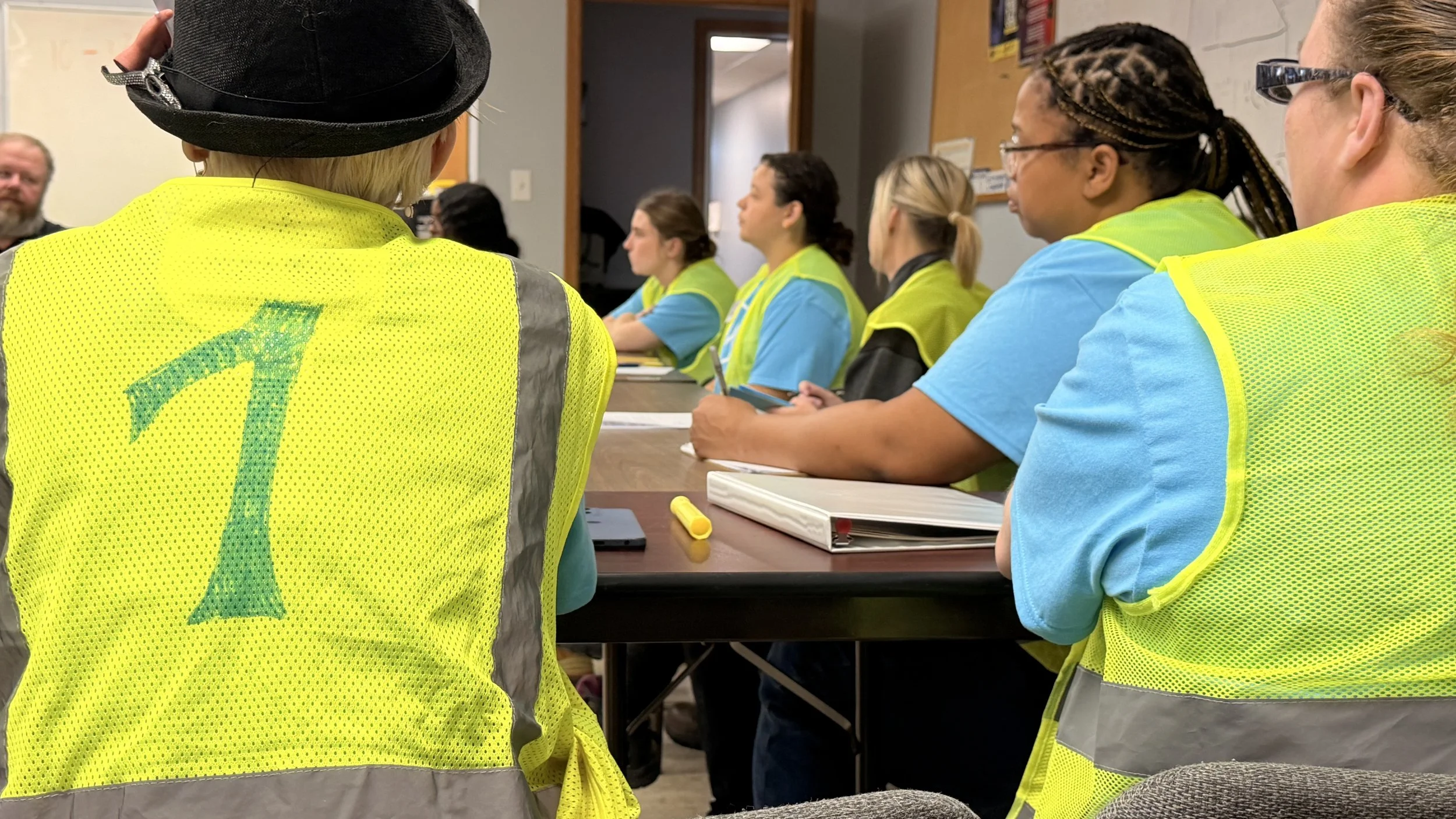
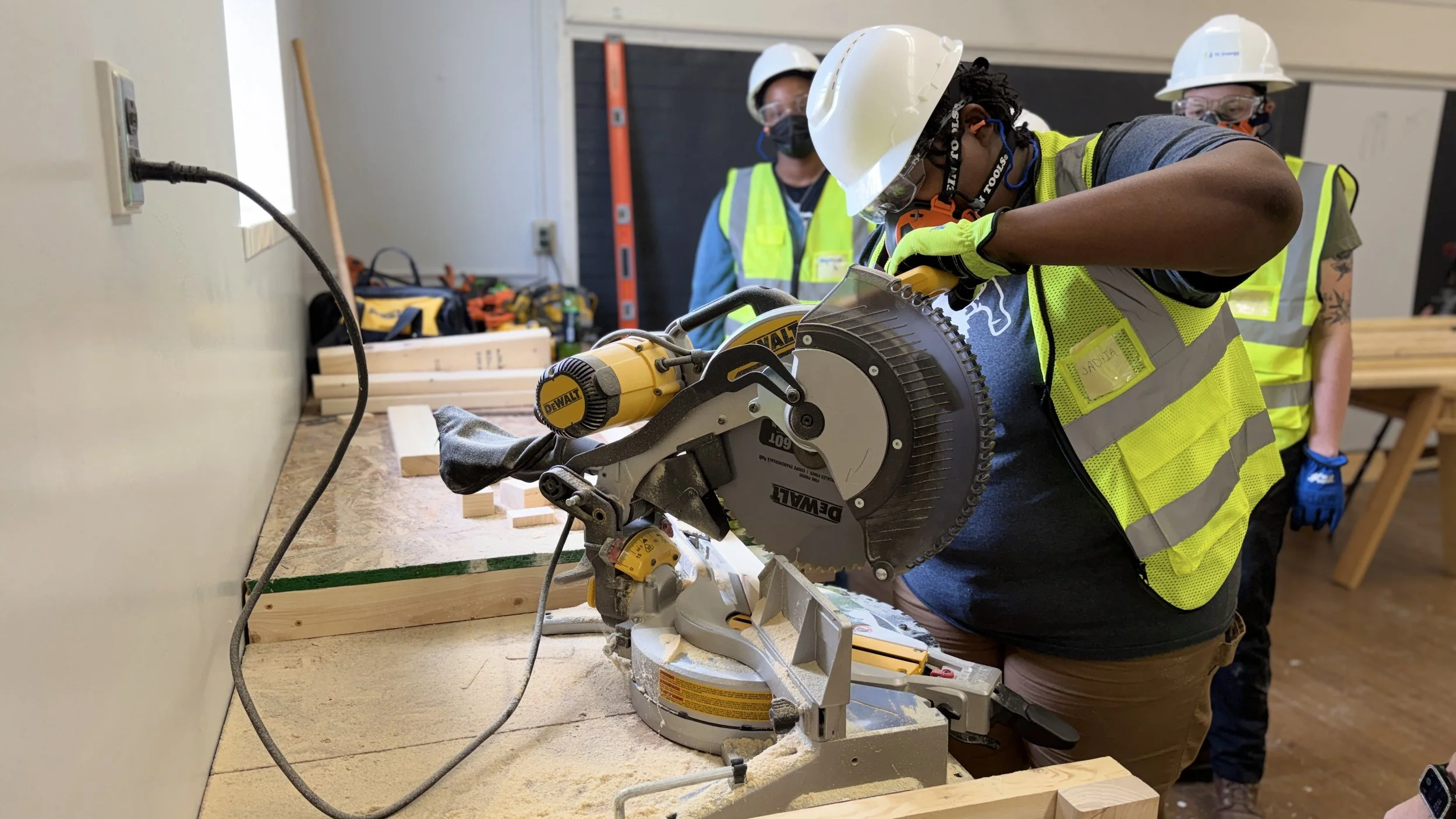
Interviews with the executive director and program participants; observation and filming of classroom and shop instruction with two cohorts; participation in hands-on equipment lessons; observation of a career-exposure visit to a union apprentice training center and an equipment rental yard; facility tours at two program sites; debrief with the executive director; informal conversations in a flood-affected community; review of state labor and demographic data; photo and video documentation.
Ethical Approach:
Fieldwork guided by a trauma-informed, care-based, non-extractive ethic emphasizing consent, collective structures, and community benefit.
Location \ Sites Visited:
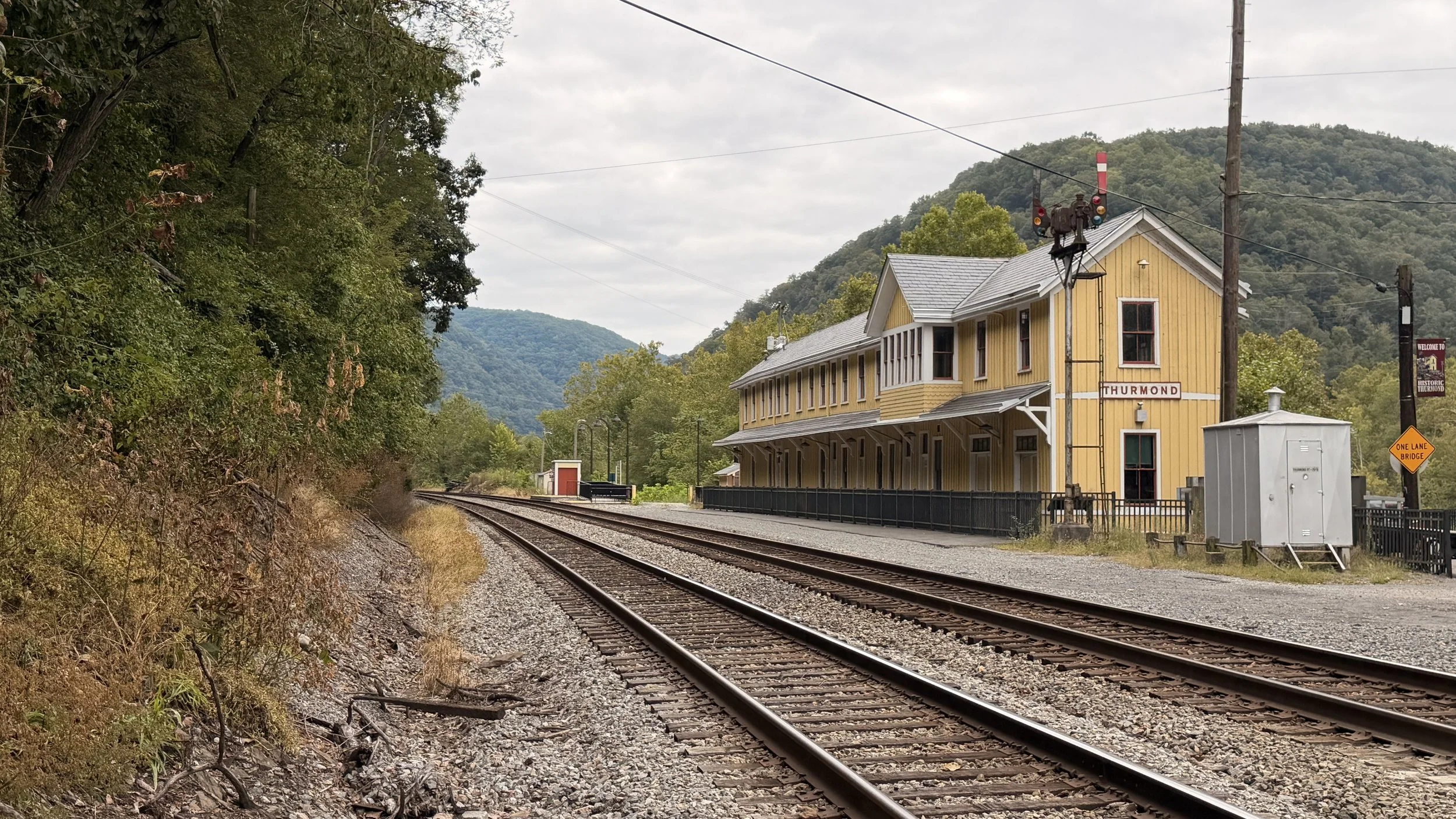
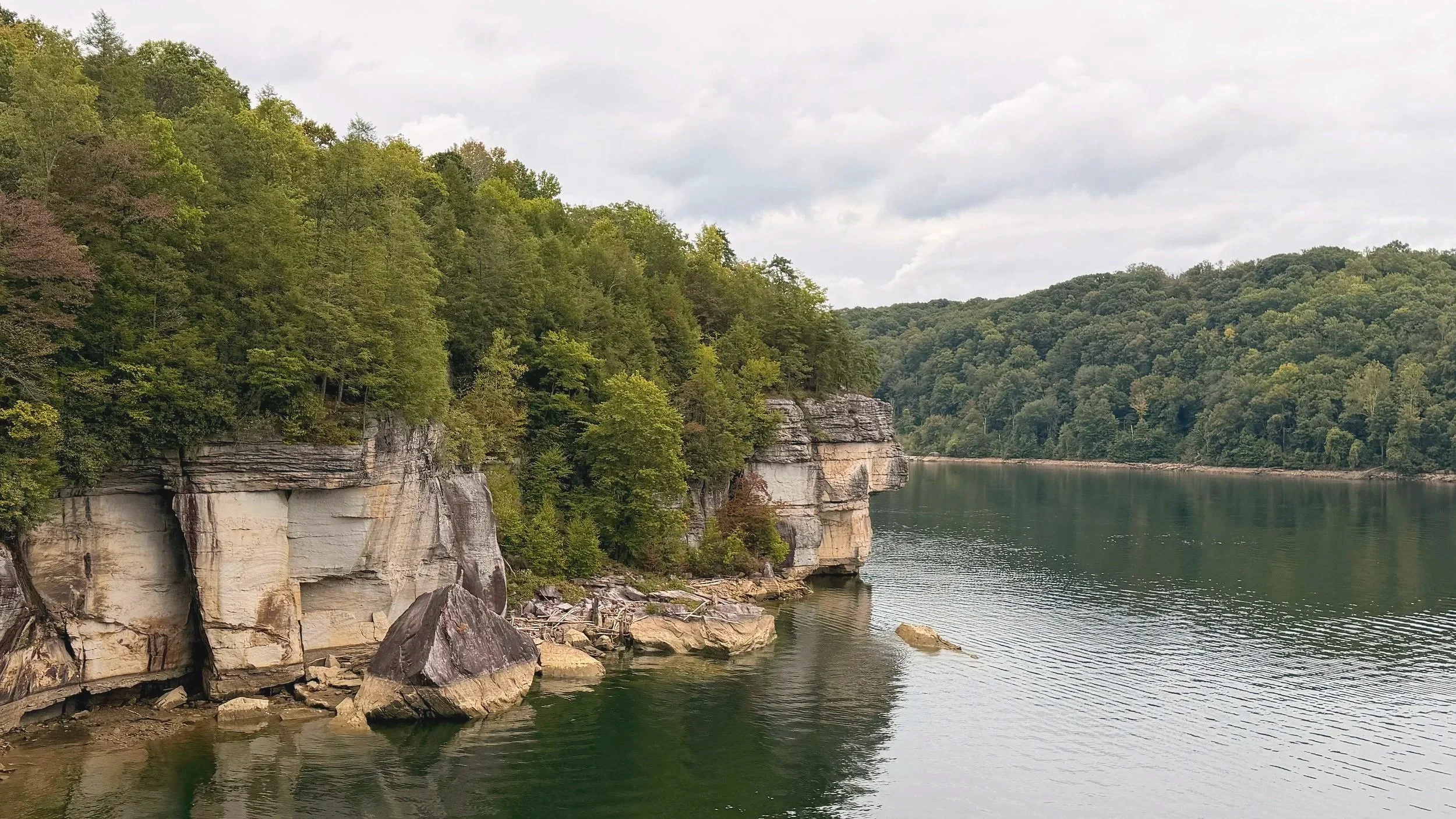
Dunbar, WV | West Virginia Women Work Step-Up for Women training site, Kanawha Valley | Morgantown, WV | Morgantown Local 152 Plumbers and Pipefitters Apprentice Training Center | MP & E Rentals | Fairmont, WV | West Virginia Women Work Fairmont office | Weston, WV | New River Gorge National Park and Preserve | Thurmond, WV | Summersville Lake State Park
Fieldwork Status:
Fieldwork Complete/ September 28 – October 1, 2026
Model:
Trades & Workforce
Key Organizations / People:
Carol Phillips, Executive Director, West Virginia Women Work | West Virginia Women Work staff and instructors | Morgantown Local 152 Plumbers and Pipefitters Apprentice Training Center staff and instructors | MP & E Rentals staff and instructors
Focus Areas:
Women's entry into skilled trades and registered apprenticeships; cohort and alumnae networks; childcare and transportation as barriers to trades work; workwear and gear access; rural access to health information; disaster recovery and rebuilding labor; union and non-union pathways.
OVERVIEW
West Virginia Women Work (WVWW) creates pathways for women into high-paying careers in the skilled trades. This women-led nonprofit, based in Morgantown and founded in 2000, offers tuition-free training through its Step Up for Women program.
In a state with the lowest workforce participation in the country, that work is life altering. In recent years, just over half of West Virginia women were working or looking for work. Of those not in the labor force and not retired, more than half of that demographic says they are caring for home and family. Statewide, about 66,500 women are not doing paid work for that reason, and the unpaid care they provide is worth just under $1.6 billion a year.
I won’t sugar-coat the rest. West Virginia is among the hardest states in the country for working women. Women earn less than men at every wage level. Schools and child care, the industries that employ the most women, pay well below average, and women hold the lowest share of legislative seats of any state, which makes change hard to reach.
Women are working hard, in and outside the home, caring for family, and stepping up to run for office. What is missing is infrastructure and support. Carol Phillips, WVWW’s executive director, described the gaps: child care deserts, limited public transportation and rideshare options, uneven access to health education, and rural school closures that leave children traveling farther and parents managing the burden. And recent federal funding cuts now threaten the recovery programs behind the state’s progress on the opioid epidemic, which makes it harder for everyone to work and thrive.
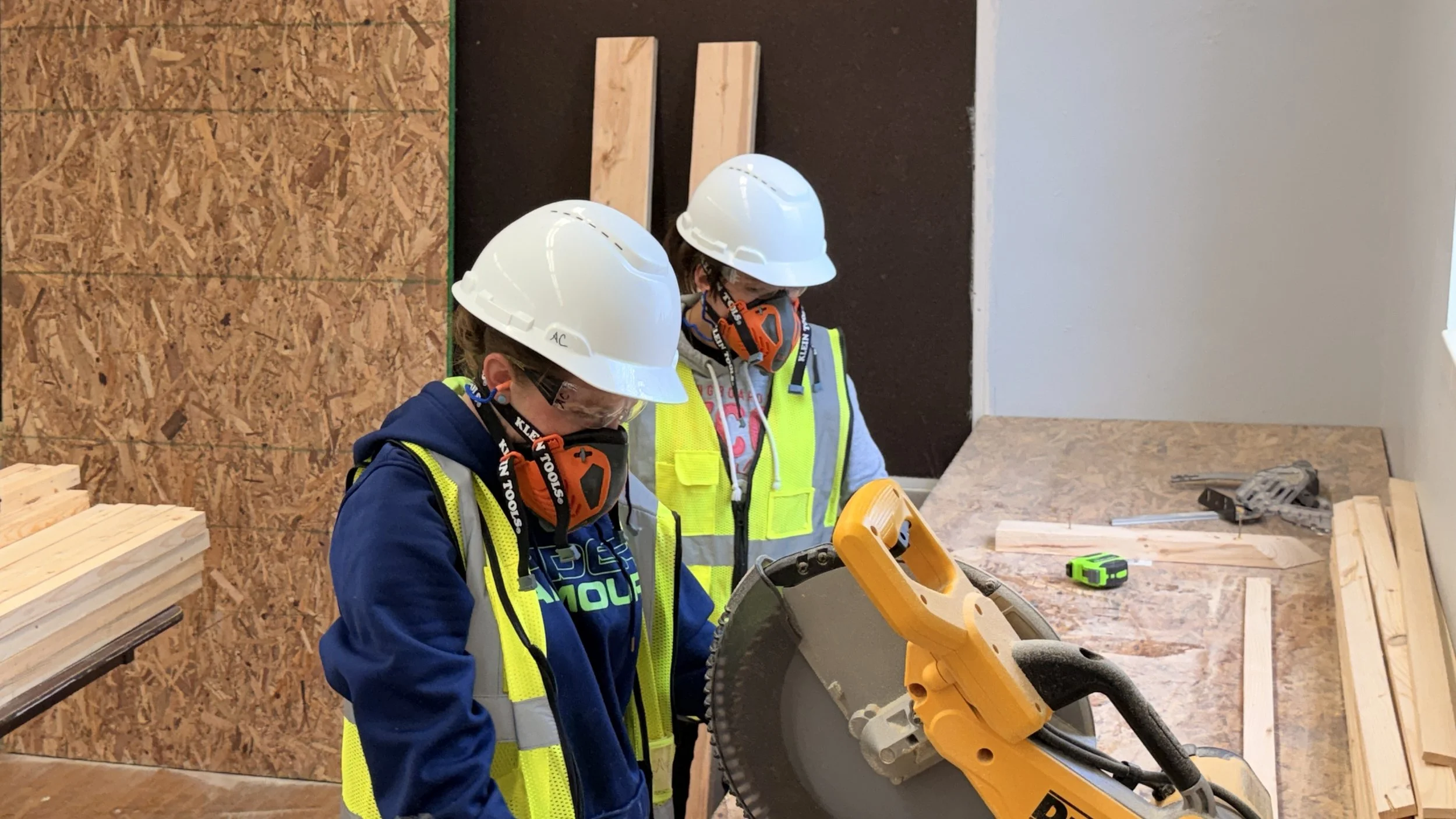
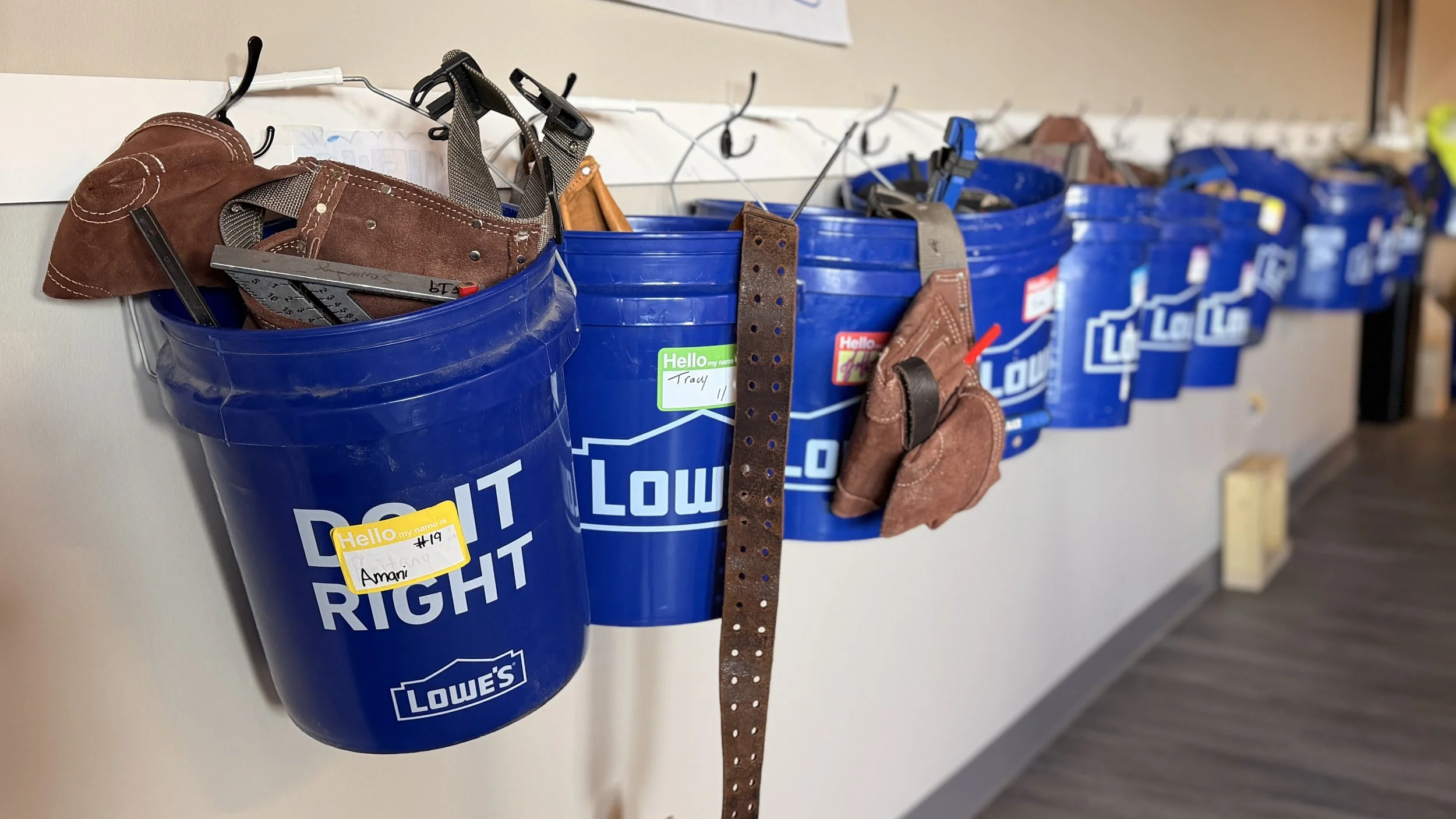
Women built WVWW to move women forward, and they designed a collective experience that offers both training and support. Women train in cohorts, with classroom time and hands-on work. The program also tackles the barriers that end many attempts at program completion with things such as required boots and workwear, mileage reimbursement, rideshare and bus fare, car-repair classes, and healthcare support. After graduation, an alumnae network keeps women mentoring one another, sharing job leads, and maintaining an ongoing system of support.
Key Insights:
Collective Action: Collective action at WVWW works on several levels. It starts with the cohort. Women learn together, and after graduation, an alumnae network carries it forward. Alumnae mentor one another, share job leads, and talk through the work, and WVWW surveys them at regular intervals. WVWW also partners with the Department of Public Health and other local organizations on health education and wrap-around support services. WVWW draws referrals from WIC offices, unemployment offices, and American Job Centers, and it is opening its building to other organizations to surround women with as much support as possible. Its executive director takes part in national tradeswomen networks, as well as a task force, and brings strategies home.
Scale: WVWW began in 2000 and has grown to include two locations in West Virginia, both with physical spaces for instruction, and two cohorts per year. The resources they can provide to women have expanded beyond trades-based training to meet the needs women have to manage day-to-day barriers like car repair, health matters, literacy support, workwear and supplies, and other things that will help ensure they can be successful in their first paid job. A mobile outreach effort has begun in recent years to expand marketing reach to areas hit hard by the opioid crisis, since unemployment and relapse are closely linked. WVWW staff are able to share information about training through these channels, connecting with women who otherwise wouldn’t learn about their program.
Systemic Impact: For women without a college degree, the trades offer higher pay and steady work in a state where the jobs women hold are among the lowest paid. Union-based leaders offering career exposure to the women in the cohort described paid apprenticeships with guaranteed raises every two years, pensions, annuities, and health benefits, and the skills they learn can move with them should they need to relocate. The training women are receiving in the trades is also helping to increase the number of individuals in the state who can respond to disaster-recovery efforts, as the trades-based skills are the ones initially needed.